



-202610121017596081271.jpg)


Download
iLearn application
Elevate Your Financial Knowledge with the
ICICI Direct iLearn App




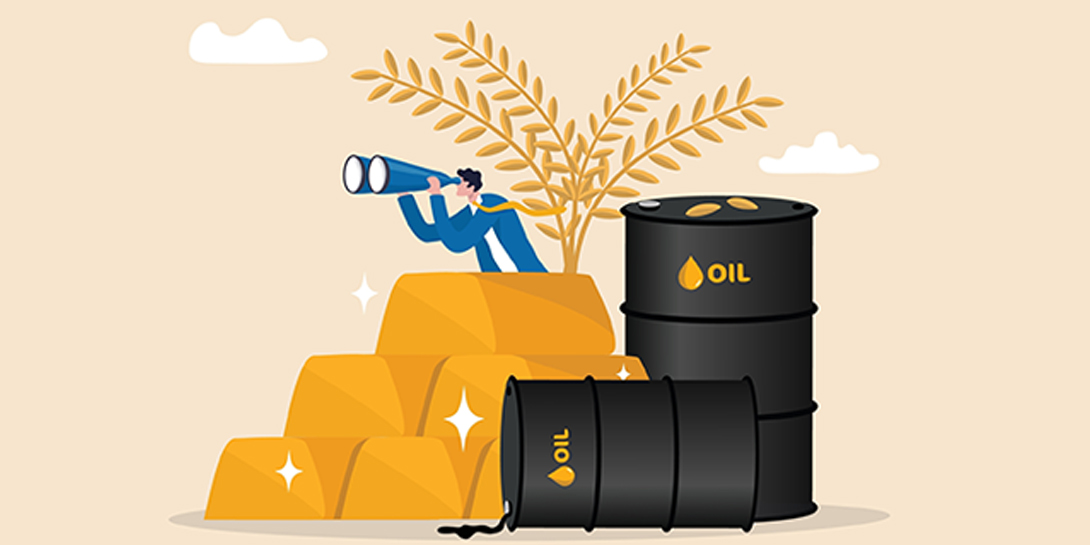
Whenever you buy any product or service, you are paying a tax for it, which will go to the government. The same applies to commodity trading also in the form of Commodity Transaction Tax (CTT). This tax was introduced in 2013-14 budget by Government of India. It came into force with effect from 1st July 2013. Commodity Transaction Tax (CTT) is similar to Securities Transaction Tax, which applies for trading in the stock market. Commodity transaction tax is a direct tax where you are paying this tax for each and every trade.
Commodity transaction tax is the tax levied on trading of commodity derivatives i.e., futures and options. This tax is applicable only for sellers of commodity derivatives and this tax is derived by the actual size of the contract.
This tax is applicable on non-agricultural commodities such as gold, silver, crude oil, natural gas, aluminium, copper, lead, nickel and zinc while agricultural commodities are exempted from this tax. Additional to Commodity Transaction Tax (CTT), Commodity derivatives also attract exchange transaction charges, SEBI charges, Goods and Services Tax (GST), and stamp duty from respective state governments where the investor is residing.
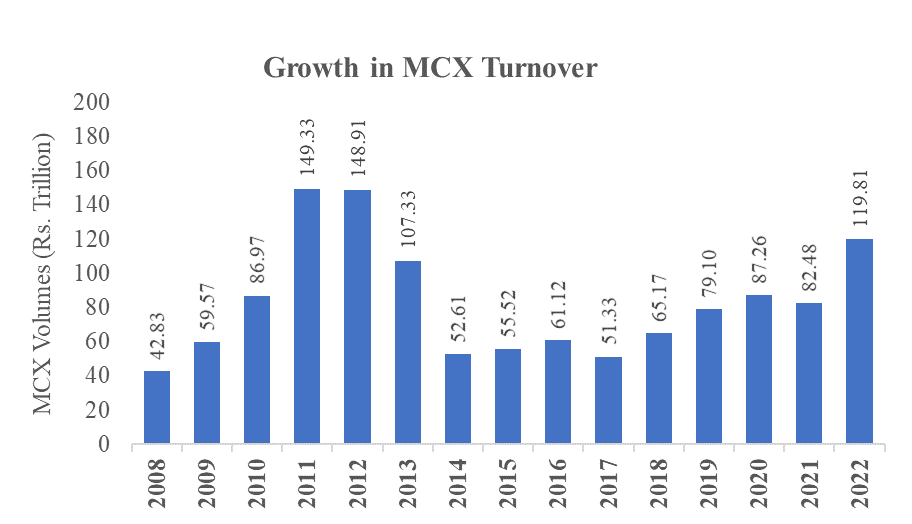
Source: Multi Commodity Exchange of India
CTT is largely applicable on sale of commodity transactions at the rate mentioned below.
|
Taxable commodity transaction |
Payable on |
Rate |
Payable by |
|
Sale of a commodity derivative (except exempted agricultural commodities as mentioned below) |
Price at which the commodity derivative is traded |
0.01 per cent |
Seller |
|
Sale of an option on commodity derivative |
The option premium |
0.05 per cent |
Seller |
|
Sale of an option on commodity derivative, where option is exercised |
The settlement price |
0.0001 per cent |
Purchaser |
Source: Multi Commodity Exchange of India
To know how CTT and all other applicable charges are calculated while trading Commodities, click here.
An investor should know about CTT and all other applicable charges before trading in Commodities. CTT is the largest component among all those applied charges. Commodity Futures and Options traders can benefit from trading with price movement covering brokerage, exchange transaction charges, SEBI charges, GST, CTT and stamp duty. Earlier, only futures were allowed in commodities and now, options and indices are performing well. Amongst futures, options and indices, options are attracting investors attention therefore the options volumes are growing rapidly exceeding the futures volumes.


Understand contango in commodity trading, how futures prices differ from spot prices, and how financing, storage and insurance costs influence commodity pricing.
 164 views
 1 minutes
 19 Oct 2026
Copper is a widely used base metal known for its electrical and thermal conductivity, strength, ductility and corrosion resistance. It is used across electrical wiring, construction, machinery, power infrastructure and several industrial applications.
380 views
2 minutes
09 Oct 2026
Natural Gas is a widely traded energy commodity used for electricity generation, industrial activity, heating and other applications. Its prices can react sharply to weather, supply and demand, inventories, global energy markets and geopolitical developments.
647 views
1 minutes
30 Sep 2026

Elevate Your Financial Knowledge with the
ICICI Direct iLearn App
Elevate Your Financial Knowledge with the
ICICI Direct iLearn App
