


Exchange Traded Funds (ETFs)
Functions like a Mutual Fund, Trades like a Stock
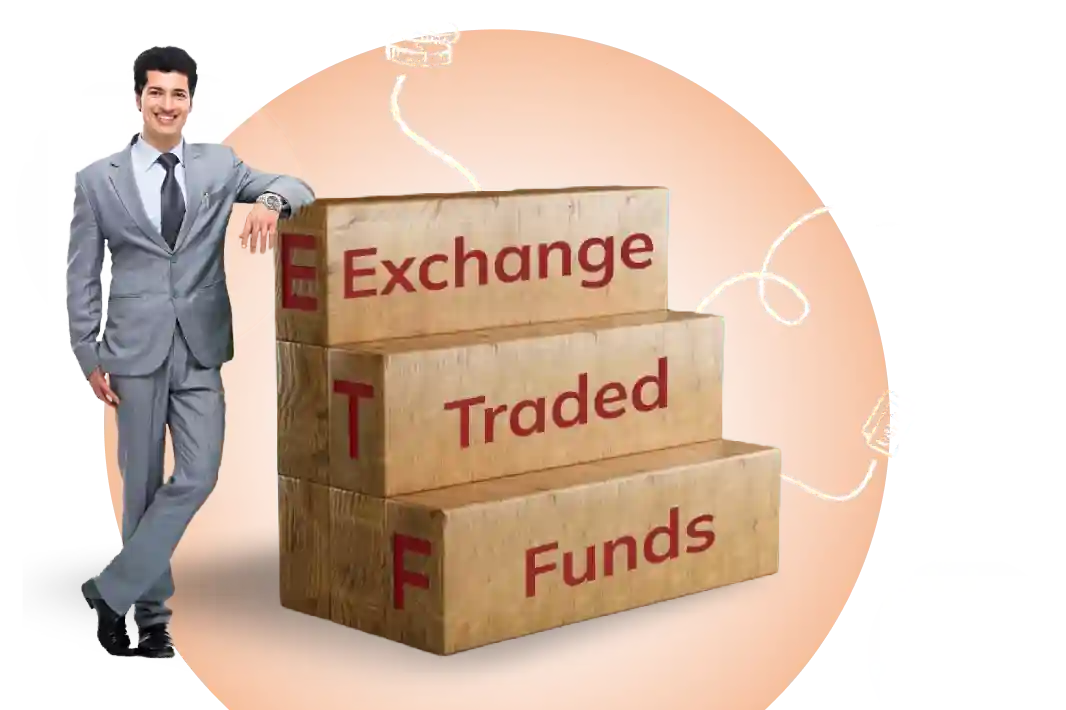
What are Exchange Traded Funds (ETFs)?
An ETF is a market-listed product that holds a basket of stocks. Instead of selecting individual companies, you can invest in an entire index, sector, theme and across asset classes. This makes ETFs an efficient way to achieve diversification, reduce concentration risk, and participate in long-term market trends. They trade on the stock exchange in real time, similar to individual shares, with prices changing through the day. You can buy or sell them during market hours using your trading account. Once purchased, they are stored in your Demat account along with your other investments.
Benefits of Investing in ETFs

Easy Portfolio Diversification
Get exposure to a wide range of stocks, bonds, or commodities with a single investment.

Low-Cost Investment
ETFs often cost less than traditional mutual funds due to lower expense ratios.

Flexibility & Variety
Choose from equity, debt, or gold to match your investment goals and risk profile.

Trade Anytime Like Stocks
Easily trade in ETFs during market hours at real-time prices as they are traded on stock exchanges.

Transparent Investing
Most ETFs disclose their holdings daily, so you have a clear picture about your investments.
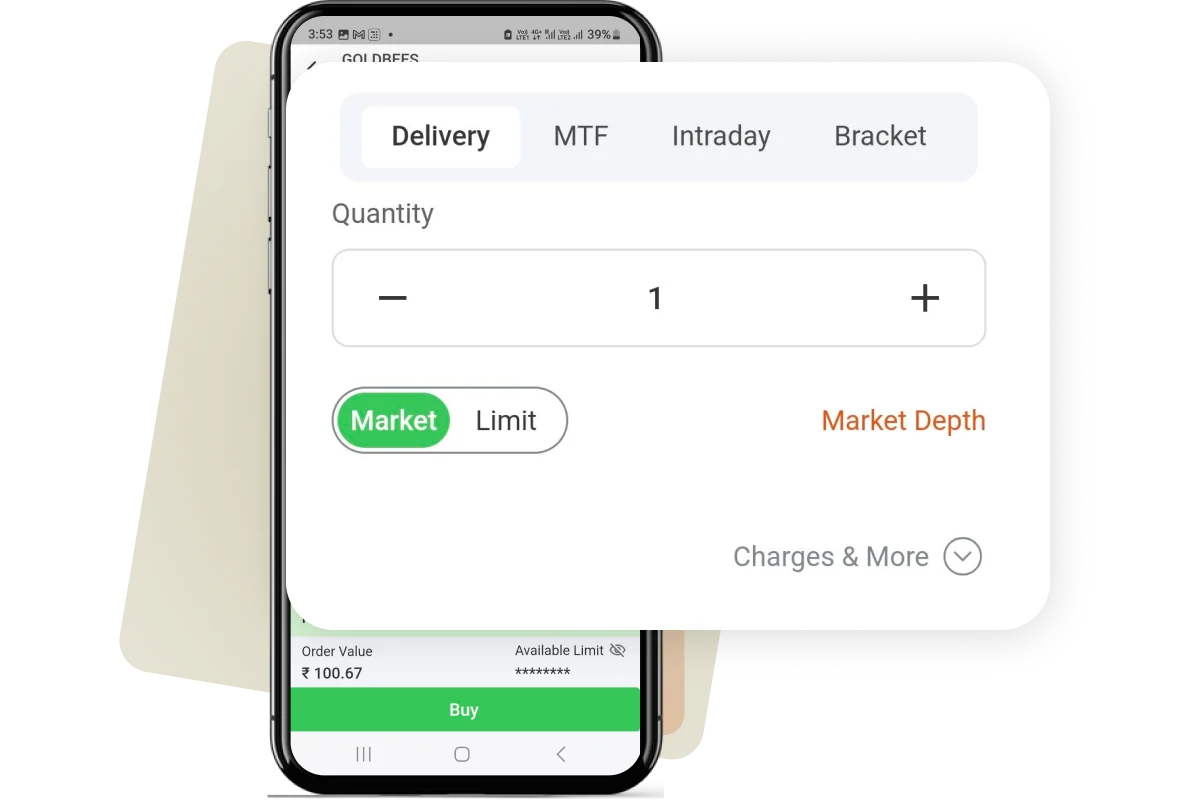
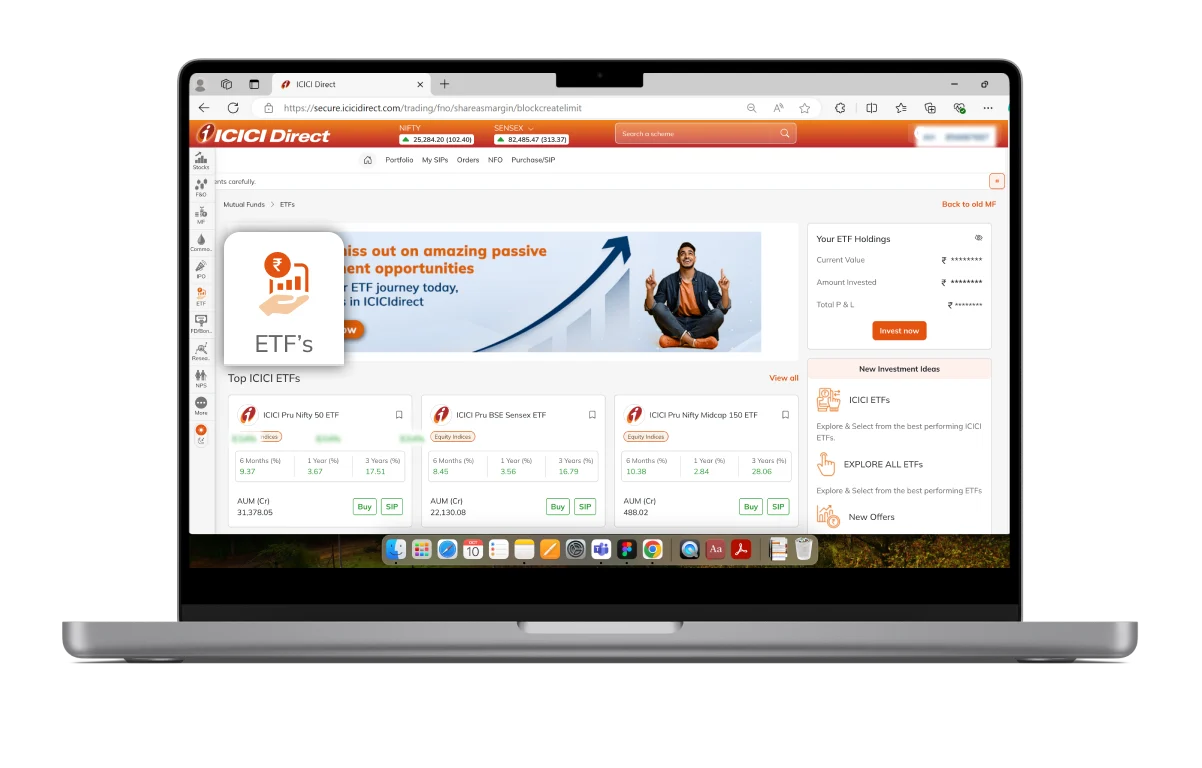
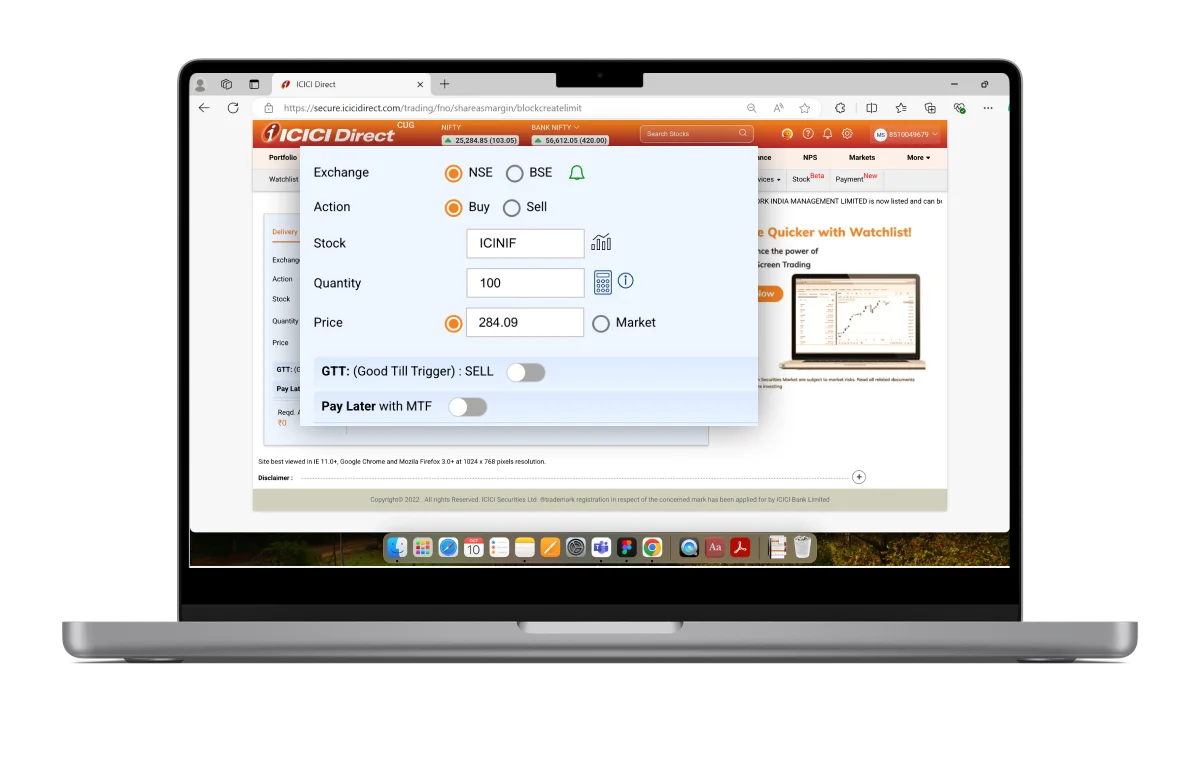
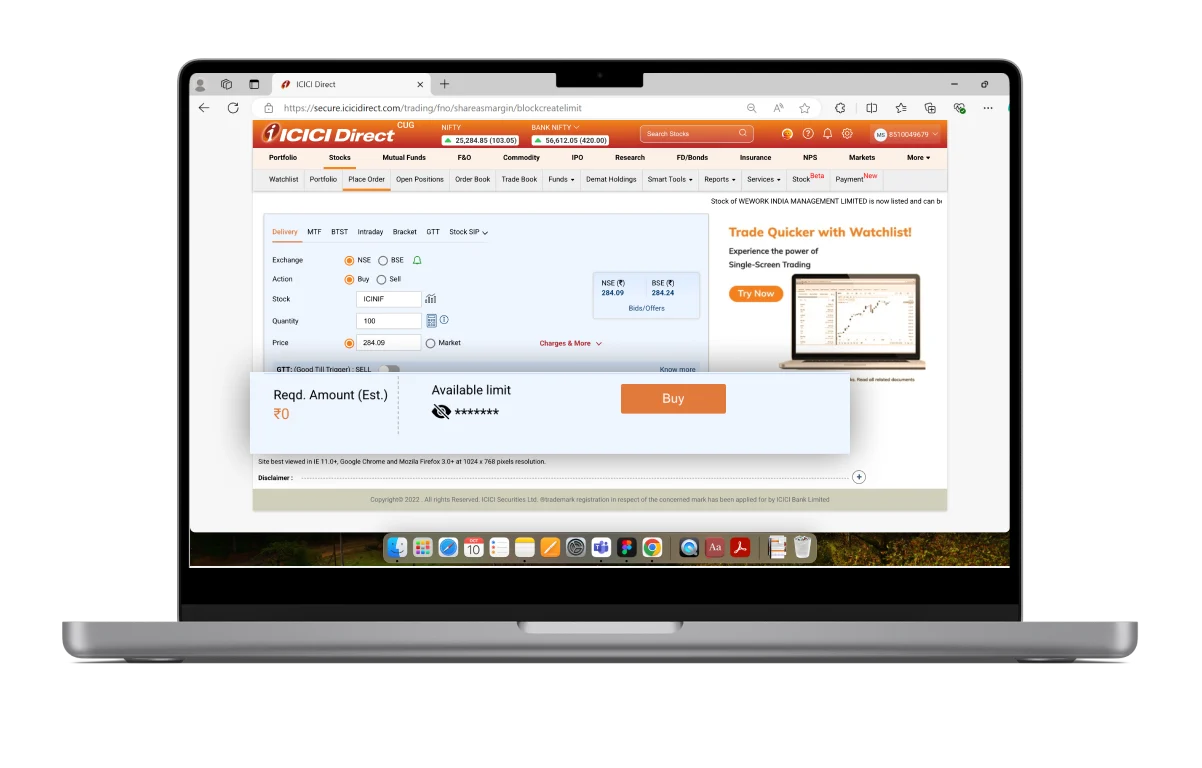
How to Invest in ETFs with ICICI Direct?
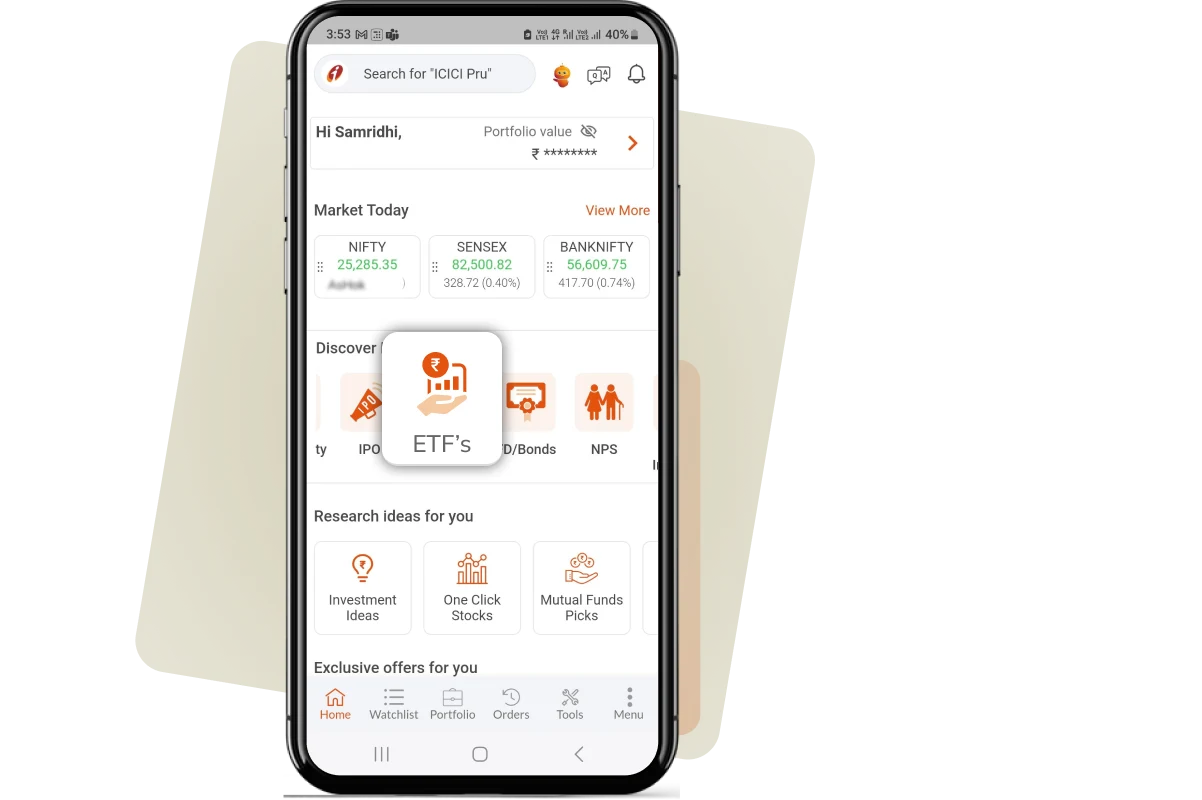

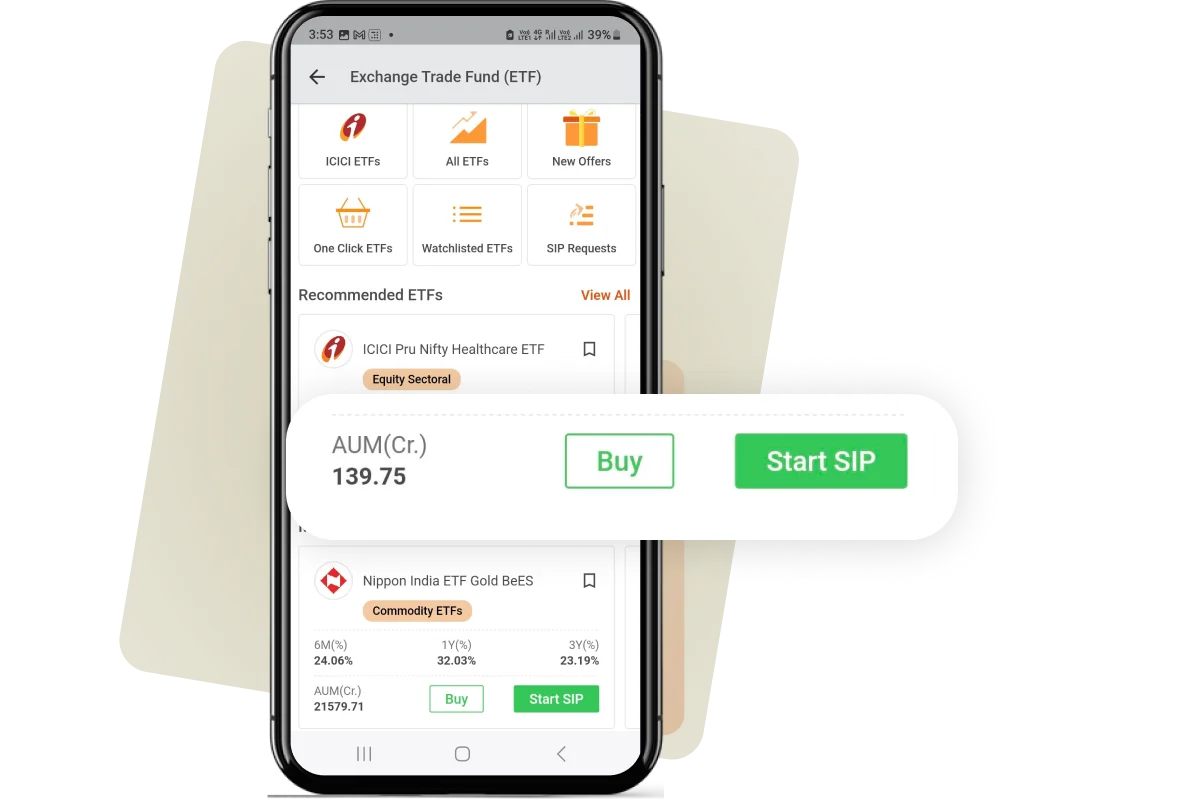
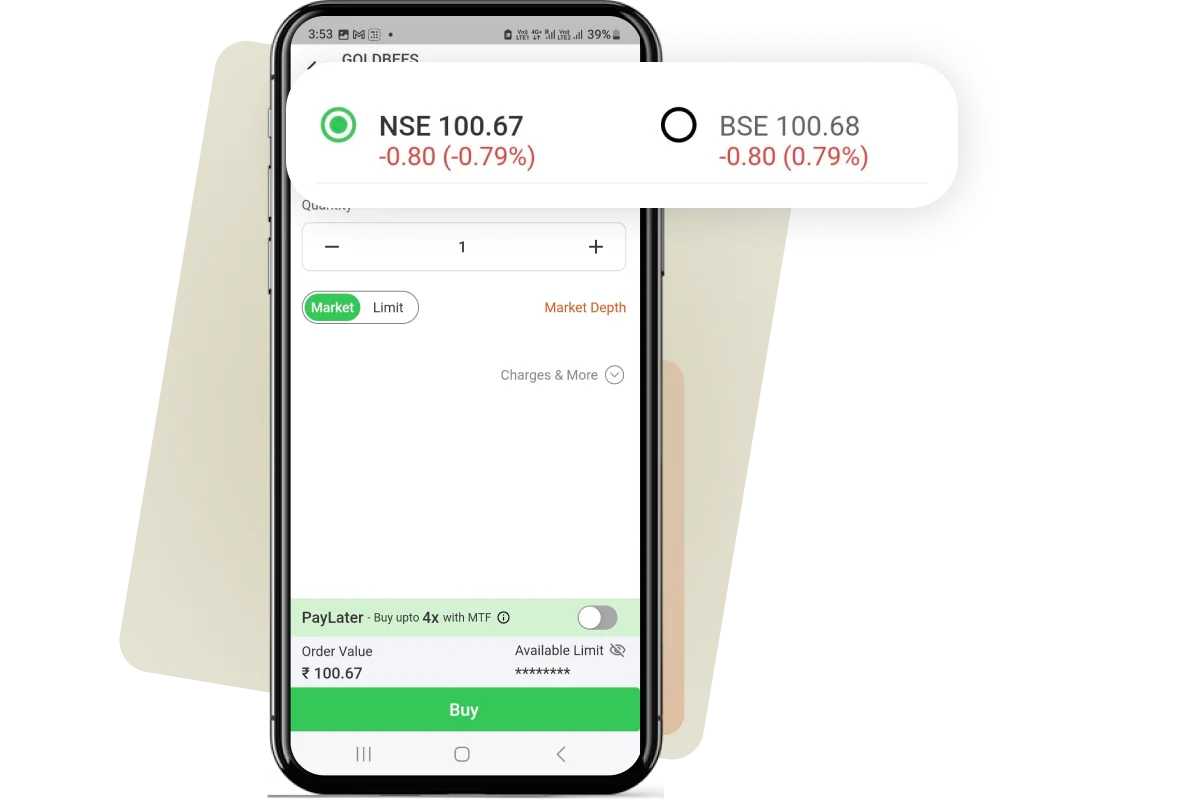



One Click ETF Portfolios
Invest in diversified portfolios of ETFs and stocks with just one click. Choose and manage ready-made ETF baskets on a single platform.
Frequently Asked Questions
In India, ETFs are bought and sold on the stock exchange just like company shares, requiring a Demat and trading account. They are typically passively managed, holding a basket of securities to mirror an index (e.g., Nifty 50), offering low-cost diversification and real-time pricing throughout the trading day.
Different types of Exchange-Traded Funds (ETFs) include Equity ETFs (tracking stock indices), Bond ETFs (fixed-income securities), Commodity ETFs (like gold), and Sector/Thematic ETFs (focusing on specific industries or trends). More complex types are Leveraged and Inverse ETFs.
The Net Asset Value (NAV) is calculated by taking the total market value of all assets (stocks, bonds, cash, etc.) held by the ETF, subtracting all the fund's liabilities, and then dividing the result by the total number of outstanding shares. This is done daily after the market closes.
Taxation on ETFs varies by type and holding period. Equity ETFs held over 12 months incur LTCG tax at 12.5% above ₹1.25 lakh, while those held up to 12 months attract STCG tax at 20%. Debt or non-equity ETFs’ capital gains and dividends are always taxed at the investor’s income slab rate.
To select an ETF, consider your investment goal, risk appetite, and time horizon. Evaluate the ETF’s underlying index, expense ratio, liquidity, past performance, and tracking error. Also, check the fund manager’s reputation, AUM (assets under management), and whether it's equity or debt-oriented.
