



-202610121017596081271.jpg)


Download
iLearn application
Elevate Your Financial Knowledge with the
ICICI Direct iLearn App




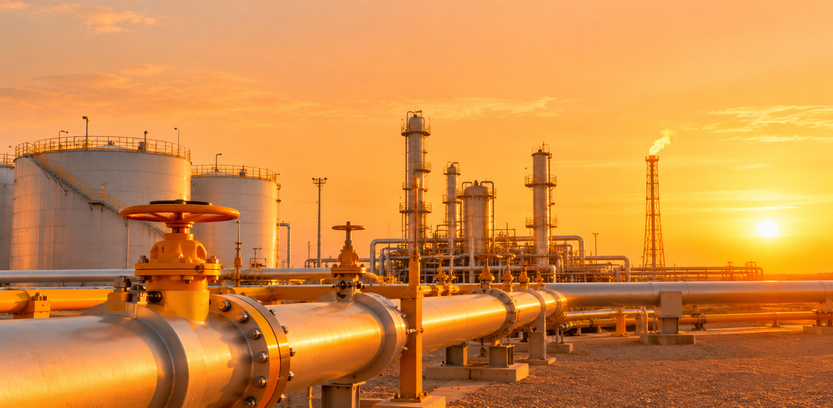
Natural Gas is a widely traded energy commodity used for electricity generation, industrial activity, heating and other applications. Its prices can react sharply to weather, supply and demand, inventories, global energy markets and geopolitical developments.
Natural Gas is a naturally occurring fossil fuel consisting primarily of methane, along with smaller quantities of other hydrocarbons and gases. It is extracted from underground formations and supplied through pipelines or converted into Liquefied Natural Gas (LNG) for transportation over longer distances. Its consumption can change significantly depending on weather conditions.
Natural Gas is used for electricity generation, industrial activity, residential and commercial use, and transportation.
Source: U.S. Energy Information Administration (EIA)
MCX Natural Gas contracts are traded in standardised lot sizes. The available variants are:
|
Contract |
Underlying code |
Lot size |
|
Natural Gas |
NATGAS |
1,250 MMBtu |
|
Natural Gas Mini |
NATGMI |
250 MMBtu |
What does MMBTu means: MMBtu (Metric Million British Thermal Units) is a unit used to measure the energy content of Natural Gas.
Source: MCX
Natural Gas contracts trade on MCX from Monday to Friday, 9:00 AM to 11:30 PM during US daylight saving time, and up to 11:55 PM otherwise. Every futures and options contract has a defined expiry date and is cash-settled, so it can be traded up to expiry based on the settlement time specified by the broker.
Note- For futures, margin requirements increase by 5% each day during the last five trading days before expiry. This additional margin needs to be maintained through that window.
Watch Video: MCX Trading Hours Revised from March 9, 2026 Due to US DST - ICICI Direct- ICICI Direct
Natural Gas prices are influenced by several interconnected factors:
Supply and demand: Short-term changes can lead to significant price movements.
Weather: Changes in heating and electricity demand can affect consumption.
Storage inventories: Weekly US EIA inventory reports can influence prices in the short term.
Geopolitical developments: Conflicts or instability can disrupt supply and increase volatility.
Imports and exports: LNG flows affect domestic availability and connect local markets with global demand.
Infrastructure constraints: Pipeline bottlenecks, plant maintenance or transit disruptions can restrict delivery and cause regional price spikes.
Source: U.S. Energy Information Administration (EIA)
MCX Natural Gas futures track Henry Hub Natural Gas prices sourced from NYMEX (CME Group), linking domestic Natural Gas pricing with global benchmark movements.
Source: CME Group, Henry Hub Natural Gas
Additional Read: NYMEX, COMEX & LME: How They Impact MCX Prices- ICICI Direct
Key risks include price volatility from geopolitical or economic developments, global dependency on overnight developments, leverage risk because margin-based trading can amplify gains and losses, currency risk from USD-INR movements, and liquidity risk in contract months with lower trading volumes.
Source: Global Firepower
Natural Gas is an important energy commodity linked to electricity generation, industrial activity and global LNG trade. Understanding its key uses, MCX contracts, price drivers and trading risks can help market participants better understand the commodity before trading it.


Understand contango in commodity trading, how futures prices differ from spot prices, and how financing, storage and insurance costs influence commodity pricing.
 74 views
 1 minutes
 19 Oct 2026
Copper is a widely used base metal known for its electrical and thermal conductivity, strength, ductility and corrosion resistance. It is used across electrical wiring, construction, machinery, power infrastructure and several industrial applications.
328 views
2 minutes
09 Oct 2026
Natural Gas is a widely traded energy commodity used for electricity generation, industrial activity, heating and other applications. Its prices can react sharply to weather, supply and demand, inventories, global energy markets and geopolitical developments.
551 views
1 minutes
30 Sep 2026


Elevate Your Financial Knowledge with the
ICICI Direct iLearn App
Elevate Your Financial Knowledge with the
ICICI Direct iLearn App
