


-202610121017596081271.jpg)




Download
iLearn application
Elevate Your Financial Knowledge with the
ICICI Direct iLearn App





The Securities and Exchange Board of India (SEBI) has introduced two key measures to enhance investor payment security. The “Validated UPI Handles” and “SEBI Check” tools help ensure that payments made to SEBI-registered intermediaries are verified and processed through authorized channels. Let us look at the details of these two initiatives.
The first new system is called “Validated UPI Handles,” and it will make payments to investor-facing intermediaries safer and easier. Under this system, UPI IDs of SEBI-registered brokers, mutual funds, and other intermediaries will carry a special “@valid” handle issued by the National Payments Corporation of India (NPCI). The goal is to help investors quickly identify genuine entities and avoid fraudulent activity.
Who is already using it:
This system is optional and works alongside existing payment methods like NEFT, RTGS, and IMPS. Investors can continue using their preferred payment method while benefiting from an extra layer of verification.
Below are a few key features of Validated UPI handles:
Exclusive Identifier: Every UPI ID will include the “@valid” tag, along with a category-specific suffix that indicates the type of intermediary:
This makes it easy for investors to immediately recognize that the UPI ID belongs to a legitimate SEBI-registered entity.
Visual Verification: When making a payment through a validated UPI handle, a “thumbs-up inside a green triangle” icon will appear on the transaction screen. This confirms that the payment is going to a verified intermediary. If you don’t see the icon, treat it as a warning and avoid making the payment.
Distinctive QR Code: Each intermediary will have a special QR code with the thumbs-up symbol at the centre. Scanning this QR code ensures that payments are made directly to the registered entity without error.
The second initiative, called “SEBI Check”, is designed to help investors verify SEBI registration of intermediaries before making payments or investments. This tool ensures that you are dealing with genuine brokers, mutual funds, or other SEBI-registered entities and not falling victim to fraud.
Instant Verification of Entities: Investors can enter the name, UPI handle, or registration number of a broker, mutual fund, or other intermediary in the SEBI Check portal or app. The system instantly confirms whether the entity is registered with SEBI and allowed to accept payments from investors.
Category-wise Details: The SEBI Check also displays the type of intermediary, such as a broker, mutual fund, depository participant, or investment adviser. This helps investors understand the exact services the intermediary is authorized to provide.
Red Flags for Unregistered Entities: If the intermediary is not registered with SEBI, the tool will immediately alert the investor. This prevents accidental payments to fraudulent or unauthorized parties.
Integration with Other Payment Tools: SEBI Check can be used in conjunction with the Validated UPI Handles system. For example, before sending money via a “@valid” handle, investors can cross-check the intermediary on SEBI Check for additional assurance.
Together, Validated UPI Handles and SEBI Check provide investors with a robust, two-layered safety net when making payments to SEBI-registered intermediaries. While the “@valid” UPI handles offer a quick, visual confirmation and an error-free payment process through unique identifiers, category-specific suffixes, and distinctive QR codes, SEBI Check adds an extra layer of assurance by allowing investors to verify the registration and legitimacy of intermediaries in real-time.
Combined, these initiatives make investing and transacting in India safer, more transparent, and easier for all investors, reducing the risk of fraud and boosting confidence in the financial system.


Copper is a widely used base metal known for its electrical and thermal conductivity, strength, ductility and corrosion resistance. It is used across electrical wiring, construction, machinery, power infrastructure and several industrial applications.
 259 views
 2 minutes
 09 Oct 2026
Natural Gas is a widely traded energy commodity used for electricity generation, industrial activity, heating and other applications. Its prices can react sharply to weather, supply and demand, inventories, global energy markets and geopolitical developments.
443 views
1 minutes
30 Sep 2026
Gold is more than a precious metal. It is a safe-haven asset, investment avenue, central-bank reserve asset and industrial commodity. For a commodity trader, understanding both Gold's fundamentals and the contract being traded is important.
575 views
3 minutes
23 Sep 2026

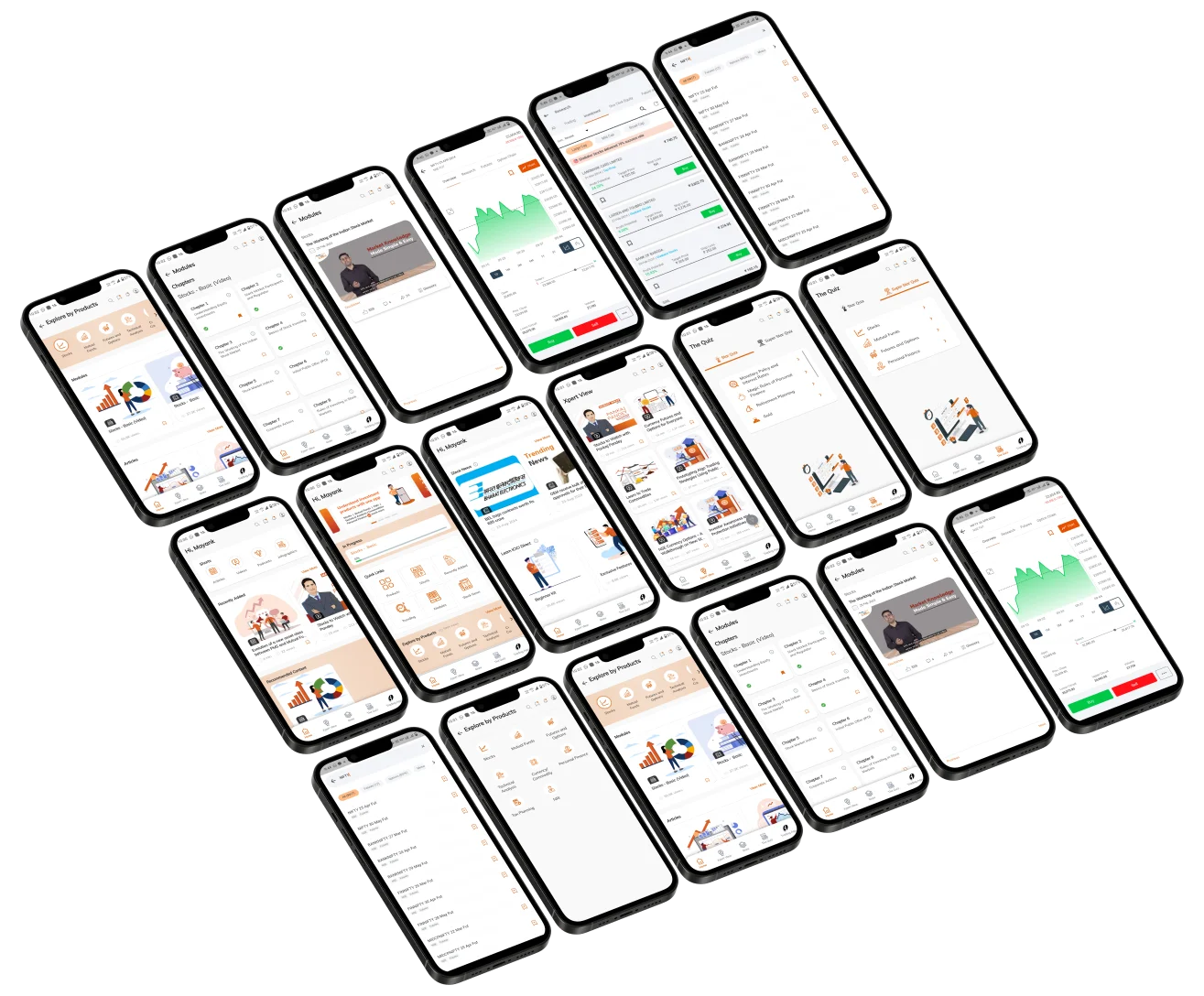
Elevate Your Financial Knowledge with the
ICICI Direct iLearn App
Elevate Your Financial Knowledge with the
ICICI Direct iLearn App
