





Download
iLearn application
Elevate Your Financial Knowledge with the
ICICI Direct iLearn App





As an investor, when you think of trading, the popular asset classes that first strike your mind are usually stocks, real estate, gold, etc. Very few realise that wealth can be generated by trading in currencies as well. Lack of enough information about currency trading, strict regulatory norms and high associated risk are some of the key reasons that have kept small investors away from the currency market. But excellent profit-making potential is now attracting more and more people towards currencies. If you are one of those who are willing to try your hand in this sector, here are some currency trading basics to help you through the process.
Currency trading, also known as foreign exchange or forex trading, refers to the buying and selling of currencies. The first thing to note here is that forex trade always happens in a pair of currencies. So, for instance, you can trade in the USD/INR pair, whose value determines the number of Indian rupees one US dollar can buy.
So, if USD/INR is 75, it means that 1 US dollar is equal to Rs. 75. You can either buy or sell the USD/INR at this price. Trades can also be done in other cross-currency pairs like GBP/USD, EUR/USD or USD/JPY. The first currency in any pair is the base currency and the second is the quote currency.
The second important thing to know before you start trading in currencies is that unlike the stock market where you can buy one unit of share, forex market deals in lots. A lot refers to a specific size of a trade an investor has to get into.
The lot size for trading in any currency pair in India is usually 1,000 units of the base currency. So, in the USD/INR pair, the lot size would be $1,000, or around Rs. 75,000 (going by the above example).
There are mainly two types of currency market -- spot market and derivatives market.
In India, you can only trade in the currency derivatives market. Also, currency derivatives here are cash-settled. This means there is no actual delivery of currency on expiry of the derivatives contract. The payment is made in cash equivalent to the value of the underlying asset.
In order to start trading in the currency market, you need to open a forex trading account with a broker registered with the Securities and Exchange Board of India (Sebi). You need to submit all the KYC (know your customer) details to your broker and then deposit the required margin amount. After that, you should get the login and password details from your broker to begin trading on its proprietary forex trading platform. These custom-built forex trading platforms connect brokers with the forex market. Make sure you have a good Internet connection for minimum disruptions while trading.
Currency futures and options are traded on the National Stock Exchange of India (NSE), BSE and Metropolitan Stock Exchange. Currency trading usually happens from 9am to 5pm.
Currency derivatives in India can help investors in the following ways:
Currency trading can reap handsome profits if you research well about the market and the financial instrument. Stay well informed to keep your risks low and returns high.


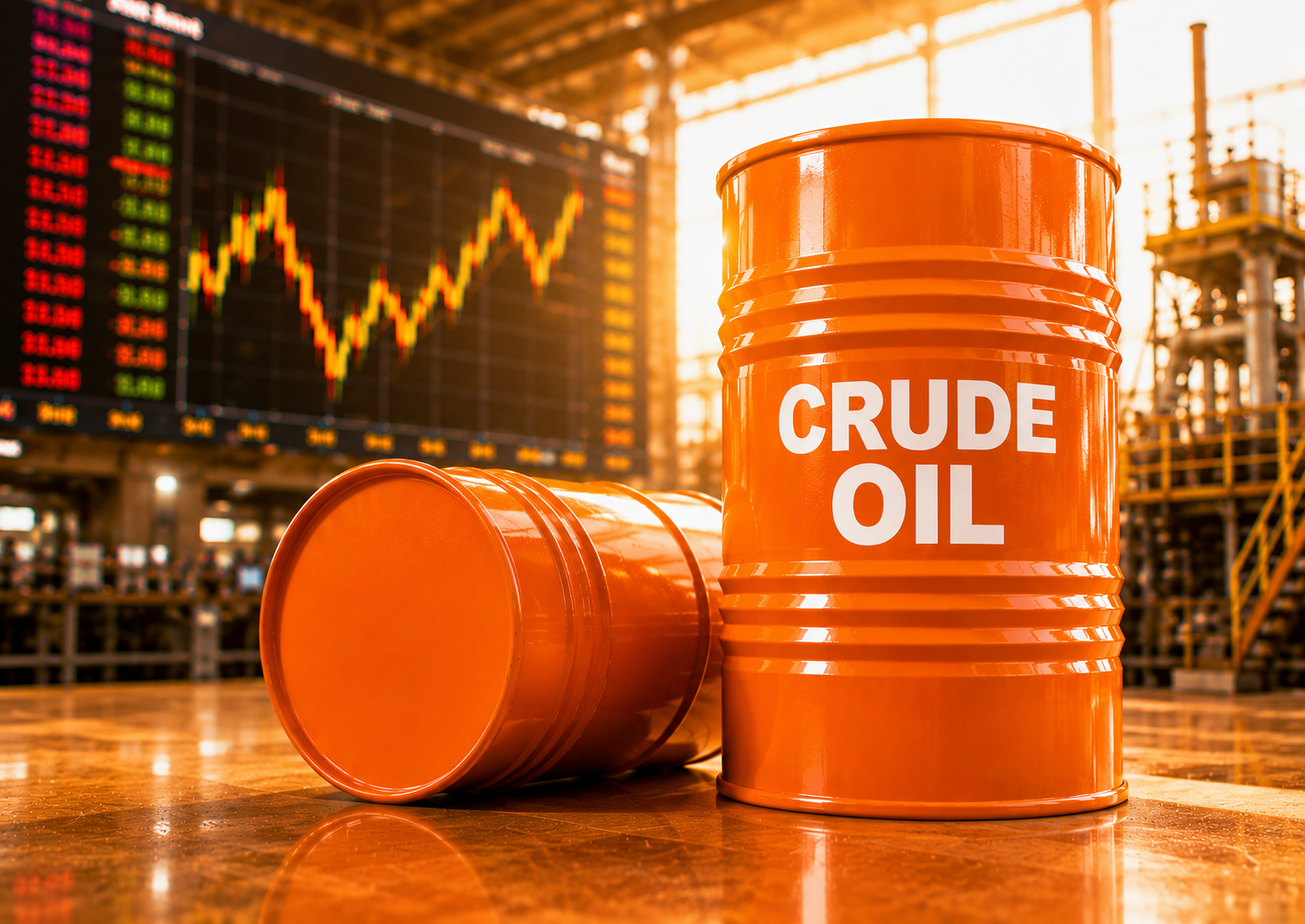
Gold can react to inflation data, while crude oil may jump after an inventory report or geopolitical disruption.
 449 views
 4 minutes
 21 Jul 2026
Understand how crude oil trading works on MCX and also learn about contract sizes, expiry, trading hours, global benchmarks, price drivers and risks before you trade.
665 views
2 minutes
20 Jul 2026
Learn how to calculate the break-even point in commodity trading by factoring in brokerage, taxes, and other charges
1 k views
1 minutes
01 Jul 2026
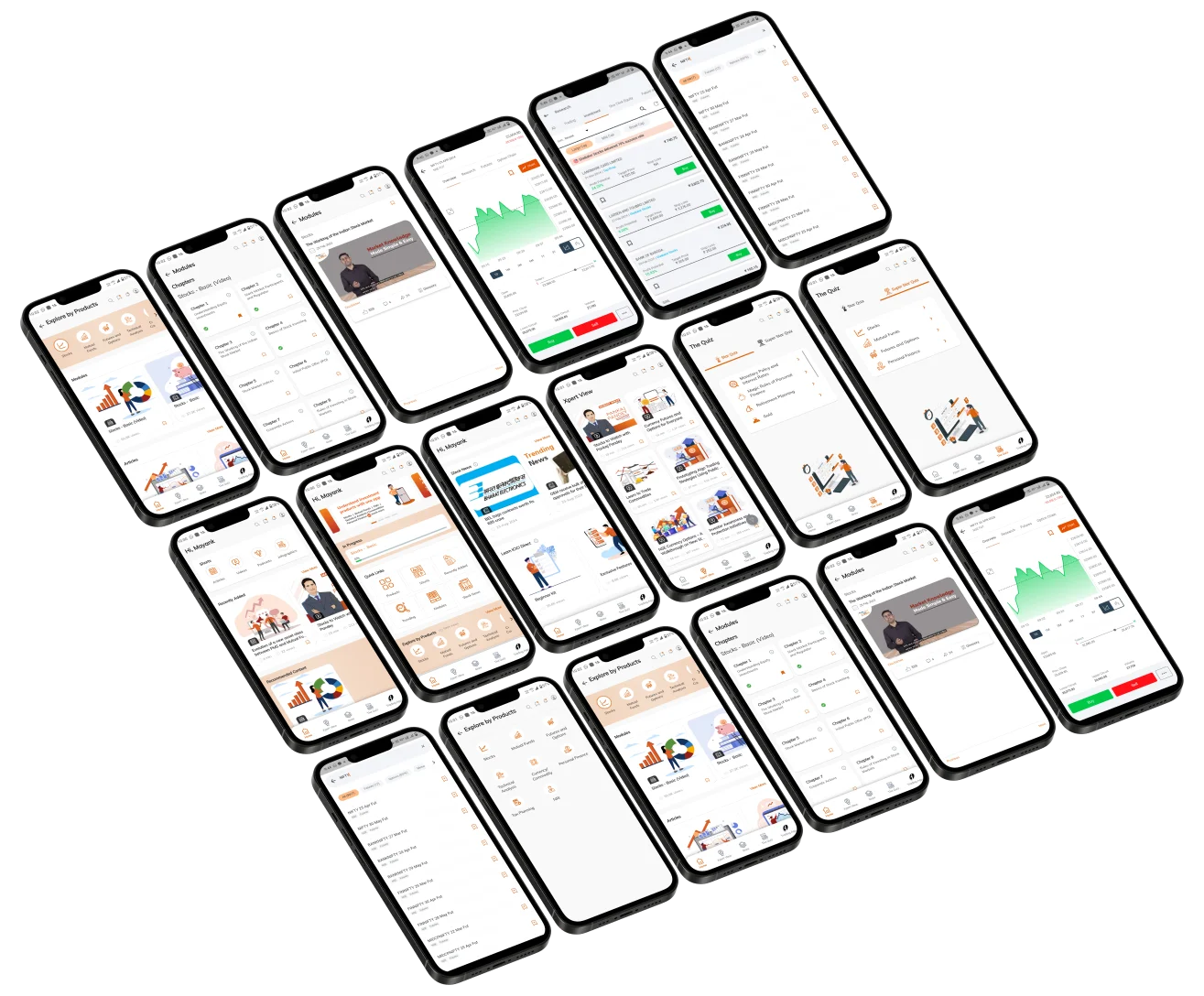
Elevate Your Financial Knowledge with the
ICICI Direct iLearn App
Elevate Your Financial Knowledge with the
ICICI Direct iLearn App
