







Download
iLearn application
Elevate Your Financial Knowledge with the
ICICI Direct iLearn App




An Initial Public Offer (IPO), a method through which a company can raise funds by issuing its shares to the public, is the most basic step of a company going public and ultimately resulting in available for broader investor participation on the bourses.
IPOs have attracted many new investors and market participants to take a keen interest in the world of investing. IPO provides investors with an excellent opportunity to invest in a company in an earlier stage of its growth cycle.
Companies may opt for IPOs to raise funds for financing new projects, scale the business, or even give a partial or full exit to early investors and promoters. As it is a form of equity financing, it is a cheaper and more affordable way to raise funds. Before investing in an IPO, knowing the different types of IPO is essential.
There are two types of IPO that a company can choose from. Fixed price issues and book-building issues.
A fixed price issue is an IPO type in which a company’s shares have a fixed price. A company, with the help of a merchant banker or underwriter, evaluates various factors in order to come up with a fixed price for the issue.
While evaluating a company’s offerings, the merchant bank or underwriter will assess the company's assets, liabilities, risks and valuation. Along with the current valuation, the merchant bank will also try to ascertain the future growth prospects of the company in order to come up with a price for the issue. Typically, these issues are undervalued, and the price is below the market value, making it popular amongst retail investors as they can benefit from the company's revaluation.
A book-building issue is another type of IPO. This method discovers the price of the shares during the IPO process itself. When the company comes out with the issue, they set a price band or a range instead of a fixed price.
The lowest price of the range is called the ‘floor price’ while the highest point is called the ‘cap price’. While applying for this IPO type, investors can bid for a price in this range. The share price is decided after evaluating all bids. A company may select one or a combination of both from the different types of IPO in order to issue shares to the public.
Now that we’ve discussed the different types of IPO, let’s look at how you can apply for one.
In order to apply for an IPO, an individual needs to have a demat account in which the securities can be stored safely and digitally. A trading account which will help facilitate the buying and selling of securities, and a bank account through which the funds can be used to apply for the IPO.
In conclusion, IPOs are helpful for companies as it is a cheaper way to raise funds for various needs. Moreover, IPOs provide wonderful opportunities for investors to be a part of a company with a prospect for growth.
There are two types of IPOs. Fixed price issues and Book-building issues.
Out of the two types of IPOs, the Book-building issue is a relatively newer type of IPO in India, but it is still widespread.
An IPO market is a primary market where companies issue shares to the public for the first time. These shares are then traded in the secondary market.
There are multiple factors that affect an IPO. All IPOs have their strengths and weaknesses. An investor must do thorough research and analysis before applying for an IPO.


Explore the meaning of a mainboard IPO, SEBI's eligibility routes, NSE and BSE listing rules, key benefits, and the checks investors should make before applying.
 1 k views
 4 minutes
 13 Aug 2026
Commodity prices don't move in isolation. Along with demand-supply dynamics and geopolitical events, one global indicator that often influences commodity prices is the US Dollar Index (DXY).
1 k views
3 minutes
11 Aug 2026
Gold can react to inflation data, while crude oil may jump after an inventory report or geopolitical disruption.
961 views
4 minutes
21 Jul 2026

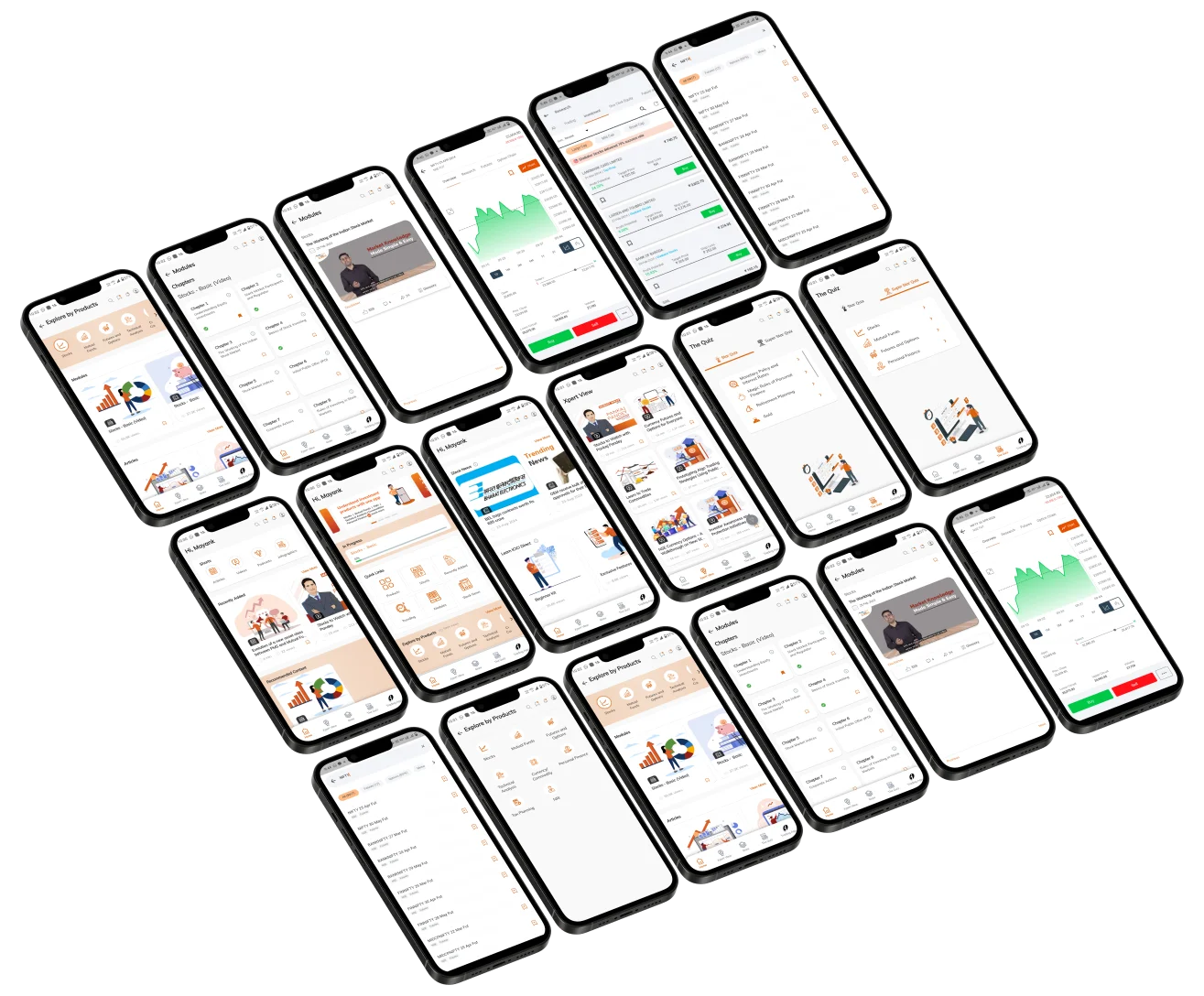
Elevate Your Financial Knowledge with the
ICICI Direct iLearn App
Elevate Your Financial Knowledge with the
ICICI Direct iLearn App
