



-202610121017596081271.jpg)



Download
iLearn application
Elevate Your Financial Knowledge with the
ICICI Direct iLearn App





Following the earlier regulatory changes in Index Derivatives, SEBI has now extended the Removal of Calendar Spread Margin Benefit on expiry day for Single-Stock Derivatives as well. Exchanges and Clearing Corporations, have also issued circulars detailing the implementation framework.
This change will come into effect from May 04, 2026, and will significantly impact traders who carry calendar spread positions in stock futures and options into expiry day.
To read our previous detailed article on Removal of Calendar Spread Margin Benefit on expiry day for Index Derivatives, click here.
In this article, we break down what has changed, how margins will be computed, and what it means for your trading strategies.
As per SEBI’s circular dated February 5, 2026, calendar spread margin benefit will not be available for single-stock derivatives on the day of expiry for contracts expiring that day.
If you are holding a calendar spread in Stock Futures or Options (for example, long near-month and short next-month contract), the expiring leg will not get offset margin benefit on expiry day.
This aligns stock derivatives treatment with the earlier framework implemented for index derivatives.
The exchanges have clarified the implementation in both SPAN Margin and Extreme Loss Margin (ELM) frameworks:
On expiry day: Stock Futures positions in expiring contracts will not be granted calendar spread treatment & No ELM offset will be available from the start of expiry day
This means margin requirements may increase sharply if spreads are carried into expiry.
Let’s understand this with an illustration:
|
Suppose you hold |
On normal days |
On expiry day (Feb contract expiring) |
|
Long ABC February Futures (expiring today) Short ABC March Futures |
|
|
On non-expiry days, regular calendar spread treatment continues as usual.
The key objectives can be summarized as below:
Expiry days often witness high volatility and concentrated unwinding activity. Removing offset benefits helps ensuring better margin sufficiency during these critical sessions.
This change is especially relevant for:
If spreads are not squared off or rolled over before expiry day, margin spikes may occur.
From May 04, 2026, on expiry day, expiring stock derivative contracts will not receive calendar spread margin benefit. This is a structural risk-management enhancement and may lead to higher margin requirements for traders carrying spreads into expiry. Hence, traders are recommended to:
Pro Tip: You may use Margin Calculator on ICICI Direct’s website to estimate your margin requirements for Index & Single-Stock Derivatives and avoid any last-minute surprises.
SEBI circular ref. no. HO/47/15/11(2)2025-MRD-TPD1/ I/4226/2026 dated February 05, 2026
NSE circular NCL/CMPT/72659 dated February 05, 2026
BSE/ICCL notice no. 20260210-46 dated February 10, 2026
NSE circular NCL/CMPT/72906 dated February 20, 2026


Understand contango in commodity trading, how futures prices differ from spot prices, and how financing, storage and insurance costs influence commodity pricing.
 151 views
 1 minutes
 19 Oct 2026
Copper is a widely used base metal known for its electrical and thermal conductivity, strength, ductility and corrosion resistance. It is used across electrical wiring, construction, machinery, power infrastructure and several industrial applications.
372 views
2 minutes
09 Oct 2026
Natural Gas is a widely traded energy commodity used for electricity generation, industrial activity, heating and other applications. Its prices can react sharply to weather, supply and demand, inventories, global energy markets and geopolitical developments.
635 views
1 minutes
30 Sep 2026
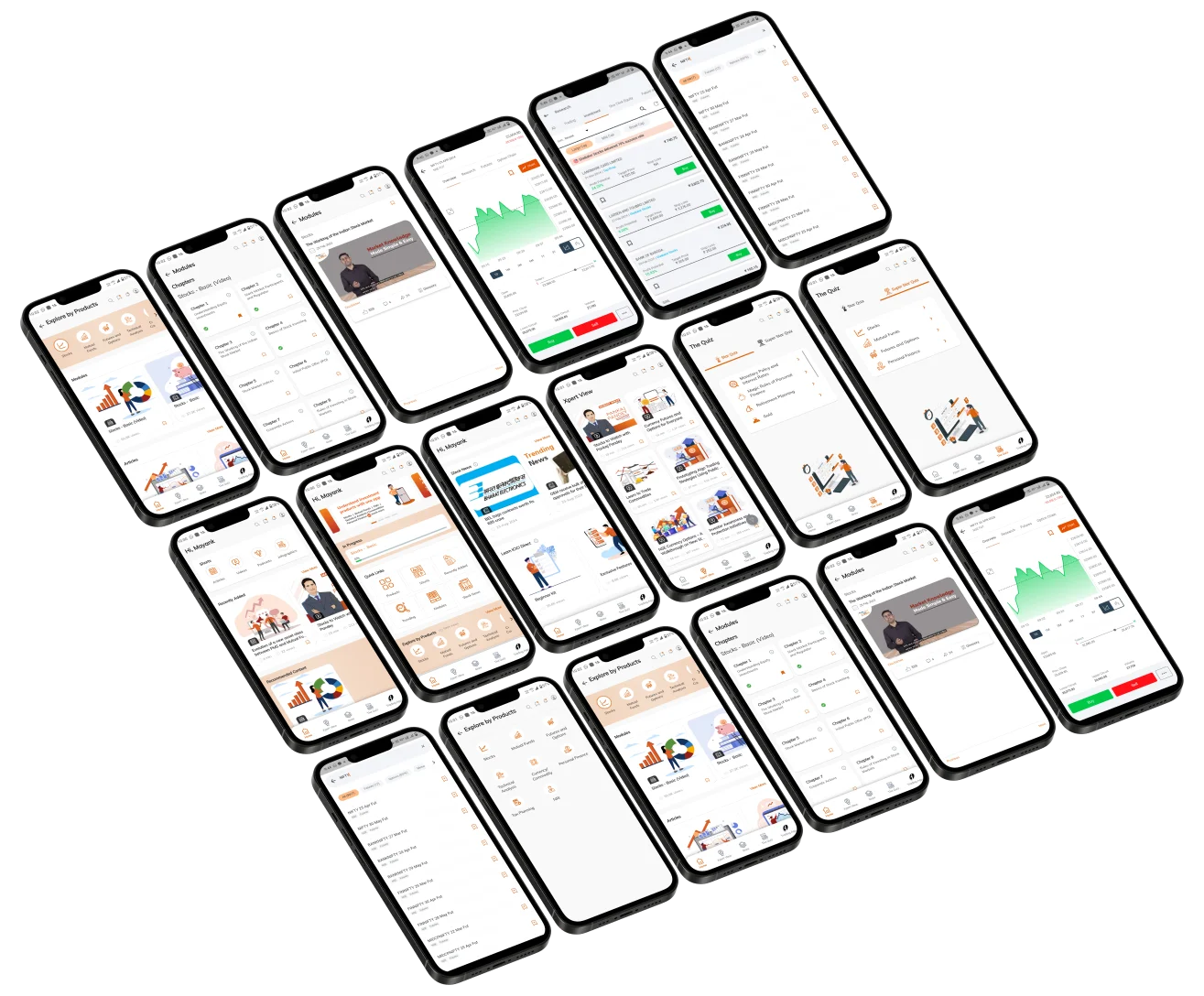
Elevate Your Financial Knowledge with the
ICICI Direct iLearn App
Elevate Your Financial Knowledge with the
ICICI Direct iLearn App
