






Download
iLearn application
Elevate Your Financial Knowledge with the
ICICI Direct iLearn App




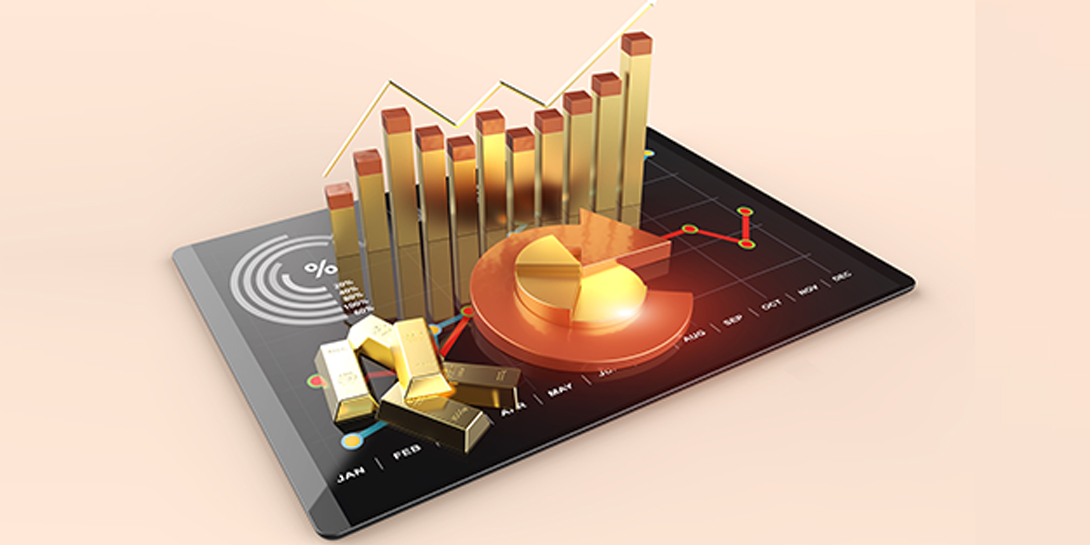
Commodity derivatives are financial instruments that allow individuals and organizations to hedge against price fluctuations in the commodity markets. The Commodity Derivatives Market has grown in recent years, with a significant increase in the number of participants and the volume of trades. The participants in the commodity derivatives market include producers, consumers, speculators, and intermediaries. These participants play a critical role in determining the direction and stability of the commodity markets. In this article, we will discuss the different types of participants in the Commodity Derivatives Market and the stance of Foreign Portfolio Investors (FPIs) and Foreign Direct Investors (FDIs) in it.
Producers, also known as hedgers, use commodity derivatives to lock in prices for their future production. This allows them to manage the risk associated with volatile commodity prices. For example, if a farmer is growing a crop that is expected to be in high demand in the future, they can sell futures contracts to lock in a favorable price for their harvest. This protects the farmer from price changes in the market and provides them with a stable source of income.
Consumers, also known as end-users, use commodity derivatives to manage the price risk associated with purchasing commodities. For example, an airline may use fuel hedging to protect itself against fluctuations in the price of jet fuel. By entering into a futures contract, the airline can lock in a set price for fuel, which helps it budget for its future operations and manage its financial risk.
Foreign Portfolio Investors (FPIs) and Foreign Direct Investors (FDIs) are becoming increasingly interested in the commodity derivatives market. FPIs are individuals or organizations that invest in foreign securities, including commodity derivatives, as a way to diversify their portfolios. FDIs, on the other hand, are individuals or organizations that invest in foreign companies and assets, including commodity derivatives.
FPIs and FDIs have been attracted to the commodity derivatives market due to its potential for high returns and the diversification benefits it provides. With the growing demand for commodities, many FPIs and FDIs have seen an opportunity to invest in the commodity markets and take advantage of rising prices. This has led to an increase in the number of foreign investors in the commodity derivatives market, which has helped to increase the market's liquidity and stability. The Indian regulator i.e., SEBI has permitted FPIs to enter into Indian commodity derivatives market, however, the participation is very less as of now because of stringent regulatory norms.
The regulatory environment for FPIs and FDIs in the Commodity Derivatives Market is favorable, with many countries allowing them to participate in the market. However, there have been concerns raised about the impact of FPIs and FDIs on the market, particularly with regards to the role of speculators. Some experts have argued that the presence of large numbers of speculators can lead to increased volatility in the market, making it more difficult for producers and consumers to manage their price risks.
However, there are also concerns about the potential risks associated with investing in the commodity derivatives market. Some investors are concerned about the impact of geopolitical events, such as wars and natural disasters, on the commodity markets. There are also concerns about the volatility of commodity prices, which can have a significant impact on the returns of FPIs and FDIs.
In conclusion, the commodity derivatives market is a complex and dynamic arena that involves many different participants, including producers, consumers, speculators, and intermediaries. FPIs and FDIs are becoming increasingly interested in the commodity derivatives market due to its potential for high returns and diversification benefits, but there are also concerns about the potential risks associated with investing in this market. It is important for investors to understand the risks and benefits associated with investing in the commodity derivatives market before making any investment decisions.


Gold is one of the world's most actively traded precious metals and is widely used for investment, jewellery and industrial applications. It is also considered a safe-haven asset during periods of economic or market uncertainty.
 352 views
 3 minutes
 07 Sep 2026
In this article, we’ll explore the three exchanges that matter most: NYMEX, COMEX, and the London Metal Exchange (LME) and their link with MCX.
526 views
1 minutes
31 Aug 2026
Explore the meaning of a mainboard IPO, SEBI's eligibility routes, NSE and BSE listing rules, key benefits, and the checks investors should make before applying.
2 k views
4 minutes
13 Aug 2026

Elevate Your Financial Knowledge with the
ICICI Direct iLearn App
Elevate Your Financial Knowledge with the
ICICI Direct iLearn App
