




Download
iLearn application
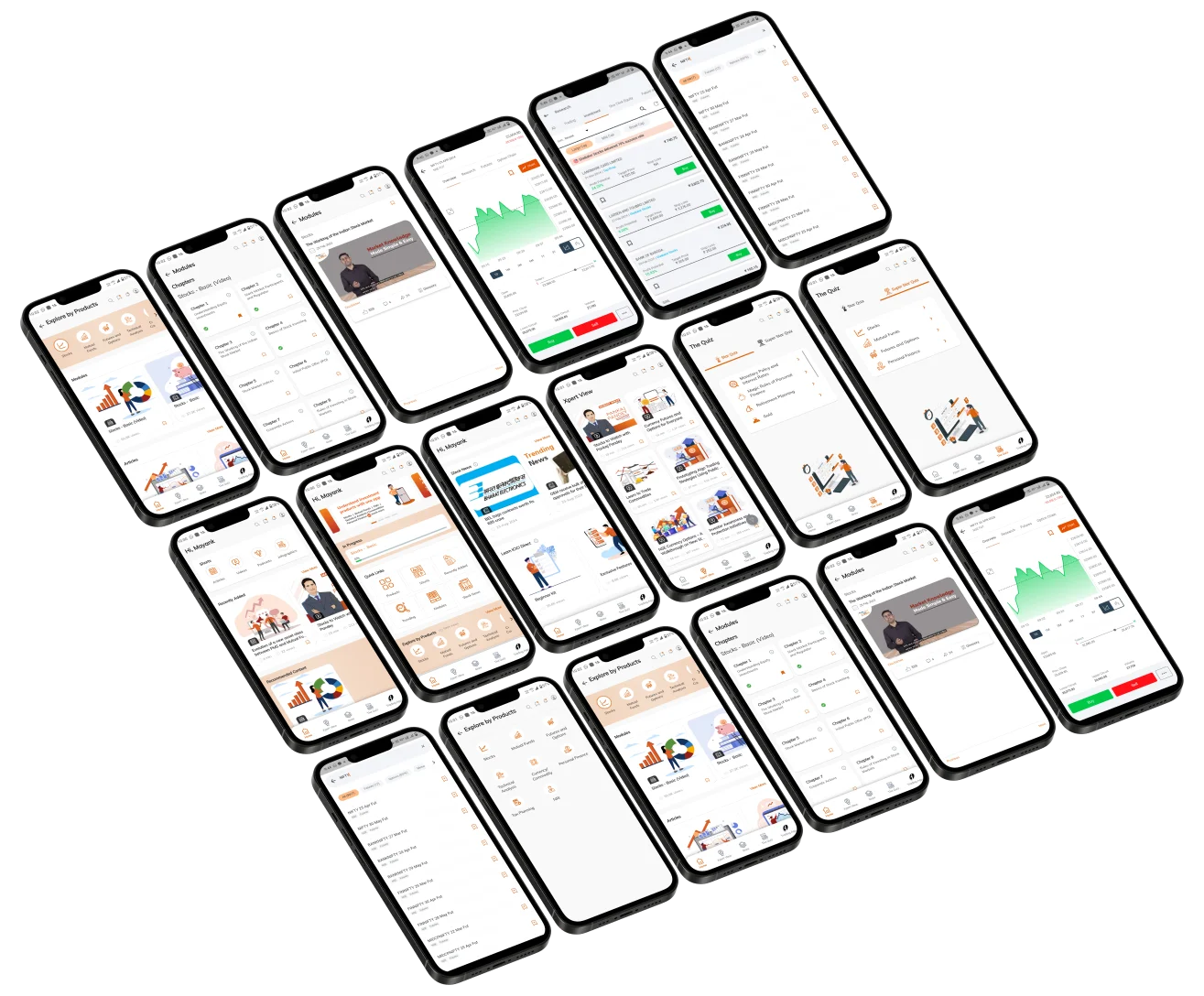
Elevate Your Financial Knowledge with the
ICICI Direct iLearn App





Commodity derivatives are high risk and high return financial derivative instruments because of the size of the contracts and nature of the product. In commodity derivatives, the underlying product is the physical commodities like gold, silver, metals, crude oil and agriculture products.
Commodity derivatives are highly leveraged products and require lower margin than equity futures. The function of leverage signifies risk and reward, i.e. lower margin provides higher leverage and vice versa. It is advised that one should understand the basics of derivatives market, i.e. margin, premium, settlement, leverage, etc.
Just like any other financial market, price in commodity market plays an important role. Here, in commodity market, price movement takes place based on the factors such as supply-demand, macro, and microeconomic factors, government actions, geo-political factors, etc. When traded at an exchange few contracts in commodity derivatives are cash settled and others could be settled by delivery. In case of delivery settlement, an exchange imposes a requirement of additional margin during delivery period. One should be informed about it and carefully watch an open position in such physically settled contracts.
As we have discussed about high risk and high return in commodity derivatives, let us understand this concept with an example, as below.
|
Particulars |
Equity Derivatives |
Commodity Derivative |
|
Contract |
NIFTY 50 |
Gold Regular |
|
Margin Requirement |
12% |
8% |
|
Approximate Price |
17200 |
50000 |
|
Contact Size |
50 Units |
1 KG (1000 Grams) |
|
Value of the contract |
8,60,000 |
50,00,000 |
|
Margin required to buy 1 lot |
1,03,200 |
4,00,000 |
Table 1 highlights comparison between NIFTY50 Futures and Gold 1 Kg Futures. Gold 1 Kg Futures contract size is bigger than Nifty 50 Futures but requires lesser margin. In Nifty 50 Futures leverage is around 12 % where as in GOLD 1 Kg Futures, margin is 8%. Hence in our example, GOLD 1 Kg Futures contract is more leveraged and with a favourable price movement, it should give higher returns.
Let’s see this in the table 2, as below: -
Assuming there is a price movement by 1%.
Additional Read: Five Commodities to Trade in 2022
|
Particulars |
Equity Derivatives |
Commodity Derivatives |
|
Contract |
NIFTY 50 |
Gold Regular |
|
Margin Requirement* |
12% |
8% |
|
Approximate Price |
17200 |
50000 |
|
Contact Size |
50 Units |
1 KG (1000 Grams) |
|
Price Movement - 1% |
17372 |
50500 |
|
Profit / Loss |
(17372 - 17200) X 50 = 8600 |
(50500 - 50000) X 100 = 50000 |
*Source: NSE and MCX.
Pl note, margin requirement may vary as per an exchange requirement.
From the above table 2, it is evident that commodity derivatives are highly leveraged products. A 1% price movement in gold leads to a gain of Rs. 50,000 while the NIFTY50 futures leads to lesser gain of Rs 8,600 (lesser by Rs 41,400).
It's important to note that leverage is a double edged sword. While it could increase gains, it could magnify loss in case of an adverse price movement.
Additional Read: All About Commodity Indices
Commodity derivatives are based on consumable products that are either extracted or cultivated. Commodities are used by all in some form or other. Individuals, manufacturing units, nations, all deal in different forms of commodities. Derivative contracts based on commodities and traded at an exchange provide an excellent means of price hedging and trading. However, it’s important to understand some basic concepts about commodities and derivative trading before entering in this market. Commodity trading at an exchange like MCX is available for five days a week from 9:00 AM to 11:30/ 11:55 PM.


Gold is more than a precious metal. It is a safe-haven asset, investment avenue, central-bank reserve asset and industrial commodity. For a commodity trader, understanding both Gold's fundamentals and the contract being traded is important.
 74 views
 3 minutes
 23 Sep 2026
Gold is one of the world's most actively traded precious metals and is widely used for investment, jewellery and industrial applications. It is also considered a safe-haven asset during periods of economic or market uncertainty.
430 views
3 minutes
07 Sep 2026
In this article, we’ll explore the three exchanges that matter most: NYMEX, COMEX, and the London Metal Exchange (LME) and their link with MCX.
597 views
1 minutes
31 Aug 2026
Elevate Your Financial Knowledge with the
ICICI Direct iLearn App
Elevate Your Financial Knowledge with the
ICICI Direct iLearn App
