


-202610121017596081271.jpg)




Download
iLearn application
Elevate Your Financial Knowledge with the
ICICI Direct iLearn App




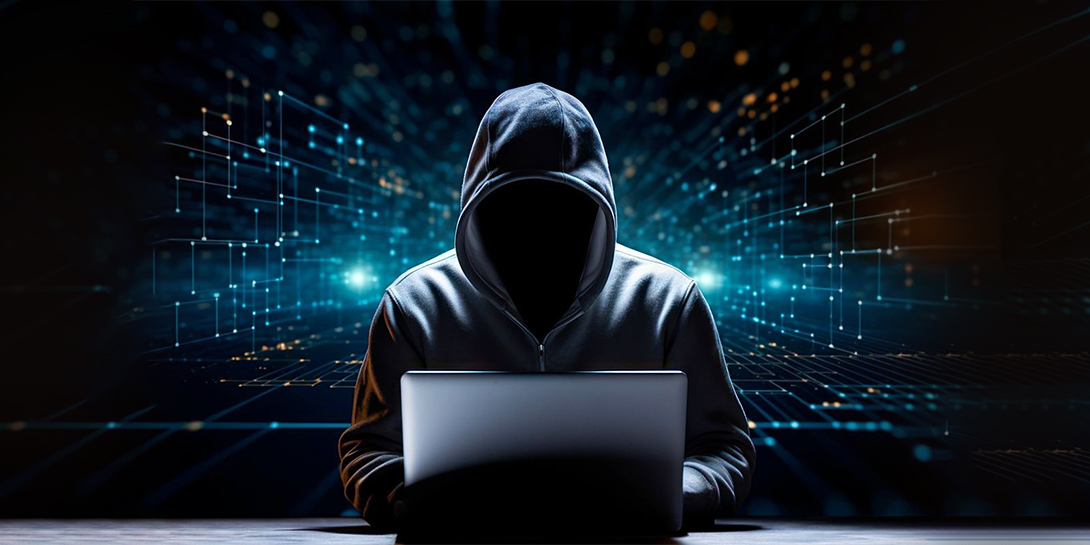
As our world becomes increasingly digital, every aspect of society relies on networks and computers, making private digital information vulnerable to being stolen or exploited by hackers looking for easy targets. Data breaches that make headlines undermine customer trust in companies and increase the risk of identity theft and financial loss for customers. Therefore, business leaders must prioritise cyber security measures while emphasising their importance for protecting both company and customer data.
Meaning of Cyber Security
Cybersecurity refers to the practice of using various technologies, processes, and procedures to protect networks, systems, devices, programs and data against attacks from the internet. Managing risk and ensuring business continuity while prioritising user privacy and data protection allows companies to stay compliant and operational and avoid revenue loss and regulatory penalties.
Scale of Cyber Security Threat
The frequency and sophistication of cyberattacks are already alarmingly high and increasing by the day. Currently, more than 79% of targeted cyberattacks begin with an email, making phishing a primary threat. The financial impact of cybercrime is also staggering and rising rapidly. Experts say the global costs of cybercrime will balloon to $10.5 trillion by 2025, a 15% jump from $3 trillion in 2015.
This exponential growth in both the frequency and financial impact of cyberattacks underscores the critical need for robust cybersecurity measures and heightened vigilance across all sectors of society.
Types of Cyber Security Threats
Cybersecurity threats include malware, phishing scams, botnets, and DDoS attacks—tools attackers use to gain access to data or demand ransom payments from individuals.
Malware
Malware is malicious software used by hackers to penetrate, harm, or disrupt computer systems and networks with or without the user's consent. It includes harmful programs such as viruses, worms, trojans, ransomware, and spyware, which are aimed at compromising system security and stealing sensitive information.
Phishing Scams
Phishing is a type of fraud where scam artists pretend to be established institutions with the intent of obtaining a person's sensitive information, whether it's login credentials, financial information, or personal details. Most phishing frauds gain control through false emails, websites, or messages by getting a victim to carry out a chain of actions that compromise their safety.
Botnets
A botnet is a set of compromised computers or devices that an attacker can remotely control to fulfil their malicious intentions. Such affected machines are sometimes called "bots" or "zombies" and are used to perform coordinated attacks, for spamming, data theft, or other malicious activities according to the choice of the attacker.
DDoS Attacks
A Distributed Denial of Service (DDoS) attack is an action that seeks to overwhelm a targeted server, service, or network with a flood of traffic from various sources with malicious intent so as to make it unable to function normally. DDoS attacks involve sending massive amounts of traffic using networks of compromised devices, a process that makes the target unable to function properly and denies the users genuine services.
Basic Cyber Safety Tips
A great way to stay abreast of recent cyberattack developments is by reading online news and blogs dedicated to cybersecurity. Subscribe to email newsletters focused on cyberattacks, follow cybersecurity experts on social media for updates about new trends, and invest in comprehensive cybersecurity insurance that provides coverage that evaluates vulnerabilities, pays fraudulent charges, and provides the resources necessary for recovery after cyberattacks.
Conclusion
Online threats are growing more sophisticated and recurring. This highlights the critical need for continued vigilance and investment in cybersecurity measures. As we go forward in this digital age, it's critical that we stay proactive with our approach to online safety.


Copper is a widely used base metal known for its electrical and thermal conductivity, strength, ductility and corrosion resistance. It is used across electrical wiring, construction, machinery, power infrastructure and several industrial applications.
 272 views
 2 minutes
 09 Oct 2026
Natural Gas is a widely traded energy commodity used for electricity generation, industrial activity, heating and other applications. Its prices can react sharply to weather, supply and demand, inventories, global energy markets and geopolitical developments.
473 views
1 minutes
30 Sep 2026
Gold is more than a precious metal. It is a safe-haven asset, investment avenue, central-bank reserve asset and industrial commodity. For a commodity trader, understanding both Gold's fundamentals and the contract being traded is important.
590 views
3 minutes
23 Sep 2026
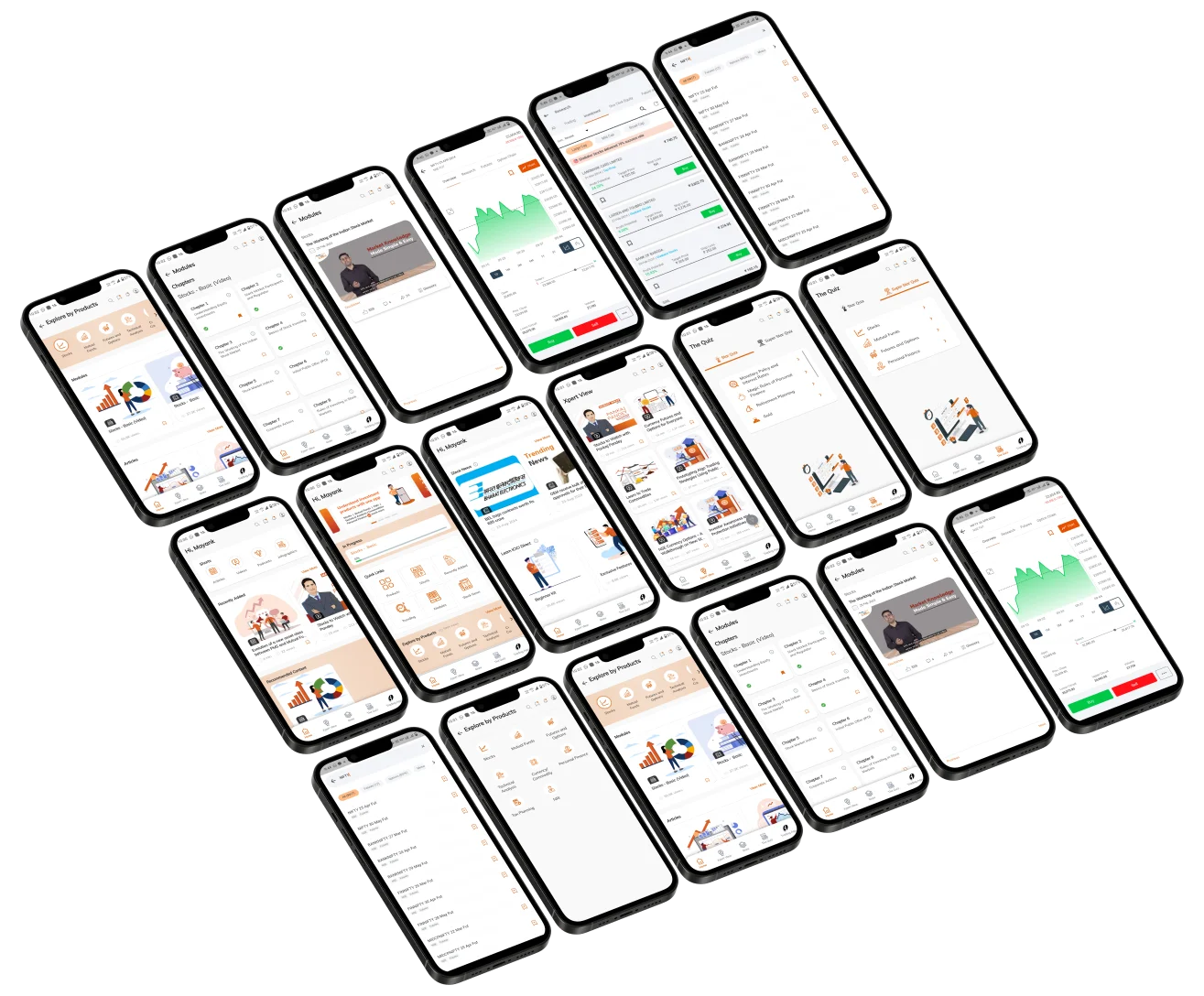
Elevate Your Financial Knowledge with the
ICICI Direct iLearn App
Elevate Your Financial Knowledge with the
ICICI Direct iLearn App
