


 Very High

 Low
Low
 Moderately High
Download
ICICI Direct app
Invest, Track, and Manage your Portfolio Anytime, Anywhere.





Built by experts, backed by insights
Explore 3,000+ mutual funds tailored to your goals


A mutual fund is a type of investment where a group of investors collectively pool their money to create a large, diversified portfolio managed by fund managers. Instead of buying individual stocks or bonds, investors purchase units of the mutual fund, using the combined capital to invest in a wide range of assets.
This collective approach not only simplifies the mutual fund investment process but also offers the benefits of professional management and diversification, making it an attractive option for both new and seasoned investors.
Search Mutual Fund Schemes

Schemes highly rated by Value Research to help you make investing decisions and navigate the Mutual Funds landscape

Explore our readymade, theme-based Mutual Fund portfolios consisting of top Mutual Funds

Get in-depth insights into your Mutual Funds portfolio; explore sector allocation, holdings overlap, risk ratios, and performance analysis
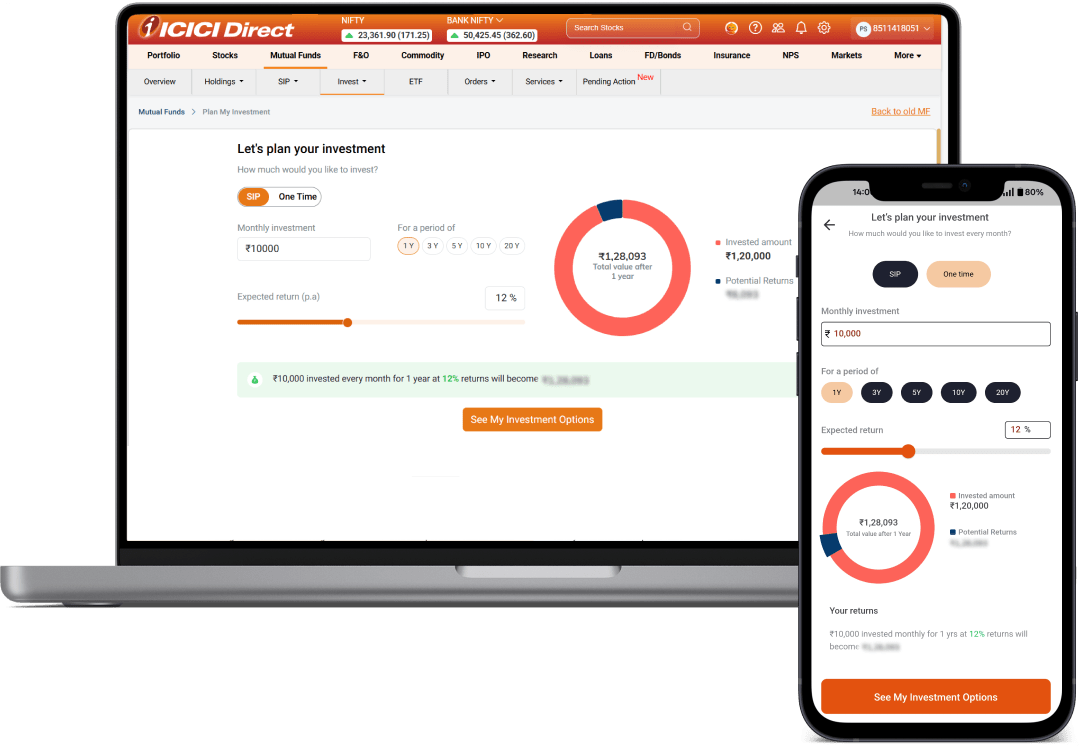
Looking for a custom-made strategy? Just answer these 3 simple questions about your investment amount, risk capacity and investment horizon.
Explore now
Explore top funds sorted by categories such as growth funds, hybrid funds, tax-saver funds, small-cap funds and more!
Explore now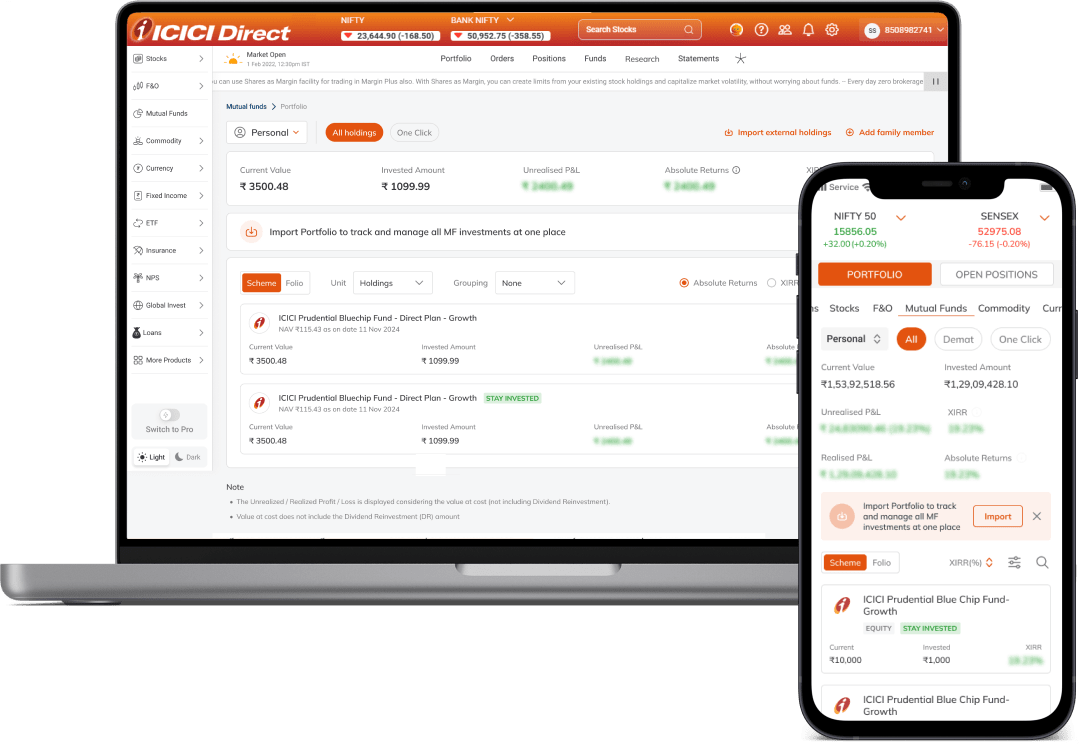
Have Mutual Fund holdings elsewhere? Import them here to view them alongside your existing investments!
Explore now
Compare Mutual Fund Schemes


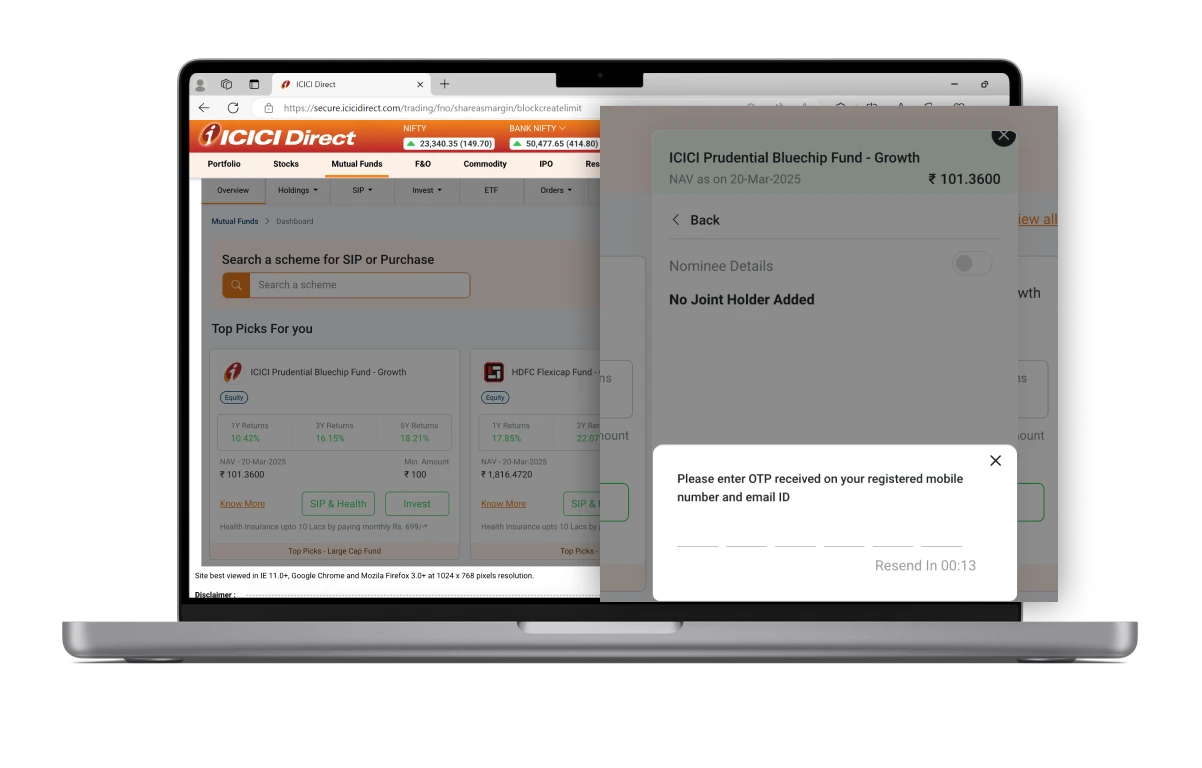
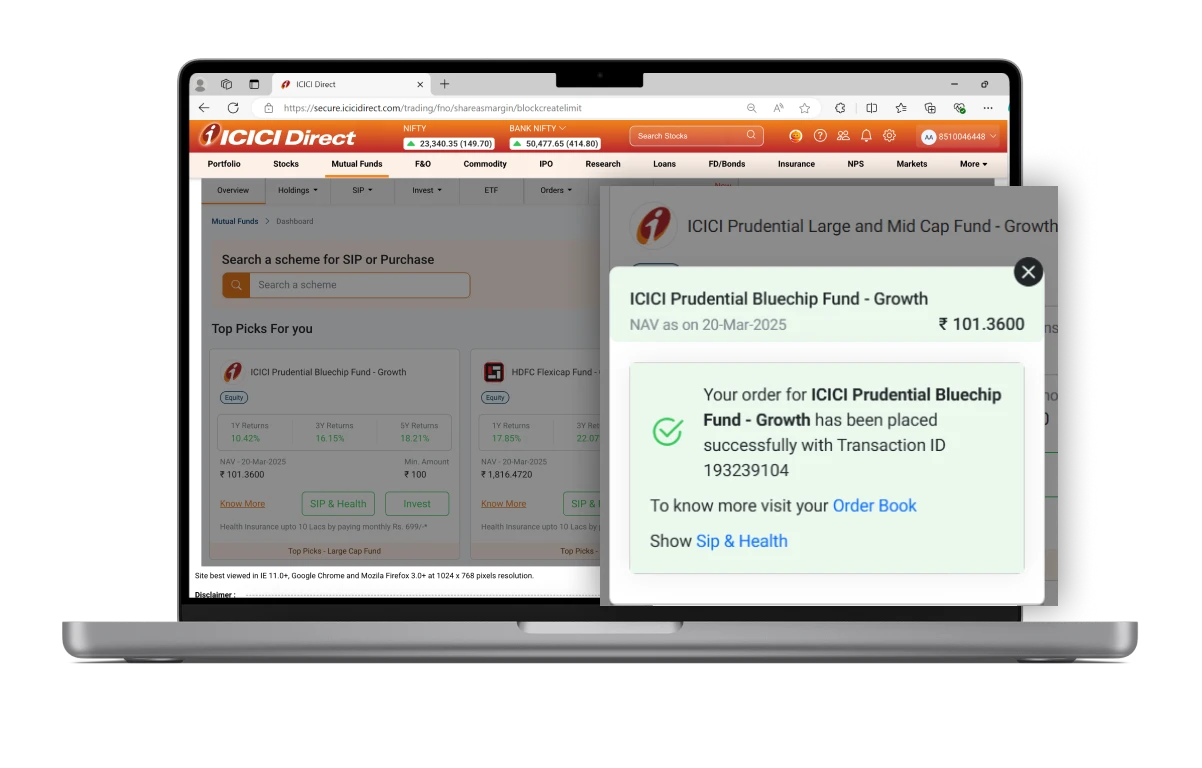




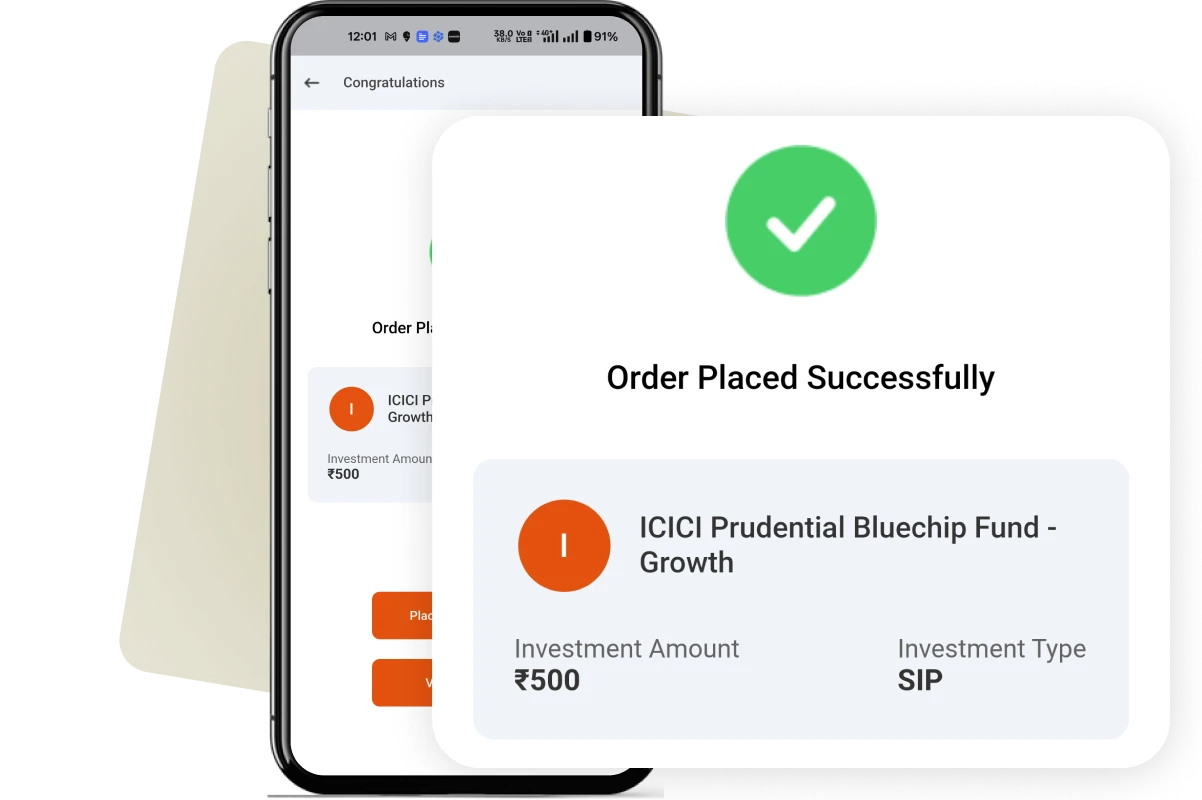
Start your SIP with top performing funds
View Funds
Get your investments managed by experienced fund managers

Avail tax benefits with ELSS investments

Diversify investments across sectors & asset classes

Enjoy the liquidity of funds with no lock-in
Mutual funds allow you to pool money in a professionally managed portfolio of equities, debt instruments, or other securities. They offer diversification, flexibility to invest through lump sum or SIP, and access to different asset classes, making them a convenient investment option.
Selecting a mutual fund involves a complete asssessment of your investment goals, duration, and risk appetitie. To evaluate the most suitable mutual fund scheme for investment, consider factors such as fund category, historical performance, expense ratio, portfolio allocation, and the fund manager’s track record to determine whether the scheme aligns with your financial objectives.
Mutual fund returns are calculated based on changes in the scheme’s Net Asset Value (NAV). Different methods such as absolute returns, CAGR (Compound Annual Growth Rate), and XIRR are used depending on the investment period and cash flow pattern, especially for systematic investments like SIPs.
Mutual funds invest in market-linked instruments such as equities and debt securities. Returns depend on market performance, fund strategy, and investment duration. As they are subject to market risks, profits are not guaranteed, and you should assess your financial goals and risk appetite before investing.
Tax on mutual fund returns depends on the type of fund and holding period. Equity and debt funds have different short-term and long-term capital gains tax rules.


Invest, Track, and Manage your Portfolio Anytime, Anywhere.
Invest, Track, and Manage your Portfolio Anytime, Anywhere
