


-202610121017596081271.jpg)




Download
iLearn application
Elevate Your Financial Knowledge with the
ICICI Direct iLearn App




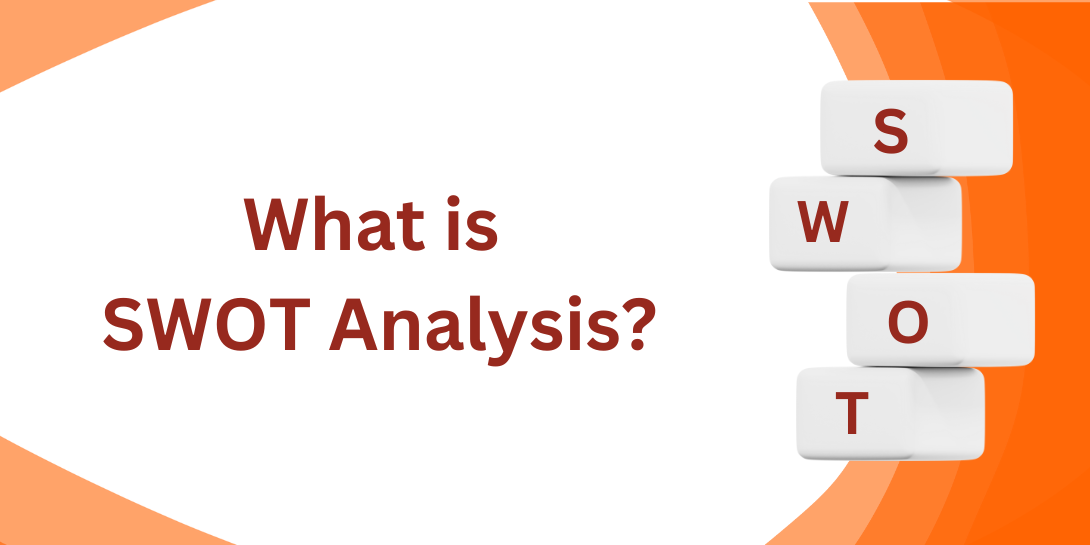
SWOT Analysis is a strategic planning tool used to identify an organization’s internal strengths and weaknesses, as well as its external opportunities and threats. It helps businesses assess their current position in the market and make informed decisions to achieve growth.
SWOT Analysis is a framework that helps businesses or individuals evaluate their current situation by breaking it down into four categories: Strengths, Weaknesses, Opportunities, and Threats. This structured approach provides a clear overview of factors both internal (strengths and weaknesses) and external (opportunities and threats) that impact performance.
Strengths represent the advantages a business has over its competitors, while weaknesses highlight areas needing improvement. Opportunities are external chances for growth or improvement, and threats are external factors that could harm the business. SWOT Analysis is widely used in business strategy, marketing, project management, and even personal development.
By analysing these factors, companies can develop strategies that leverage strengths, address weaknesses, exploit opportunities, and mitigate threats. The simplicity and clarity of SWOT make it an essential tool for businesses of all sizes.
SWOT Analysis is important because it allows businesses to gain a comprehensive understanding of their current situation, enabling better decision-making. This tool encourages a balanced approach by focusing on both internal and external factors.
Firstly, it helps in identifying strengths that the business can capitalize on. Knowing what sets you apart from competitors allows you to build on those aspects. Secondly, it highlights weaknesses, which are areas that require improvement. Addressing these weaknesses can lead to enhanced operational efficiency. Furthermore, SWOT Analysis uncovers potential opportunities in the market that businesses might not have been aware of, allowing them to exploit these prospects for growth. Finally, identifying threats early on can help businesses develop strategies to minimize risks.
The importance of SWOT Analysis lies in its ability to provide a structured way to assess complex situations, encouraging businesses to take proactive steps towards long-term success.
Strengths are the internal factors that give an organization an advantage over its competitors. These can include strong brand recognition, a loyal customer base, proprietary technology, or a skilled workforce. Identifying strengths helps in leveraging these advantages to achieve better results.
Weaknesses are the internal factors that can hinder the organization's performance. These may include limited resources, lack of expertise, outdated technology, or inefficient processes. Recognizing weaknesses is crucial for addressing them and improving the organization's overall performance.
Opportunities are external factors that can be beneficial for the organization. These can include market trends, technological advancements, regulatory changes, or shifts in consumer behaviour. Identifying opportunities allows the organization to capitalize on them and grow.
Threats are external factors that can negatively impact the organization. These may include competition, economic downturns, changes in legislation, or shifts in market demand. Recognizing threats helps in preparing contingency plans and mitigating potential risks.
By conducting a SWOT analysis, organizations can gain a comprehensive understanding of their current situation and make informed decisions about their future strategies. This tool helps in identifying areas for improvement, capitalizing on strengths, seizing opportunities, and preparing for potential threats.
Here’s a step-by-step guide on how to conduct a SWOT analysis:
By following these steps, organizations can effectively conduct a SWOT analysis, gain valuable insights, and make informed decisions to achieve their goals.
One of the most common mistakes in preparing a SWOT Analysis is being too vague. Specific details are crucial to fully understanding each component. Another common error is overemphasizing strengths while underestimating weaknesses. This leads to an unbalanced view of the company’s actual position. Additionally, many businesses fail to update their SWOT Analysis regularly. The market environment is constantly changing, so SWOT should be revisited periodically to remain relevant. Businesses may also focus too much on threats and weaknesses, overlooking opportunities that could lead to growth.
Another mistake is treating SWOT as a mere listing exercise without any actionable insights. It is essential to use the information from the analysis to develop strategies for improvement.
SWOT Analysis offers several benefits that make it an essential tool for strategic planning.
Let's consider a SWOT analysis for a hypothetical smartphone company, SmartTech, which is planning to launch a new product line.
|
Factors |
Description |
|
Strengths |
Strong Brand Recognition Innovative Technology |
|
Weaknesses |
Limited Market Reach High Production Costs |
|
Opportunities |
Growing Smartphone Market Emerging Markets |
|
Threats |
Intense Competition Rapid Technological Changes |


Copper is a widely used base metal known for its electrical and thermal conductivity, strength, ductility and corrosion resistance. It is used across electrical wiring, construction, machinery, power infrastructure and several industrial applications.
 272 views
 2 minutes
 09 Oct 2026
Natural Gas is a widely traded energy commodity used for electricity generation, industrial activity, heating and other applications. Its prices can react sharply to weather, supply and demand, inventories, global energy markets and geopolitical developments.
473 views
1 minutes
30 Sep 2026
Gold is more than a precious metal. It is a safe-haven asset, investment avenue, central-bank reserve asset and industrial commodity. For a commodity trader, understanding both Gold's fundamentals and the contract being traded is important.
590 views
3 minutes
23 Sep 2026

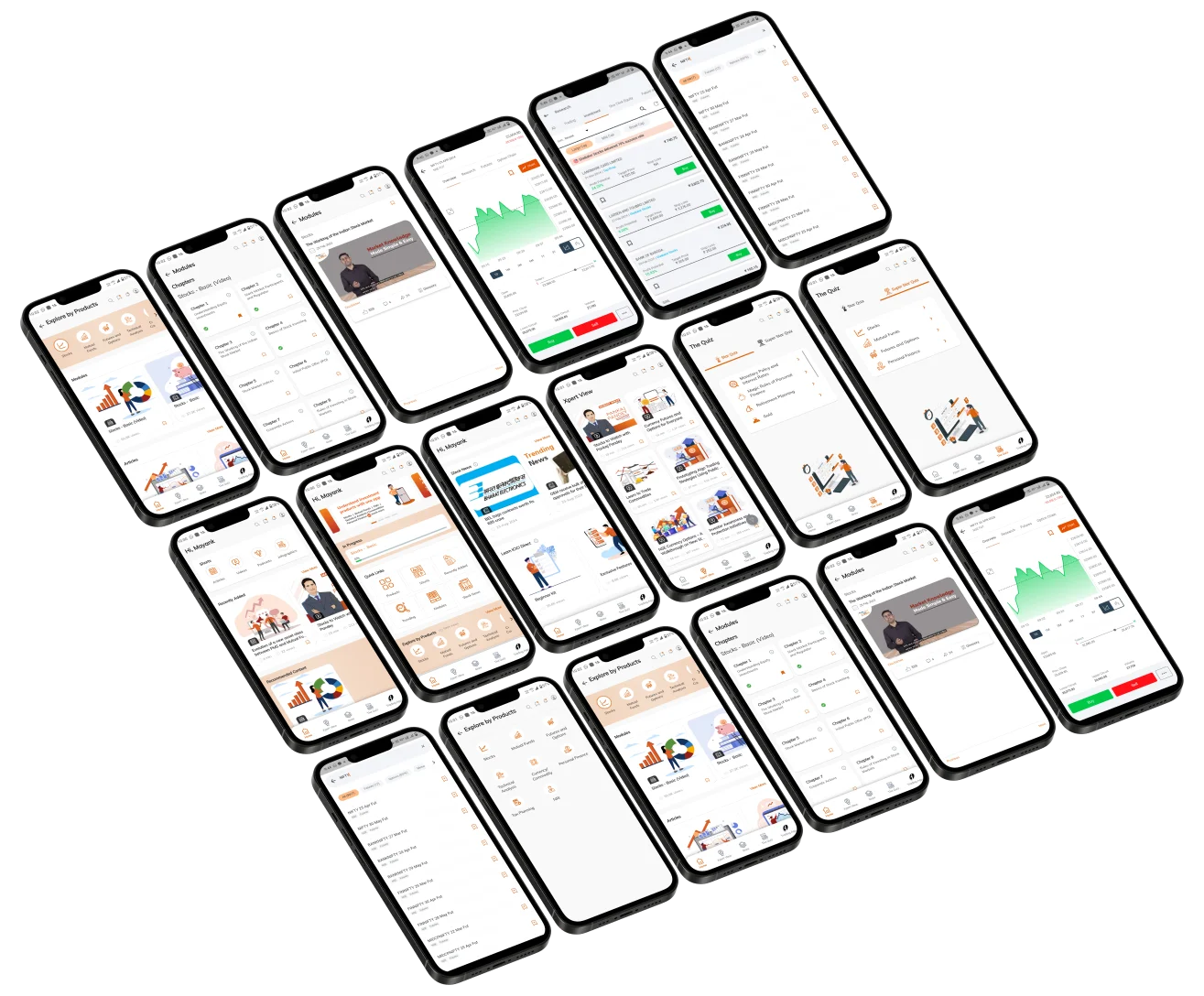
Elevate Your Financial Knowledge with the
ICICI Direct iLearn App
Elevate Your Financial Knowledge with the
ICICI Direct iLearn App
