





Download
iLearn application
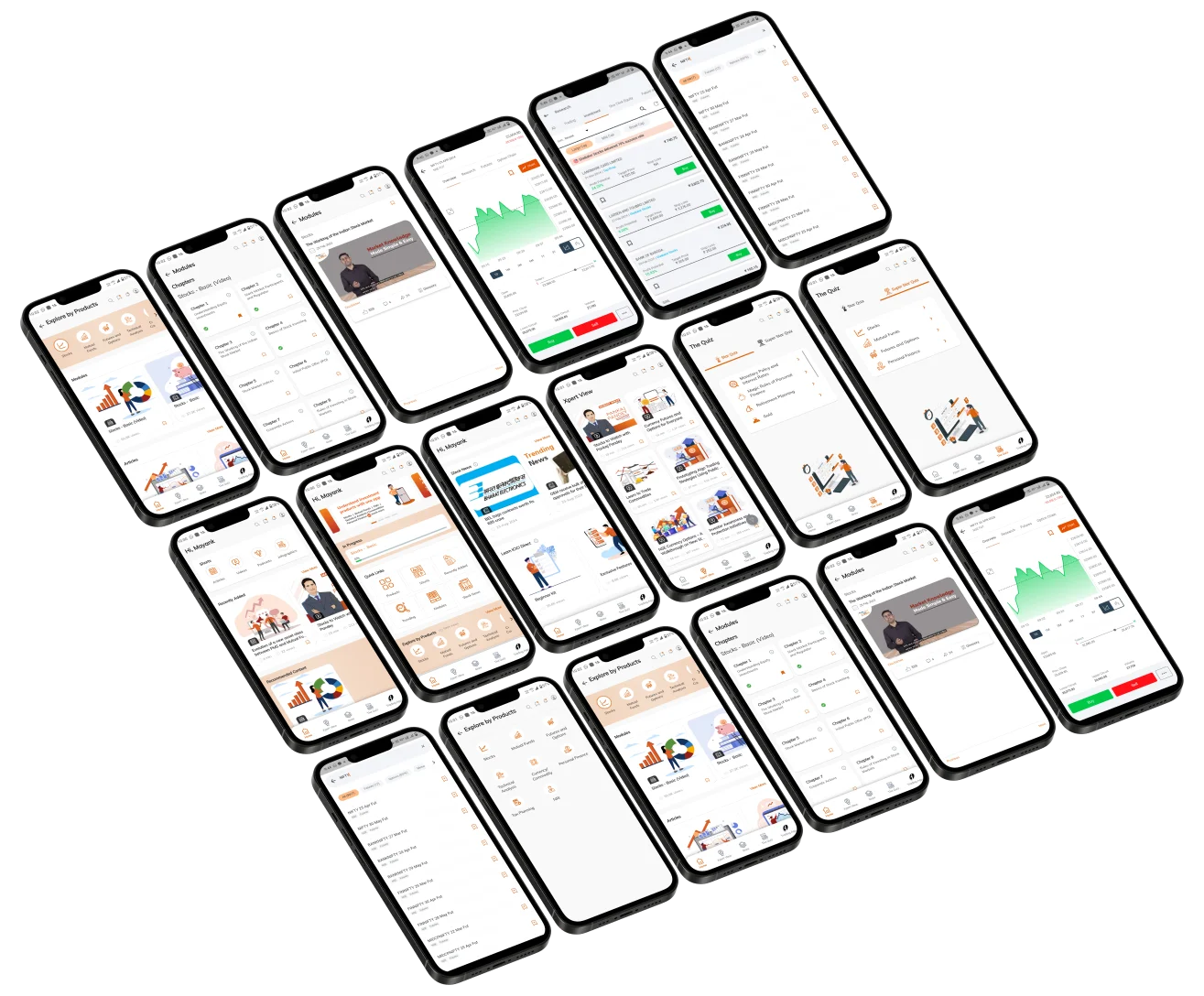
Elevate Your Financial Knowledge with the
ICICI Direct iLearn App





Technology advancement has impacted everything around us. Stock market or commodity market is not averse to fast-advancing technology. A physical trading system is a thing of the past as you can easily carry out any trade by placing a call to the trading executives of your discount broking house. This is known as a call and trade service. You can use call and trade services for trading in any type of asset, including commodities.
If you have access to the internet, you can execute any trade yourself. However, if you don’t have access, you can still carry out the trade by calling your broker.
When you call a discount broker and place an order for trade, the broker executes the trade on your behalf. Once the trade is executed, the broker charges you a certain amount for providing this service. In other words, the broking house levies call and trade charges in lieu of providing call and trade service. These charges are levied on a per-trade basis and deducted from your trading account. On the other hand, if you execute the trade on your own, you don’t have to pay any call and trade charges.
You can think of it as a convenience fee that you pay for getting the opportunity to trade from the comfort of your home by calling a trading executive at the broking house. The call and trade charges are not inclusive of GST. Broking houses are free to levy their own call and trade charges for every trade you undertake through the call and trade service.
When you buy a commodity, for example, and sell it on the same day, it is known as intraday trading. Auto square-off charges are a term associated with intraday trading. There are two components of an intraday trade: open position-- when commodities have been bought and the trade has been established and closed position-- when they are sold and the trade is closed.
Suppose you have established a trade and placed an order for intraday trading. If you fail to close the trade and sell the commodities within the specified timeframe, the broking house squares off or closes your trade. Such squared-off trades are also considered as a call and trade order and the broking house levies auto square-off charges in lieu of providing the service.
Every broking house specifies the cut-off time for closing trades, and as an intraday trader, you need to complete the trade within the cut-off time to avoid paying auto square-off charges. These charges are not inclusive of GST and are directly deducted from your trading account.
While call and trade is a convenient facility you can avail for trading in commodities, check with the broking house how about the exact charges to avoid any last-minute surprises.


Gold can react to inflation data, while crude oil may jump after an inventory report or geopolitical disruption.
 352 views
 4 minutes
 21 Jul 2026
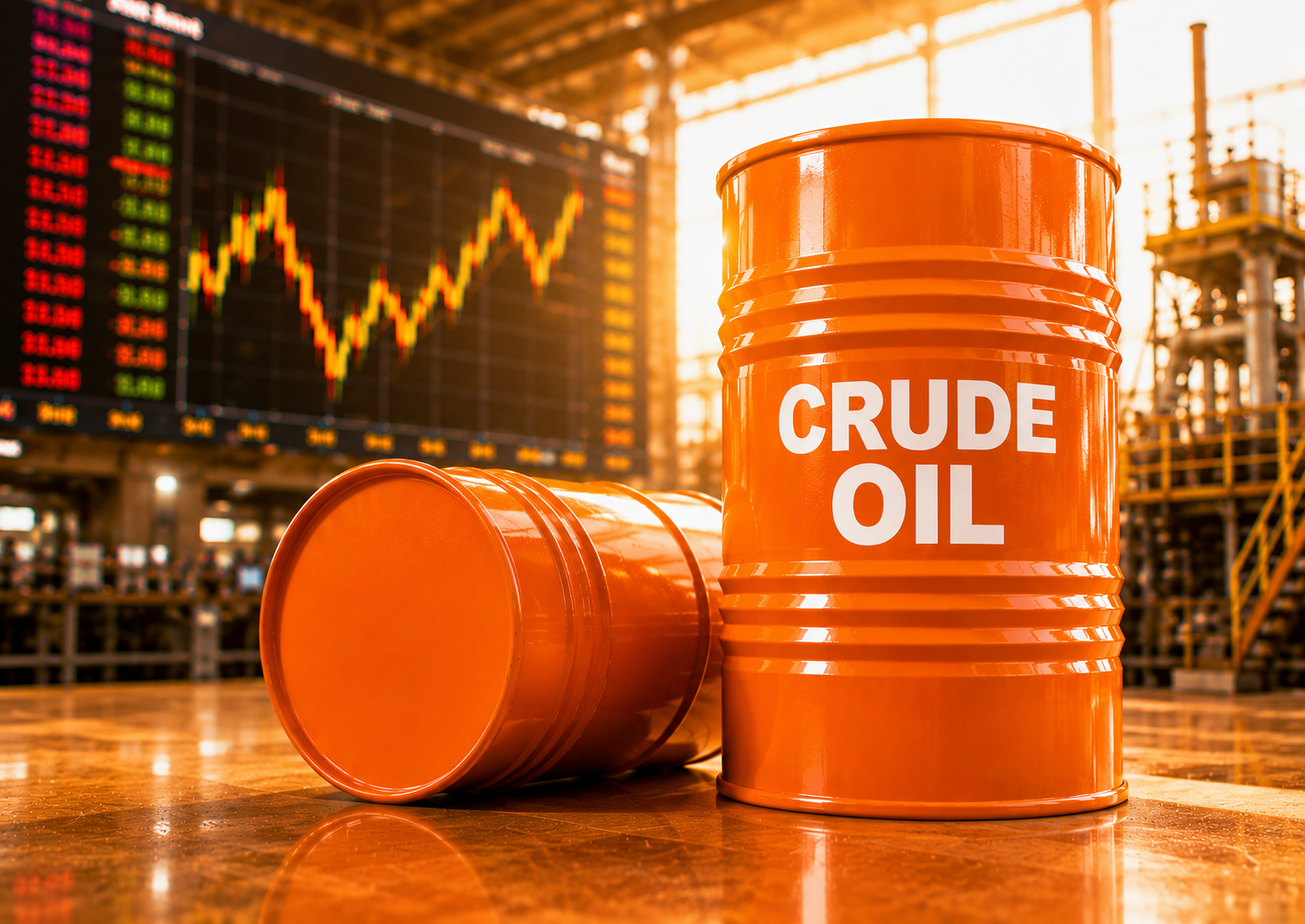
Understand how crude oil trading works on MCX and also learn about contract sizes, expiry, trading hours, global benchmarks, price drivers and risks before you trade.
585 views
2 minutes
20 Jul 2026
Learn how to calculate the break-even point in commodity trading by factoring in brokerage, taxes, and other charges
1 k views
1 minutes
01 Jul 2026
Elevate Your Financial Knowledge with the
ICICI Direct iLearn App
Elevate Your Financial Knowledge with the
ICICI Direct iLearn App
