






Download
iLearn application
Elevate Your Financial Knowledge with the
ICICI Direct iLearn App





In the world of finance, futures contracts occupy a special position. Unlike other trades that get completed in real time, futures trades occur at a later date on a pre-determined price. The parties agree on the specific time and the price while entering into a futures contract. Every futures contract is guaranteed by the exchange, which enables buyers and sellers to trade them freely.
Futures trading in India can be executed for various assets such as stocks, indices, commodities, currencies, etc. You can carry out futures trading in around 120 commodities belonging to sectors such as metals, agriculture, precious metals, energy, and services. To trade in commodity futures, you can opt for either of these exchanges, National Commodity and Derivative Exchange (NCDEX), Multi Commodity Exchange of India (MCX, and National Multi Commodity Exchange of India.
The commodity trading taxation is a vital aspect to take into account if you are planning such a trade. As per the current laws, profits from commodity trading don’t attract capital gains tax. However, any profits from commodity trading are considered part of your business income and taxed as per the relevant slab of the Income Tax Act.
The pricing of such contracts is not very straightforward as it depends on the cost of the underlying security. The cost of a futures contract appreciates if the cost of the underlying security increases, and the reverse also holds true. Since the cost is not always equal to the value of the asset, it can be difficult to determine the exact price. This can also result in the same contract being traded at different prices.
The futures pricing formula is a useful tool that helps traders understand how the price of a futures contract will be impacted due to any changes in the market. The mathematical representation of this formula is:
Futures Price = Spot price *(1+ rf – d)
The difference between the spot price and the futures price is known as the Spot-Future parity. The difference arises due to various factors such as interest rates, dividends, and the expiry date of the contract.
The futures pricing formula can be further adjusted to account for the time left for a futures contract to expire. A modified version of the formula is:
Futures Price = Spot price * [1+ rf*(x/365) – d]
Here, x refers to the number of days left for the contract to expire.
Using the modified futures pricing formula helps you to determine the ‘fair value’ of the contract.
Now that you have learned how futures pricing works, it is time to start the trade in the futures segment.


Gold can react to inflation data, while crude oil may jump after an inventory report or geopolitical disruption.
 447 views
 4 minutes
 21 Jul 2026
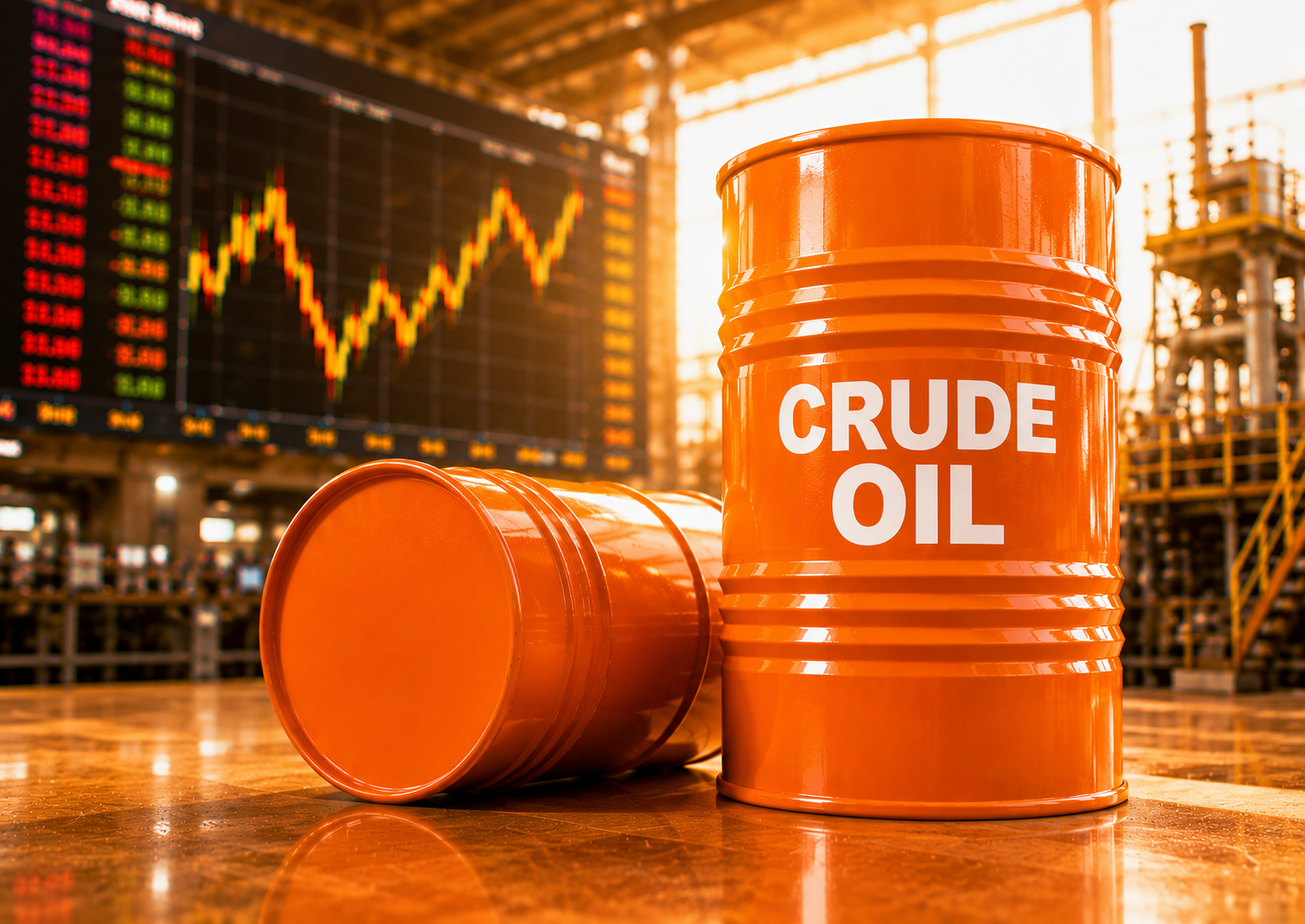
Understand how crude oil trading works on MCX and also learn about contract sizes, expiry, trading hours, global benchmarks, price drivers and risks before you trade.
660 views
2 minutes
20 Jul 2026
Learn how to calculate the break-even point in commodity trading by factoring in brokerage, taxes, and other charges
1 k views
1 minutes
01 Jul 2026


Elevate Your Financial Knowledge with the
ICICI Direct iLearn App
Elevate Your Financial Knowledge with the
ICICI Direct iLearn App
