






Download
iLearn application
Elevate Your Financial Knowledge with the
ICICI Direct iLearn App





IPOs are as old as the history of the stock market. The precursor to IPOs is the publicani shares in the Roman Republic. Publicani were joint venture companies formed for specific projects, backed by the authorities. The citizens of the Roman Republic would hold shares of these companies in exchange for providing funds to cover a percentage of the project's cost. IPOs gained popularity in their modern form with the Dutch East Indies Company, which issued shares publicly throughout its history. This practice was taken up by the other East Indies companies soon after. By the late 19th century, IPOs were commonplace, with large banks such as the Bank of North America offering its shares in 1783.
Initial public offering or IPO is when private companies convert themselves into public companies. Private companies have a few shareholders at the start. When they go public, it means they allow more investors to participate in the future growth by offering new shares to them. A private company offers a percentage of its shares for public trade, allowing it to garner more capital in the process. IPO is generally done by companies who have already established themselves in the sector they belong to.
IPO allotment refers to the allotment process by which shares are allocated to investors. IPO allotment process can be further classified into two cases, as follows:
Once the IPO allotment process is complete, the company's registrar in question confirms the allotment of shares to successful bidders by the next seven days. The IPO allotment status can be checked in the following manner:
The process of checking Paytm IPO share allotment status is similar to checking other IPO allotment status. It can be done in the following ways:
Checking the allotment status of Paytm or any other company is a straightforward and straightforward process, requiring little effort on the part of the investors.


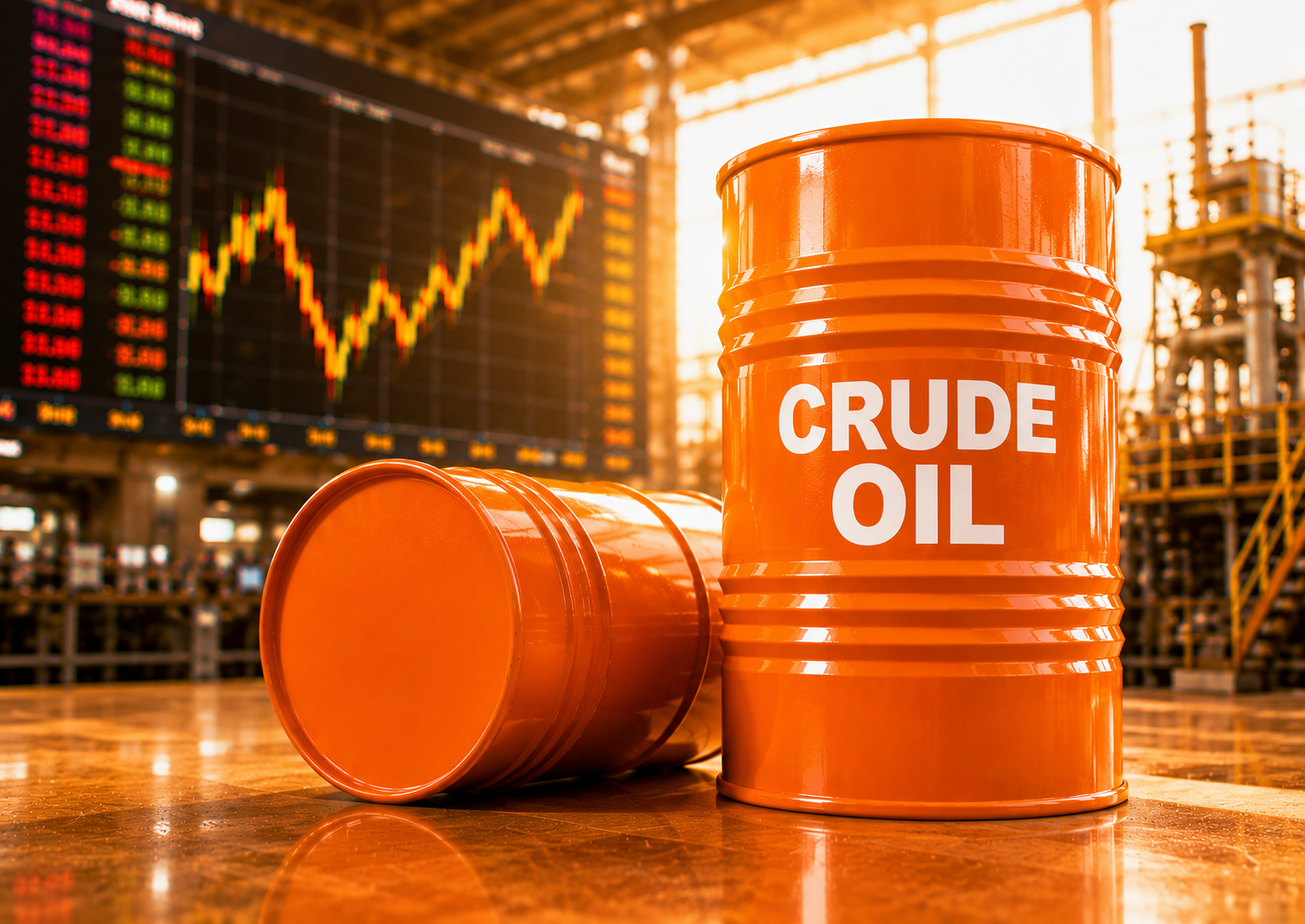
Gold can react to inflation data, while crude oil may jump after an inventory report or geopolitical disruption.
 479 views
 4 minutes
 21 Jul 2026
Understand how crude oil trading works on MCX and also learn about contract sizes, expiry, trading hours, global benchmarks, price drivers and risks before you trade.
686 views
2 minutes
20 Jul 2026
Learn how to calculate the break-even point in commodity trading by factoring in brokerage, taxes, and other charges
1 k views
1 minutes
01 Jul 2026

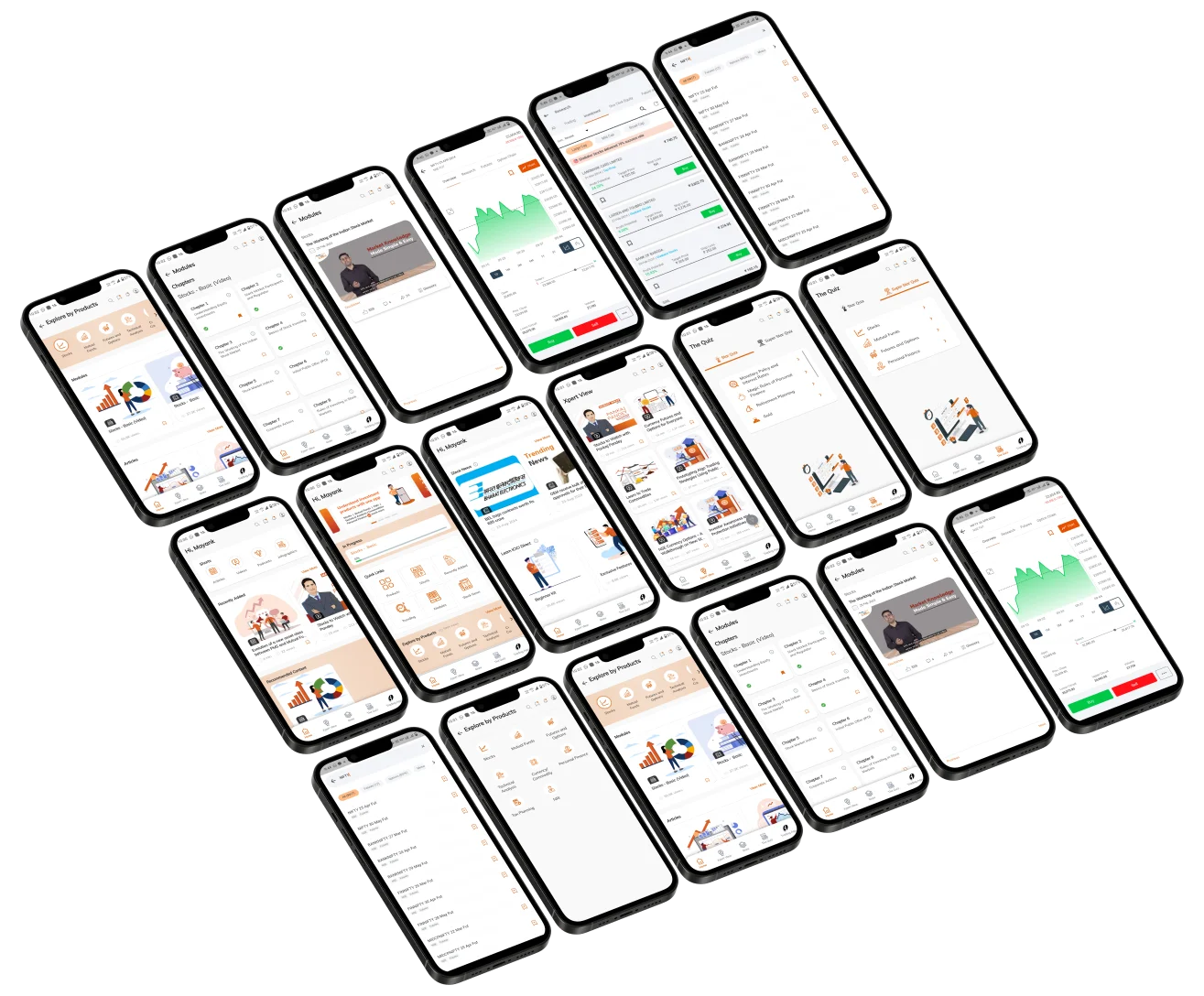
Elevate Your Financial Knowledge with the
ICICI Direct iLearn App
Elevate Your Financial Knowledge with the
ICICI Direct iLearn App
