




Download
iLearn application
Elevate Your Financial Knowledge with the
ICICI Direct iLearn App





Whenever we hear the word ‘trading’, what comes to our minds immediately is the stock market. Investors acquire and trade in company stocks on stock exchanges. As an investor you can trade in the commodity market as well which involves buying and selling commodities.
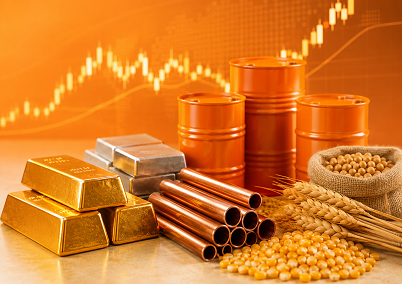
There are four broad categories of commodities in which you can trade, just the way you trade in stocks.
There exist two different categories of trading -- spot and derivative.
The commodity in the spot market is transacted with the intention of physical delivery taking place immediately or within a few days. These transactions are typically settled within a timeframe of two days, and, therefore, more exposed to price fluctuations.
With respect to derivative trading in commodities, the transactions take place by way of contracts such as futures and options. Herein, the 'derivative' is referred to the underlying commodity on whose price movements the trading will take place as per the specific contract. On maturity of the contract, you have the option to either take the physical delivery of the commodity or settle it in cash, depending on the specifics of the contract.
There are two types of commodity contracts in the commodity market in India. These are explained below:
An important point to remember is that in the commodities market an upward price trend benefits the buyer whereas a downtrend benefits the seller. Considering both futures and options contracts lock in the price at which the trading of a particular commodity will take place, the price movement is the only matrix which would define profit or losses for the parties.
For example, if you are trading on gold for Rs 50,000 for 100 gm, and the price increases to Rs 52,000 the next day, as a buyer of the contract you will benefit as the purchase of gold through this contract will render you with a profit of Rs 2,000 on 100 gm. However, as a seller of this contract, you will suffer a loss and not be able to take advantage of the higher market price because of the contract strike price of Rs 50,000.
While the commodity market is an efficient avenue to invest in for diversification of your portfolio, it is commonly undertaken by speculators who wish to earn short-term profits and exit. To fully understand how the commodity market works, you will require experience and close monitoring of the commodity prices. Making money through the commodity market needs expertise in the commodity you trade. It is highly advised that before venturing into this sector, you gain sufficient knowledge from an expert about the commodity you wish to trade in and monitor its price movements.
URLs Used for Research
What is Commodity Trading - Definition, Advantages & History (samco.in)
Commodity Options : All About Commodity Options | Angel Broking


Gold can react to inflation data, while crude oil may jump after an inventory report or geopolitical disruption.
 436 views
 4 minutes
 21 Jul 2026
Understand how crude oil trading works on MCX and also learn about contract sizes, expiry, trading hours, global benchmarks, price drivers and risks before you trade.
648 views
2 minutes
20 Jul 2026
Learn how to calculate the break-even point in commodity trading by factoring in brokerage, taxes, and other charges
1 k views
1 minutes
01 Jul 2026

Elevate Your Financial Knowledge with the
ICICI Direct iLearn App
Elevate Your Financial Knowledge with the
ICICI Direct iLearn App
