


-202610121017596081271.jpg)




Download
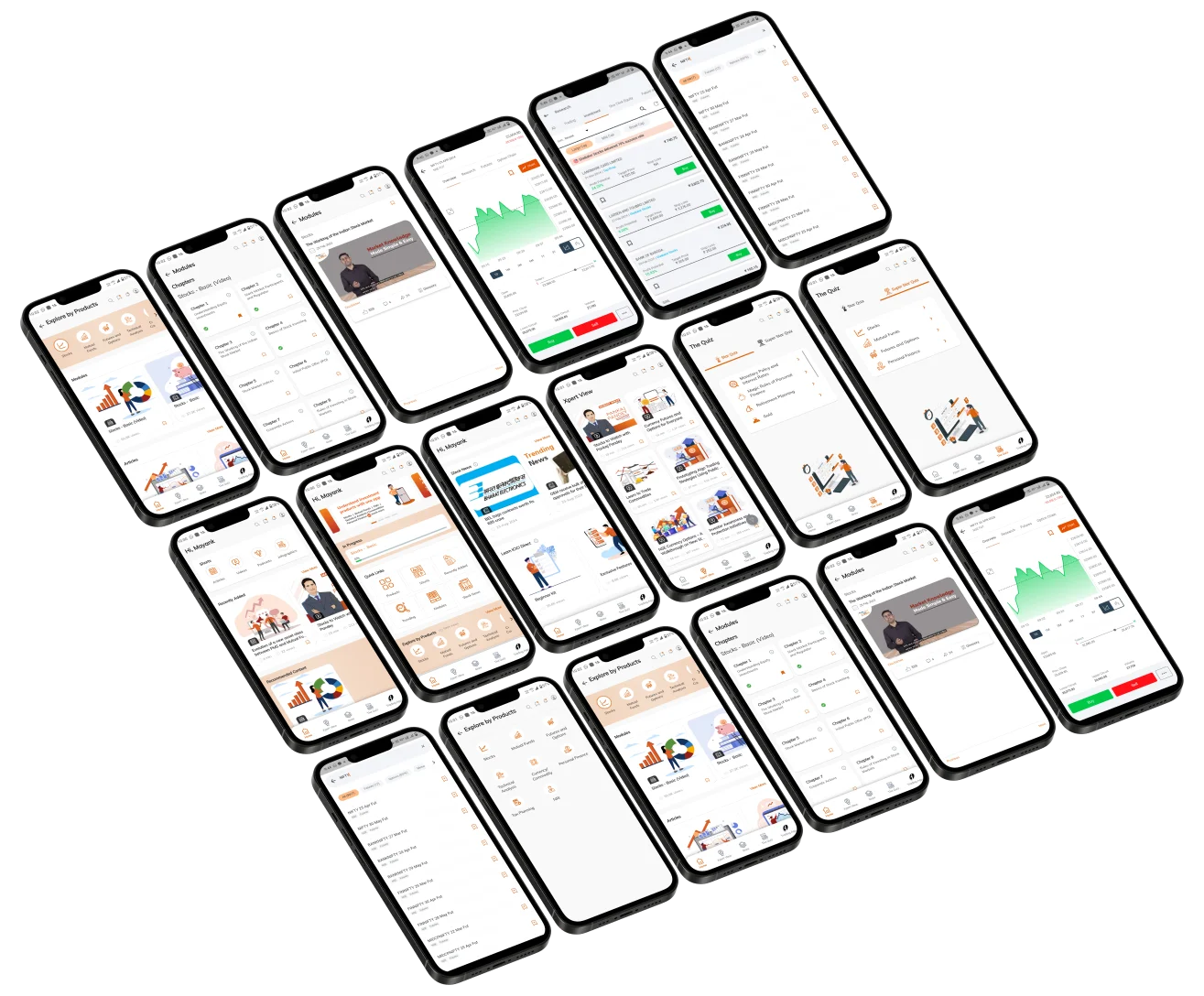
iLearn application
Elevate Your Financial Knowledge with the
ICICI Direct iLearn App





Planning for the second inning of life is crucial for achieving financial independence in your golden years, and it requires a well-thought-out strategy tailored to meet future needs.
In this article, we cover the essentials of retirement planning: when to start, key considerations, types of investments, and tips to help you build a secure and comfortable retirement fund. So, if retirement planning is on your mind, this is your first investment towards achieving it.
Retirement Planning is the process of designing a financial plan to ensure a comfortable lifestyle after retirement. It involves saving money over time and investing those savings wisely to generate income during retirement.
In fact, it is more than just saving. It is about preparing for a financially independent life when you are no longer working full-time. It considers various aspects like estimating the total corpus required to maintain your lifestyle, planning for healthcare, managing debts, and choosing the right investment mix to grow your savings.
The best time to start retirement planning is NOW. Most people believe that since retirement years have time, the goal can be parked, and they can start later. If you think the same, you must note that retirement corpus will be your biggest goal - even bigger than buying a house, so it accumulates the fund, you need to start now.
The earlier you start, the better it is - when you start early, you allow compounding to help you achieve your corpus, even with a small investment. The logic is simple. The longer your investments have to grow, the larger the compounding effect, which is essentially earning returns on previous returns.
For example, someone who invests Rs 5,000 monthly at an annual 12% return from age 25 could potentially accumulate a significantly larger corpus than someone who starts investing the same amount at age 35.
Let us look at the complete journey of retirement planning in India:
You need to know your current expenses, inflation (usually considered 6%), and returns expected on your investments. Once you have these data, you can use an online retirement calculator to find your retirement corpus.
Alternatively, here is a step-by-step guide for you:
Estimate your monthly expenses in today's terms and then adjust for inflation. Let us say your current monthly expenses are Rs 50,000.
Assume an average inflation rate of 6% per year. Use the formula:
Future Monthly Expenses = Current Monthly Expenses × (1 + Inflation Rate ) ^ Years until Retirement
If you plan to retire in 25 years, the calculation would be:
So, you would need approximately Rs 2,14,595 per month to maintain your current lifestyle when you retire in 25 years.
Multiply the monthly expenses by 12 to get the annual expenses:
Annual Expenses = Rs 2,14,595 * 12 = Rs 25,75,140
Now, estimate the corpus you will need to fund these expenses throughout your retirement. Let us assume you plan for a 20-year retirement period and expect to earn a post-retirement return of 6% annually (equal to inflation, to keep purchasing power constant).
Since the returns are only balancing inflation, you can use a simple multiplication:
Therefore, you would need a retirement corpus of approximately Rs 5.15 crore to sustain your lifestyle for 20 years post-retirement.
You can use a SIP calculator to determine how much you need to invest every month to accumulate Rs 5.15 in 25 years.
Here are some of the best plans you may consider
If you are still delaying your retirement planning, we hope the article has made you realize, you need to start now. Retirement planning ensures you can maintain financial stability and a comfortable lifestyle even when you're no longer earning.
By starting early, setting realistic goals, choosing the right investment mix, and regularly reviewing your plan, you can build a retirement fund that provides security and peace of mind for the future. Retirement planning is not just a financial necessity; it is a roadmap to enjoying your post-work years with independence and freedom.


Copper is a widely used base metal known for its electrical and thermal conductivity, strength, ductility and corrosion resistance. It is used across electrical wiring, construction, machinery, power infrastructure and several industrial applications.
 272 views
 2 minutes
 09 Oct 2026
Natural Gas is a widely traded energy commodity used for electricity generation, industrial activity, heating and other applications. Its prices can react sharply to weather, supply and demand, inventories, global energy markets and geopolitical developments.
473 views
1 minutes
30 Sep 2026
Gold is more than a precious metal. It is a safe-haven asset, investment avenue, central-bank reserve asset and industrial commodity. For a commodity trader, understanding both Gold's fundamentals and the contract being traded is important.
590 views
3 minutes
23 Sep 2026

Elevate Your Financial Knowledge with the
ICICI Direct iLearn App
Elevate Your Financial Knowledge with the
ICICI Direct iLearn App
