


-202610121017596081271.jpg)




Download
iLearn application
Elevate Your Financial Knowledge with the
ICICI Direct iLearn App





The National Pension Scheme, or NPS, is a popular retirement investment option in India. It allows subscribers to select different asset classes and investment options. So, today let us understand the different NPS investment options in detail.
Before selecting the type of NPS investment choices, it is important for the subscribers to select the available asset classes. These classes define the maximum allocation percentage of the funds to the different fund managers. Given below are the top four NPS asset classes:
It includes instruments like InvITs, REITS, or MBS, and other alternative investment funds. It has a maximum allocation of 5%.
It includes government bonds and related instruments. It has a maximum allocation limit of 100%.
It includes corporate debt and other related instruments. It has a maximum allocation limit of 100%.
It includes equity and other related instruments with a maximum allocation of 75%.
After selecting the asset class, the next step for the NPS subscribers is to select the PFM in NPS. These Pension Fund Managers invest the collected funds into asset classes based on the investment objective and guidelines. Further, PFMs conduct periodic reviews to check the performance of the underlying assets.
The active choice is the individual fund, while the auto choice is the lifecycle fund. NPS subscribers can go through all details and the four asset classes, i.e., Asset Class-E, Asset Class-C, Asset Class-G, and Asset Class-A.


Copper is a widely used base metal known for its electrical and thermal conductivity, strength, ductility and corrosion resistance. It is used across electrical wiring, construction, machinery, power infrastructure and several industrial applications.
 224 views
 2 minutes
 09 Oct 2026
Natural Gas is a widely traded energy commodity used for electricity generation, industrial activity, heating and other applications. Its prices can react sharply to weather, supply and demand, inventories, global energy markets and geopolitical developments.
398 views
1 minutes
30 Sep 2026
Gold is more than a precious metal. It is a safe-haven asset, investment avenue, central-bank reserve asset and industrial commodity. For a commodity trader, understanding both Gold's fundamentals and the contract being traded is important.
537 views
3 minutes
23 Sep 2026

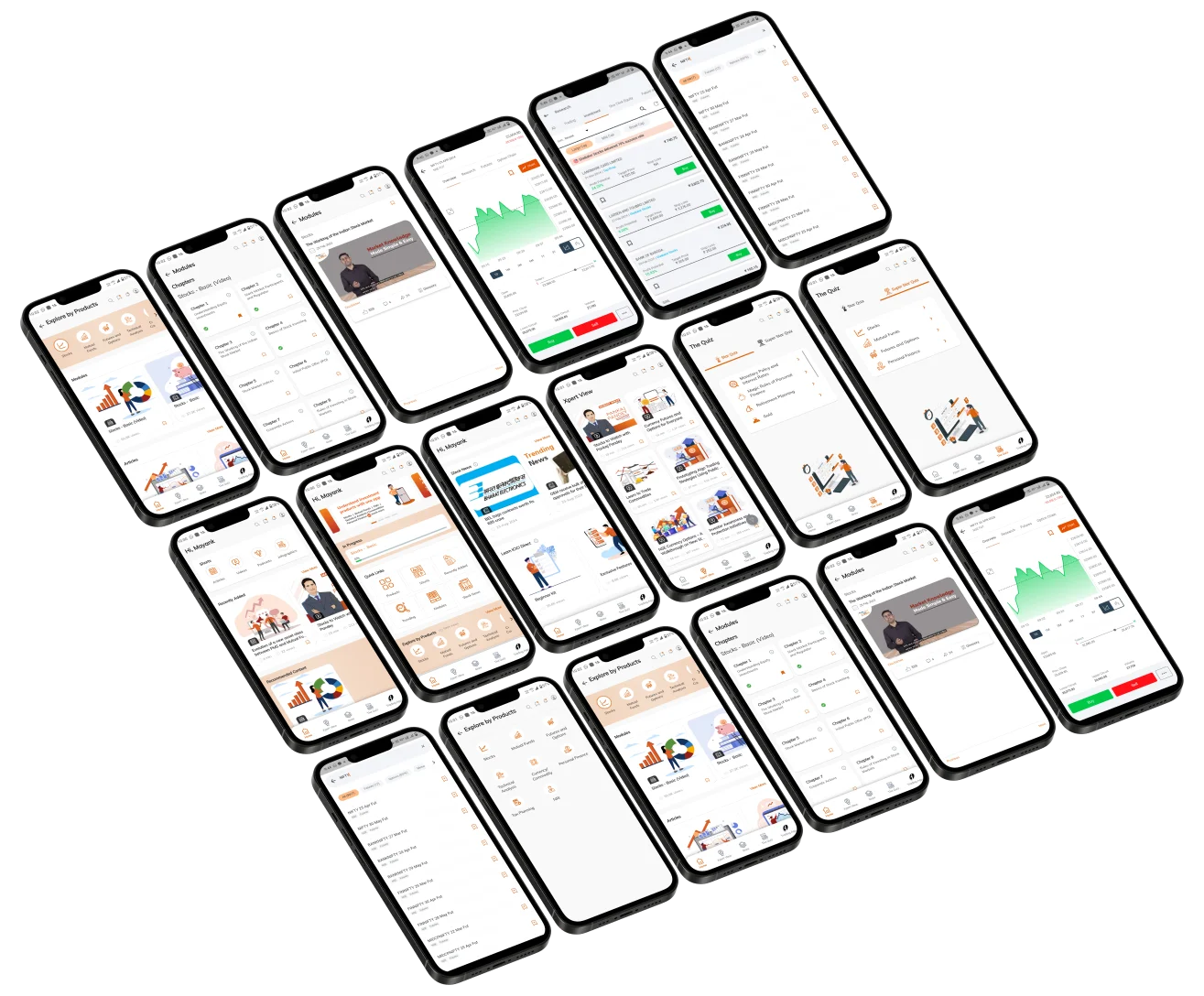
Elevate Your Financial Knowledge with the
ICICI Direct iLearn App
Elevate Your Financial Knowledge with the
ICICI Direct iLearn App
