



-202610121017596081271.jpg)



Download
iLearn application
Elevate Your Financial Knowledge with the
ICICI Direct iLearn App




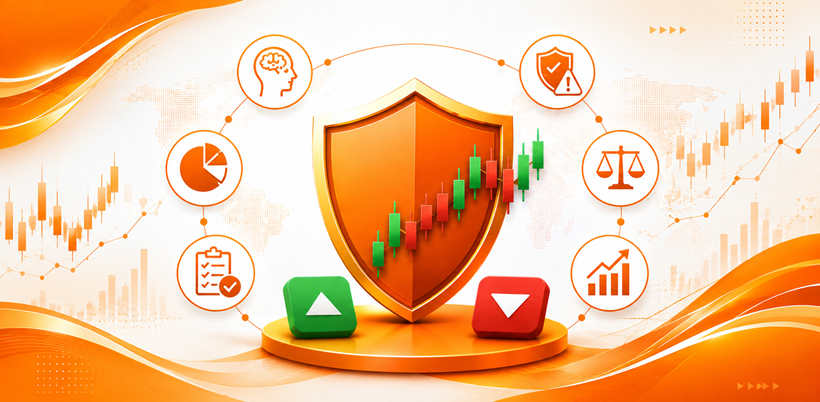
A complex instrument like F&O demands preparation. Before you step in, get familiar with the key concepts that can help you analyse the market.
Here’s a simple breakdown of what every beginner must know before placing their first trade:
F&O allows you to take large positions with a smaller upfront margin. This is called leverage
Why it matters:
Tip: Always know your position size, margin requirements and possible loss before entering a trade.
Implied volatility reflects the markets expectations of future price movement and plays a major role in option pricing. Higher IV means higher option premiums, lower IV makes options cheaper.
Why it matters:
Tip: As a beginner, avoid buying options when Implied Volatility is extremely high. Focus on understanding how IV impacts option prices before taking larger positions.
This is a critical component that protects your capital in the long run. Risk management in F&O goes beyond just placing a stop loss, it is also about knowing when to walk away even if the trade is in your favour.
Checklist to follow:
Tip: Profit comes later. Protecting capital comes first.
Before entering any trade, understand the potential reward against the risk you are taking
Why it matters:
A good risk-reward ratio (like 1:2/1:3) means you don’t have to win every trade
For example:
Let’s say you entered a trade with a risk-reward ratio 1:2,
Risk - ₹1000
Potential profit -₹2000
That means, even if only 4 out of 10 trades work in your favour, you can still be profitable overall.
Tip: Enter a trade only after knowing your potential profit/loss.
Options lose value as they get closer to the expiration date, this is called time decay (Theta).
Why it matters:
Tip: Always be aware of the contract expiry before entering a position.
The value of an Option depends on how close its strike price is to the current market price of the stock or index. In simple terms it explains why some options are expensive and others are cheap.
Options trading is called a zero-sum game because the money made by one trade comes from another trader’s loss.
Remember:
✔ Understand your position size and leverage
✔ Know the current volatility environment
✔ Enter with a predefined stop-loss
✔ Track the expiry date of your contract
✔ Start with small trades until you understand how F&O behaves
Before placing your first real F&O trade, try this simple exercise:
This helps you understand how F&O behaves without risking capital.


Understand contango in commodity trading, how futures prices differ from spot prices, and how financing, storage and insurance costs influence commodity pricing.
 109 views
 1 minutes
 19 Oct 2026
Copper is a widely used base metal known for its electrical and thermal conductivity, strength, ductility and corrosion resistance. It is used across electrical wiring, construction, machinery, power infrastructure and several industrial applications.
348 views
2 minutes
09 Oct 2026
Natural Gas is a widely traded energy commodity used for electricity generation, industrial activity, heating and other applications. Its prices can react sharply to weather, supply and demand, inventories, global energy markets and geopolitical developments.
588 views
1 minutes
30 Sep 2026

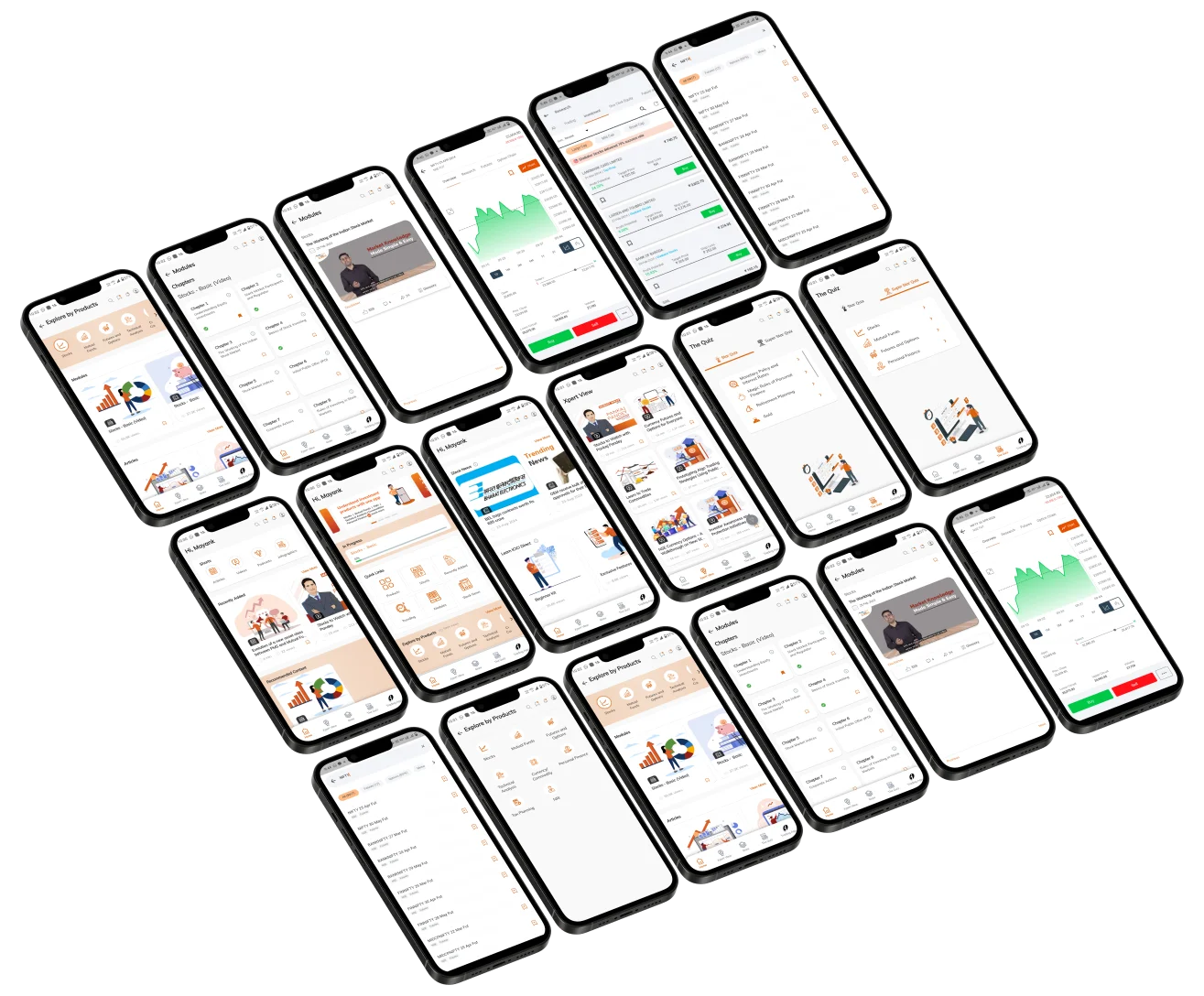
Elevate Your Financial Knowledge with the
ICICI Direct iLearn App
Elevate Your Financial Knowledge with the
ICICI Direct iLearn App
