


-202610121017596081271.jpg)


Download
iLearn application
Elevate Your Financial Knowledge with the
ICICI Direct iLearn App




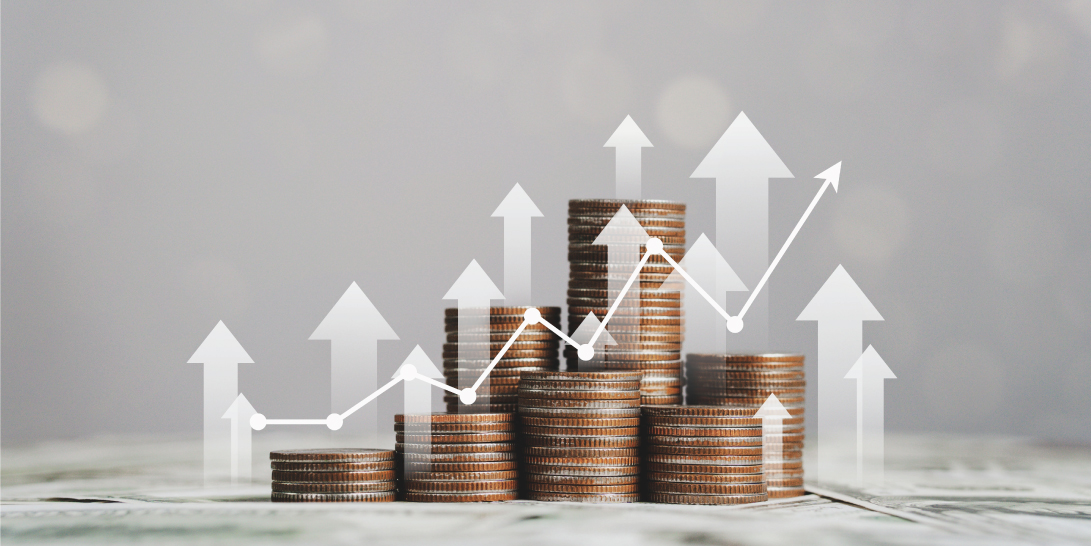
Market corrections can feel uncomfortable. When headlines scream about falling markets, many investors hesitate. But seasoned investors often look at these moments as opportunities rather than threats.
This approach is known as “Buying the dip.”
But here’s an important question:
When markets fall, what should you do?
Many investors try to identify ‘the best stock’ during market dips and not everyone wants to go through the time-consuming process of analysing fundamentals, valuations – and even then, outcomes are uncertain.
Instead, there’s a simpler approach: investing in Exchange Traded Funds (ETFs).
Imagine you are at a fruit market. If fruit prices fall suddenly because of a temporary supply issue, you have two options:
Option 1: Buy a single fruit.
You pick just one apple.
If that apple turns out to be bad, your entire purchase suffers.
Option 2: Buy a fruit basket
Instead of betting on a single fruit, you buy a basket containing apples, oranges, bananas, and grapes.
Even if one fruit isn’t great, the rest still provide value.
An ETF works exactly like this fruit basket and spreads your risk.
Markets fall due to short-term factors such as:
During such times, many stocks fall together. But predicting which stock will recover fastest is extremely difficult.
If you buy a single stock:
However, when you invest in an ETF, you are investing in an entire index or sector.
For example:
Instead of relying on one company, you can participate in the overall market recovery.
An ETF holds multiple stocks. So, the risk of one company performing poorly is reduced
Historically, markets tend to recover from corrections. ETFs allow you to participate in that recovery.
ETFs track well-known indices, so you know exactly what you are investing in.
ETFs trade on the exchange, just like shares, making them convenient to buy during market dips.
ETFs let you invest with a more balanced approach giving you diversification, simplicity and exposure to broader market recovery.
So, when markets fall, instead of asking “Which stocks should I pick?”
consider asking “How can I invest in the market as a whole?”


Copper is a widely used base metal known for its electrical and thermal conductivity, strength, ductility and corrosion resistance. It is used across electrical wiring, construction, machinery, power infrastructure and several industrial applications.
 124 views
 2 minutes
 09 Oct 2026
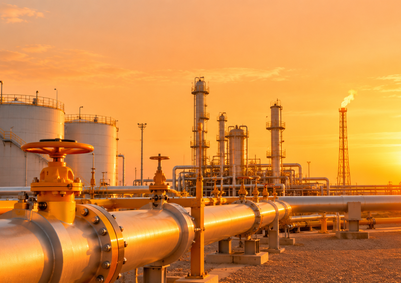
Natural Gas is a widely traded energy commodity used for electricity generation, industrial activity, heating and other applications. Its prices can react sharply to weather, supply and demand, inventories, global energy markets and geopolitical developments.
301 views
1 minutes
30 Sep 2026
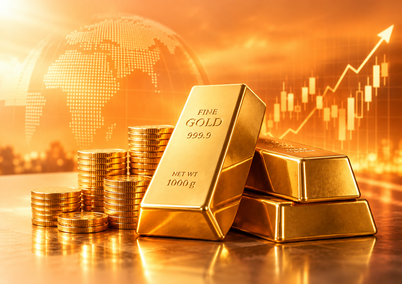
Gold is more than a precious metal. It is a safe-haven asset, investment avenue, central-bank reserve asset and industrial commodity. For a commodity trader, understanding both Gold's fundamentals and the contract being traded is important.
430 views
3 minutes
23 Sep 2026
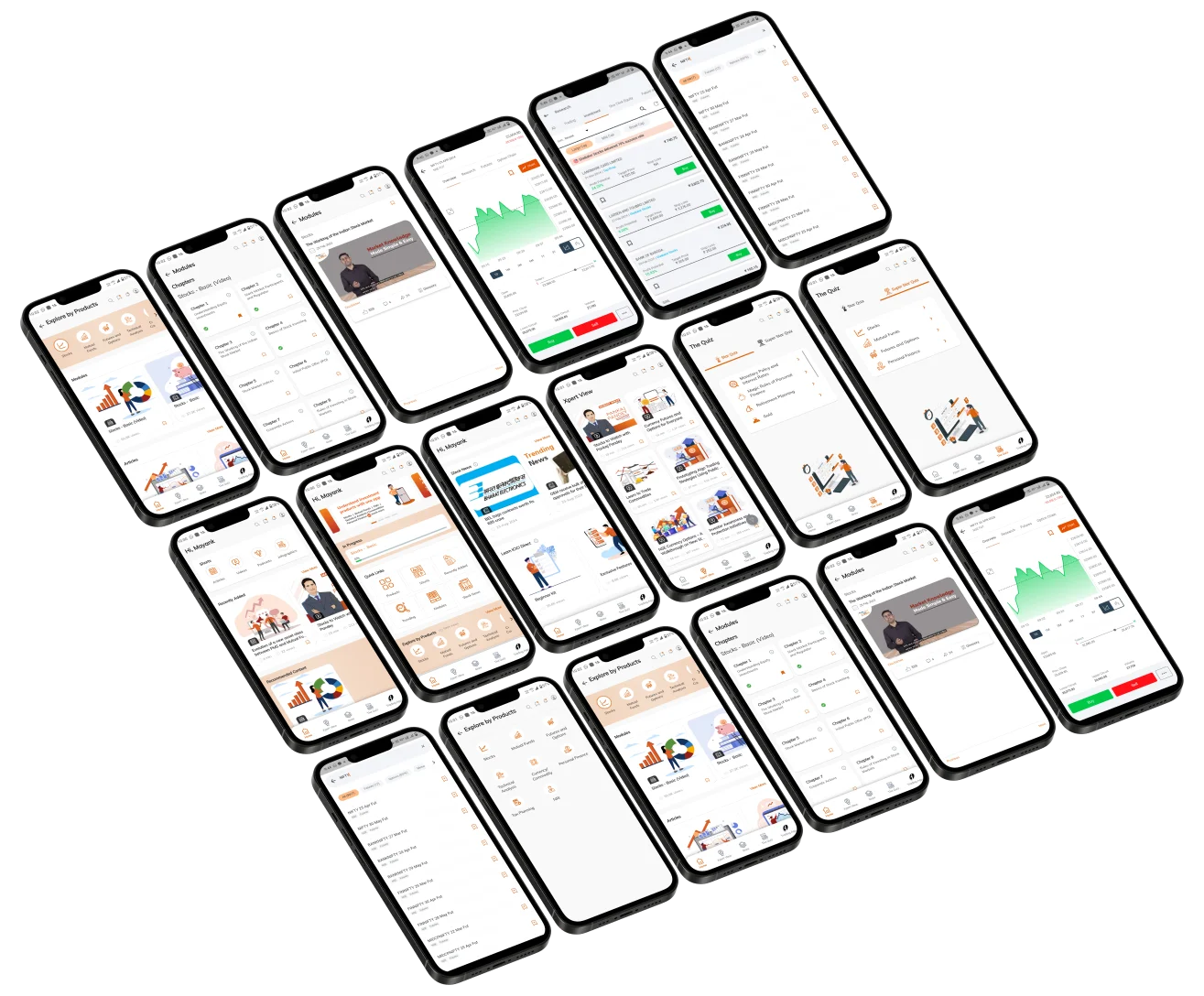
Elevate Your Financial Knowledge with the
ICICI Direct iLearn App
Elevate Your Financial Knowledge with the
ICICI Direct iLearn App
