



-202610121017596081271.jpg)



Download
iLearn application
Elevate Your Financial Knowledge with the
ICICI Direct iLearn App




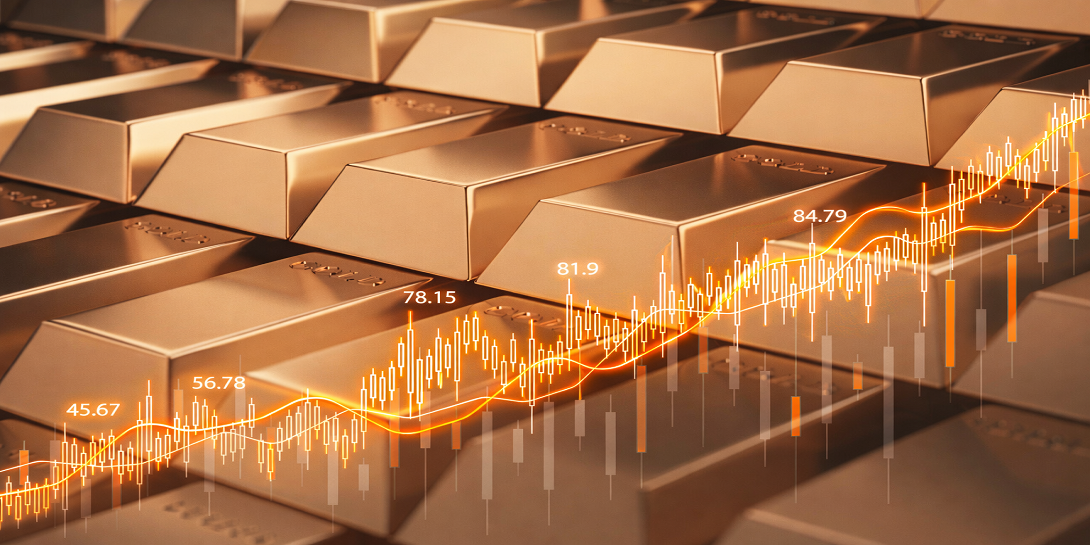
In the evolving financial landscape of 2026, diversifying your portfolio beyond equities is more accessible than ever. Through the Multi Commodity Exchange (MCX) investors can participate in global price movements and explore opportunities beyond equities. For beginners, before placing a trade, there is one key concept to understand. Contract variants - essentially the different contract sizes and types available for trade.
Commodities are traded in specific units called "lots." A variant refers to the contract's scale. For instance, while a standard “Gold” contract is for 1 kg, a "Gold Mini" variant allows trading in smaller denominations, i.e. 100 g, making it more accessible for retail investors with lower capital requirements.
Commodity Futures: An agreement to buy or sell at a predetermined price on a future date. Requires a margin deposit.
Commodity Options: An options contract gives the buyer the right, but not the obligation, to buy or sell an asset.
There are two types of options:
Call Option: Gives the buyer the right to buy a specific quantity of a commodity at a fixed price before or on a set expiry date.
Put Option: Gives the buyer the right to sell a specific quantity of a commodity at a fixed price before or on a set expiry date.
To get this right, the buyer pays an amount called the option premium to the seller.
The seller receives the premium (pays the margin) and is obligated to fulfill the contract if the buyer chooses to exercise it.
In short:
Buyer = Right, no obligation, Seller = Obligation, no right.
Bullion contracts such as gold and silver are among the most actively traded commodities. They are often used by investors to seek stability during uncertain market phases, hedge against inflation, and benefit from globally tracked price movements. Smaller contract variants make participation possible even with limited capital, making bullion a practical starting point for new commodity traders.
|
BULLION |
|||||
|
Future |
Option |
||||
|
Underlying Code |
Underlying Name |
Lot Size |
Underlying Code |
Underlying Name |
Lot Size |
|
GOLD |
GOLD |
1 kg |
GOLD |
GOLD |
1 kg |
|
GOLDMI |
GOLDMINI |
100 g |
GOLDMI |
GOLDMINI |
100 g |
|
GOLDTE |
GOLDTEN |
10 g |
SILVER |
SILVER |
30 kg |
|
GOLDGU |
GOLDGUINEA |
8 g |
SILMIN |
SILVERMINI |
5 kg |
|
GOLDPE |
GOLDPETAL |
1 g |
|
|
|
|
SILVER |
SILVER |
30 kg |
|
|
|
|
SILMIN |
SILVERMINI |
5 kg |
|
|
|
|
SILMIC |
SILVERMICRO |
1 kg |
|
|
|
|
SIL100 |
SILVER100 (Launching on 1st June 2026 on MCX) |
100 g |
|||
Watch Video: Commodity Variant: to know more about bullion variant
Watch Video: Silver 100
Energy and base metal commodities reflect the pulse of global economic activity. Prices in crude oil, natural gas, copper, aluminium and similar metals are influenced by industrial demand, infrastructure spending, geopolitical developments and currency movements. Because of this sensitivity, these segments tend to witness higher price volatility, offering opportunities for active traders while also enabling businesses to hedge input-cost risks.
|
ENERGY |
|||||
|
Future |
Option |
||||
|
Underlying Code |
Underlying Name |
Lot Size |
Underlying Code |
Underlying Name |
Lot Size |
|
NATGAS |
NATURALGAS |
1250 MMBtu |
NATGAS |
NATURALGAS |
1250 MMBtu |
|
NATGMI |
NATGASMINI |
250 MMBtu |
NATGMI |
NATGASMINI |
250 MMBtu |
|
CRUDE |
CRUDEOIL |
100 bbl |
CRUDE |
CRUDEOIL |
100 bbl |
|
CRUDMI |
CRUDEOILMINI |
10 bbl |
CRUDMI |
CRUDEOILMINI |
10 bbl |
|
ELECTR |
ELECDMBL |
50 MWh |
|
|
|
Watch Video: Energy Variant
|
BASE METAL |
|||||
|
Future |
Option |
||||
|
Underlying Code |
Underlying Name |
Lot Size |
Underlying Code |
Underlying Name |
Lot Size |
|
COPPER |
COPPER |
2500 kg |
COPPER |
COPPER |
2500 kg |
|
ALUMIN |
ALUMINIUM |
5 MT |
ZINC |
ZINC |
5 MT |
|
ALUMMI |
ALUMINI |
1 MT |
|
|
|
|
LEAD |
LEAD |
5 MT |
|
|
|
|
LEADMI |
LEADMINI |
1 MT |
|
|
|
|
ZINC |
ZINC |
5 MT |
|
|
|
|
ZINCMI |
ZINCMINI |
1 MT |
|
|
|
|
NICKEL |
NICKEL |
250 kg |
|
|
|
(*1MT = 1000KG)
Commodity indices allow investors to participate in the broader performance of a group of commodities instead of trading individual contracts. This diversification can reduce the impact of sharp moves in any single commodity while still capturing overall market trends. For investors seeking simplified exposure and balanced risk, indices provide a structured entry point into commodity trading.
Here are the details of Eligible Index Constituents, their 2026 Weights:
|
(Effective from January 28, 2026) |
|
|
Weights (2026) |
Rebalancing Date |
|
GOLD- 70.95% |
28-Jan-26 |
|
SILVER- 29.05% |
|
|
INDEX |
||
|
Future |
||
|
Underlying Code |
Underlying Name |
Lot Size |
|
BULDEX |
MCXBULLDEX |
30 UNIT |
Understanding these contract variants is essential, whether using Futures, Options, or Commodity Indices, to align with financial goals and diversify your portfolio.


Understand contango in commodity trading, how futures prices differ from spot prices, and how financing, storage and insurance costs influence commodity pricing.
 52 views
 1 minutes
 19 Oct 2026
Copper is a widely used base metal known for its electrical and thermal conductivity, strength, ductility and corrosion resistance. It is used across electrical wiring, construction, machinery, power infrastructure and several industrial applications.
315 views
2 minutes
09 Oct 2026
Natural Gas is a widely traded energy commodity used for electricity generation, industrial activity, heating and other applications. Its prices can react sharply to weather, supply and demand, inventories, global energy markets and geopolitical developments.
538 views
1 minutes
30 Sep 2026

Elevate Your Financial Knowledge with the
ICICI Direct iLearn App
Elevate Your Financial Knowledge with the
ICICI Direct iLearn App
