






Download
iLearn application
Elevate Your Financial Knowledge with the
ICICI Direct iLearn App




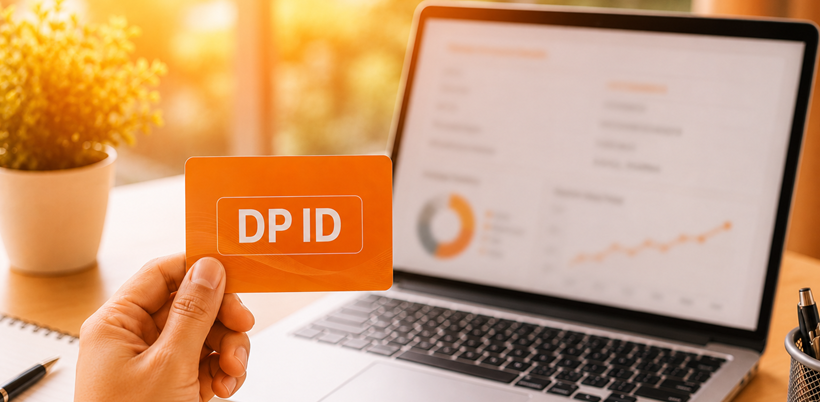
DP ID stands for Depository Participant Identification Number. It is a unique number assigned to your Depository Participant and forms part of your demat account number. Your DP ID identifies the broker, bank, custodian, or financial institution through which your demat account is opened
Your personal identity in the depository system is usually identified through the Client ID. Together, the DP ID and Client ID form your complete Demat Account Number/Beneficiary Owner ID.
A Depository Participant is the link between you and the depository. In India, the two main depositories are NSDL (National Securities Depository Limited) and CDSL (Central Depository Services Limited). They hold securities such as shares, bonds, exchange-traded funds, and mutual fund units in electronic form.
You cannot usually open a demat account directly with the depository. You do it through a Depository Participant.
A DP can be
The DP helps you open your demat account, maintain your holdings, provide account statements, and facilitate transfers and pledges.
The format of a DP ID depends on whether your account is with NSDL or CDSL. Many investors get confused because the two formats are not the same.
In NSDL, the demat account number is alphanumeric. The DP ID generally starts with “IN”, followed by 6 digits. The Client ID is usually 8 digits.
Example
|
Particular |
Example |
|
DP ID |
IN123456 |
|
Client ID |
12345678 |
|
Demat account number |
IN12345612345678 |
Here, “IN123456” identifies the DP, while “12345678” identifies the investor’s account with that DP.
In CDSL, the account number is numeric. A CDSL Beneficiary Owner (BO) ID is a 16-digit account number. The first 8 digits represent the DP ID, and the last 8 digits represent the Client ID.
Example
|
Particular |
Example |
|
DP ID |
12012345 |
|
Client ID |
12345678 |
|
Beneficiary Owner ID |
1201234512345678 |
If your demat account is with CDSL, you can usually identify the DP from the first eight digits of your BO ID.
Your DP ID is available in multiple documents and online platforms associated with your demat account. You can find it in
While checking, look carefully at whether the platform shows your DP ID, Client ID, BO ID, or full demat account number. Labels may differ across brokers.
Your DP ID helps identify the DP linked to your account. It is useful for
When you apply for an IPO, your demat details must match the depository records. A wrong DP ID or Client ID can lead to delays or rejection.
Verify the details from an official statement or your broker’s account section before submitting any form. Always review them before confirming submission.
The DP ID is a small detail, but it plays a major role in identifying your Depository Participant. It does not identify you personally. Your Client ID or Beneficiary Owner ID serves that purpose.
Before using your demat details for IPOs, transfers, pledges, or verification, always check whether the form asks for DP ID, Client ID, BO ID, or the complete account number. Taking a moment to verify these details can help avoid delays, rejected requests, and unnecessary follow-ups.
No. DP ID is only one part of the demat account number. The complete account number is made by combining the DP ID with the Client ID.
In NSDL, the DP ID generally has “IN” followed by six digits. In CDSL, it is usually the first eight digits of the 16-digit BO ID.
Yes. DP ID identifies the Depository Participant, while the Client ID identifies your individual account with that DP.
You can find it in your demat statement, broker profile section, welcome documents, CDSL Easi, NSDL IDeAS, or relevant depository communication.
Yes, you may have accounts with different DPs. Each DP will have its own DP ID, so use the details linked to the correct account.


Copper is a widely used base metal known for its electrical and thermal conductivity, strength, ductility and corrosion resistance. It is used across electrical wiring, construction, machinery, power infrastructure and several industrial applications.
 62 views
 2 minutes
 09 Oct 2026
Copper is a widely used base metal known for its electrical and thermal conductivity, strength, ductility and corrosion resistance. It is used across electrical wiring, construction, machinery, power infrastructure and several industrial applications.
48 views
2 minutes
09 Oct 2026
Natural Gas is a widely traded energy commodity used for electricity generation, industrial activity, heating and other applications. Its prices can react sharply to weather, supply and demand, inventories, global energy markets and geopolitical developments.
262 views
1 minutes
30 Sep 2026

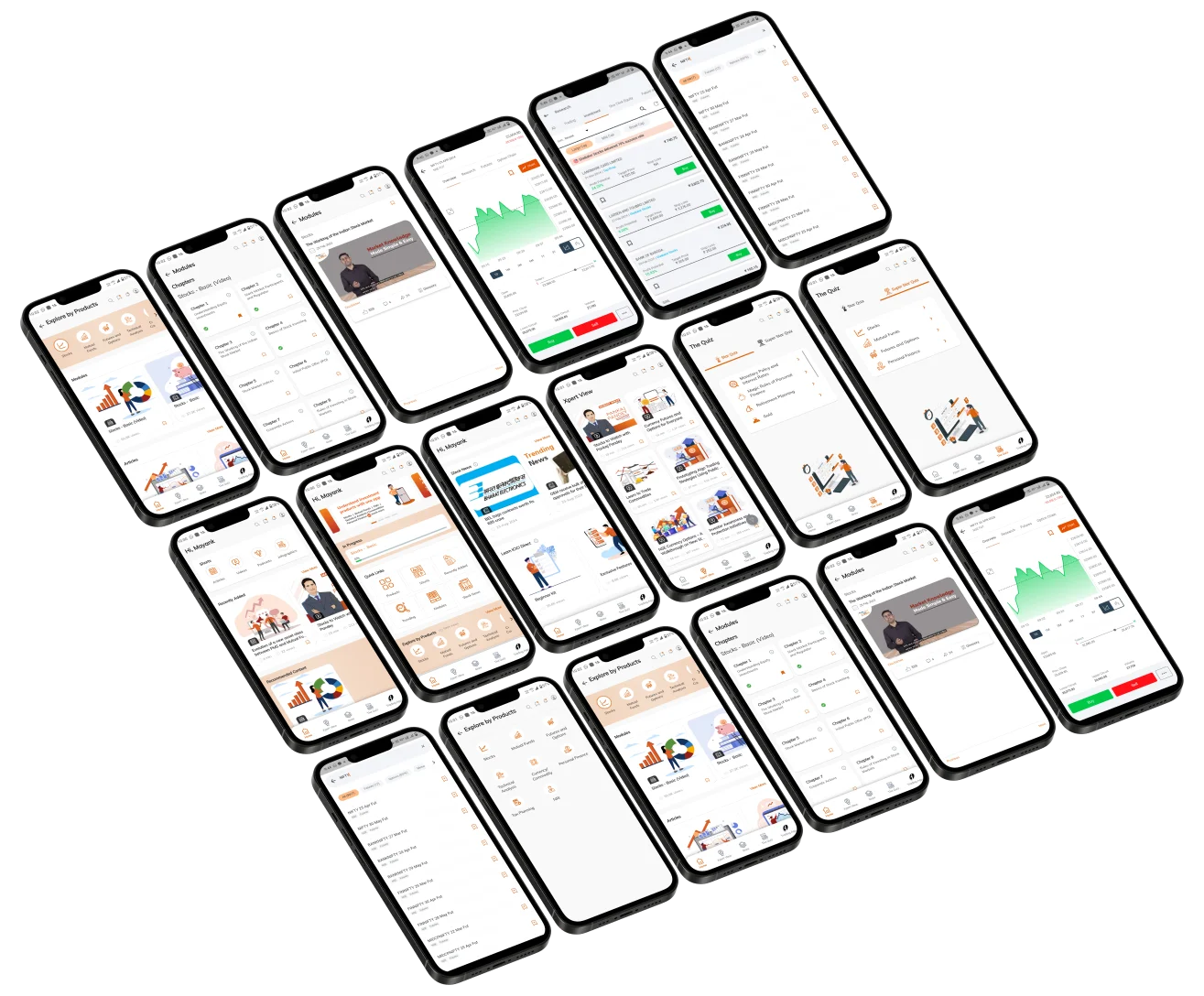
Elevate Your Financial Knowledge with the
ICICI Direct iLearn App
Elevate Your Financial Knowledge with the
ICICI Direct iLearn App
