





Download
iLearn application
Elevate Your Financial Knowledge with the
ICICI Direct iLearn App





No, a demat account is not mandatory for investing in most mutual funds. You can invest through AMC websites, banks, distributors, RTAs, or online platforms and hold units in a Statement of Account form. However, a demat account is required for ETFs or listed mutual fund units traded through a stock exchange.
A demat account is an electronic account used to hold securities in digital form. It helps investors store shares, bonds, ETFs, and mutual fund units digitally.
A demat account is not compulsory for most regular mutual fund schemes. Many investors start a SIP or make a lump sum investment without opening a demat account.
In Statement of Account mode, your mutual fund units are held with the AMC or RTA under a folio number. This is a common route.
Your statement usually shows:
This mode suits investors who invest in SIP, equity funds, debt funds, hybrid funds, or tax-saving funds. You do not need a trading account for transactions.
In demat mode, mutual fund units are credited to your demat account, just like shares and ETFs. This may suit investors who already use a stockbroker and prefer a single platform for several investments.
Your holdings may include stocks, bonds, ETFs, and mutual fund units together. Tracking is easier, but service requests may depend on the broker or depository process.
ETFs are traded on stock exchanges, like shares. Investors buy or sell units through a trading account. For this exchange route, you need both a trading account and a demat account.
Certain closed-ended mutual fund schemes and other listed mutual fund units are traded on stock exchanges and typically require a demat account when bought or sold through the exchange.
Some broker-led platforms hold mutual fund units in demat form. The app may look simple, but the underlying holding is through demat mode. Check how units are held, how redemption works, and whether charges apply.
You can visit the website of a mutual fund house, complete or verify KYC, select a scheme, and invest directly. This works well when you know the fund house and plan.
RTAs maintain investor records for mutual fund houses. Their platforms allow investors to view folios, download statements, update details, start transactions, and manage funds without a demat account.
Banks and distributors help investors invest in mutual funds, usually through regular plans. This route may suit investors who want assistance with schemes or documents.
Many online platforms allow investors to invest in SIP and lump sum mutual funds without demat holdings. These platforms often offer dashboards, reminders, and reports.
Investing in mutual funds through a demat account can offer benefits for many investors:
A demat account is not mandatory for regular mutual funds. You can invest through AMC websites, RTAs, banks, distributors, or online platforms and hold units in a Statement of Account form.
However, you need a demat account when investing in ETFs, exchange-traded units, or when your chosen broker platform uses demat mode. If your focus is on simple long-term investing through SIP, you can invest without a demat. If you want one place for shares, bonds, ETFs, and funds, a demat can be useful.
Yes, you can start a SIP without a demat account. Fund houses, RTAs, banks, distributors, and platforms allow SIP investments in Statement of Account mode.
Yes, a demat account is required for ETFs because they are listed and traded on stock exchanges. You also need a trading account.
It depends on your investment style. A demat account may be useful if you already manage shares and ETFs. For simple mutual fund investing, the SOA mode works well.
Yes, units held in the Statement of Account form can be converted into demat form through your depository participant.


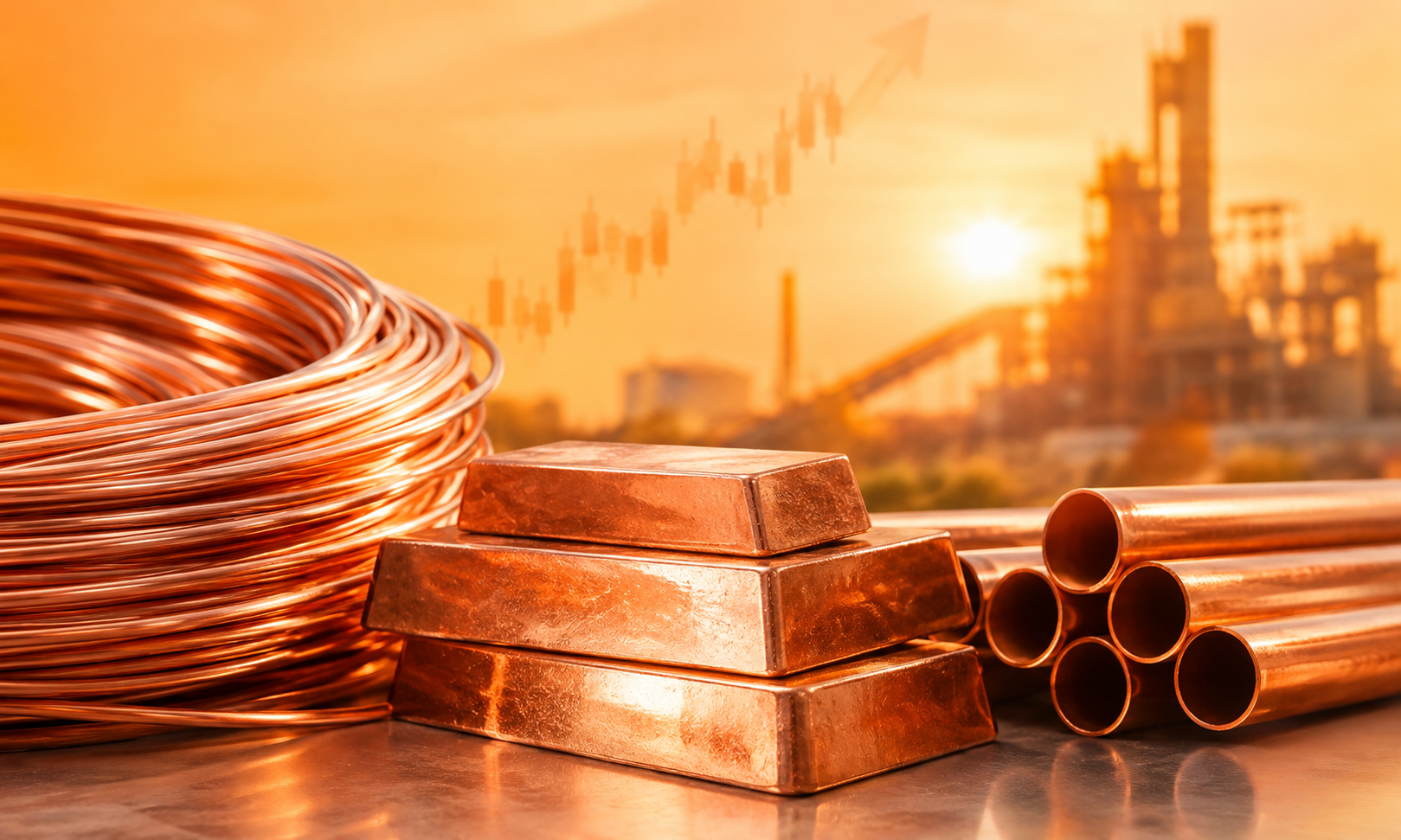
Copper is a widely used base metal known for its electrical and thermal conductivity, strength, ductility and corrosion resistance. It is used across electrical wiring, construction, machinery, power infrastructure and several industrial applications.
 84 views
 2 minutes
 09 Oct 2026
Copper is a widely used base metal known for its electrical and thermal conductivity, strength, ductility and corrosion resistance. It is used across electrical wiring, construction, machinery, power infrastructure and several industrial applications.
63 views
2 minutes
09 Oct 2026
Natural Gas is a widely traded energy commodity used for electricity generation, industrial activity, heating and other applications. Its prices can react sharply to weather, supply and demand, inventories, global energy markets and geopolitical developments.
280 views
1 minutes
30 Sep 2026

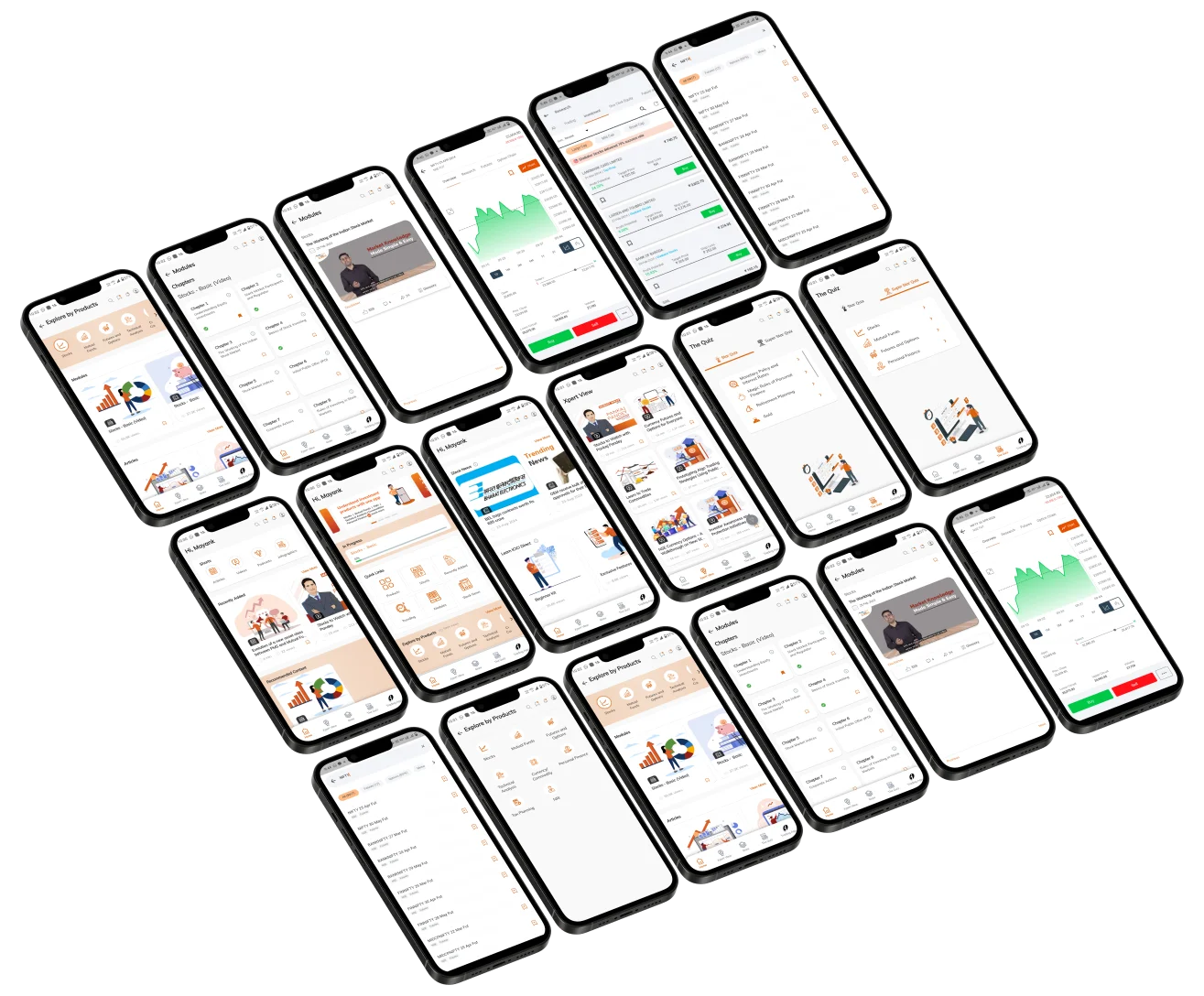
Elevate Your Financial Knowledge with the
ICICI Direct iLearn App
Elevate Your Financial Knowledge with the
ICICI Direct iLearn App
