




Download
iLearn application
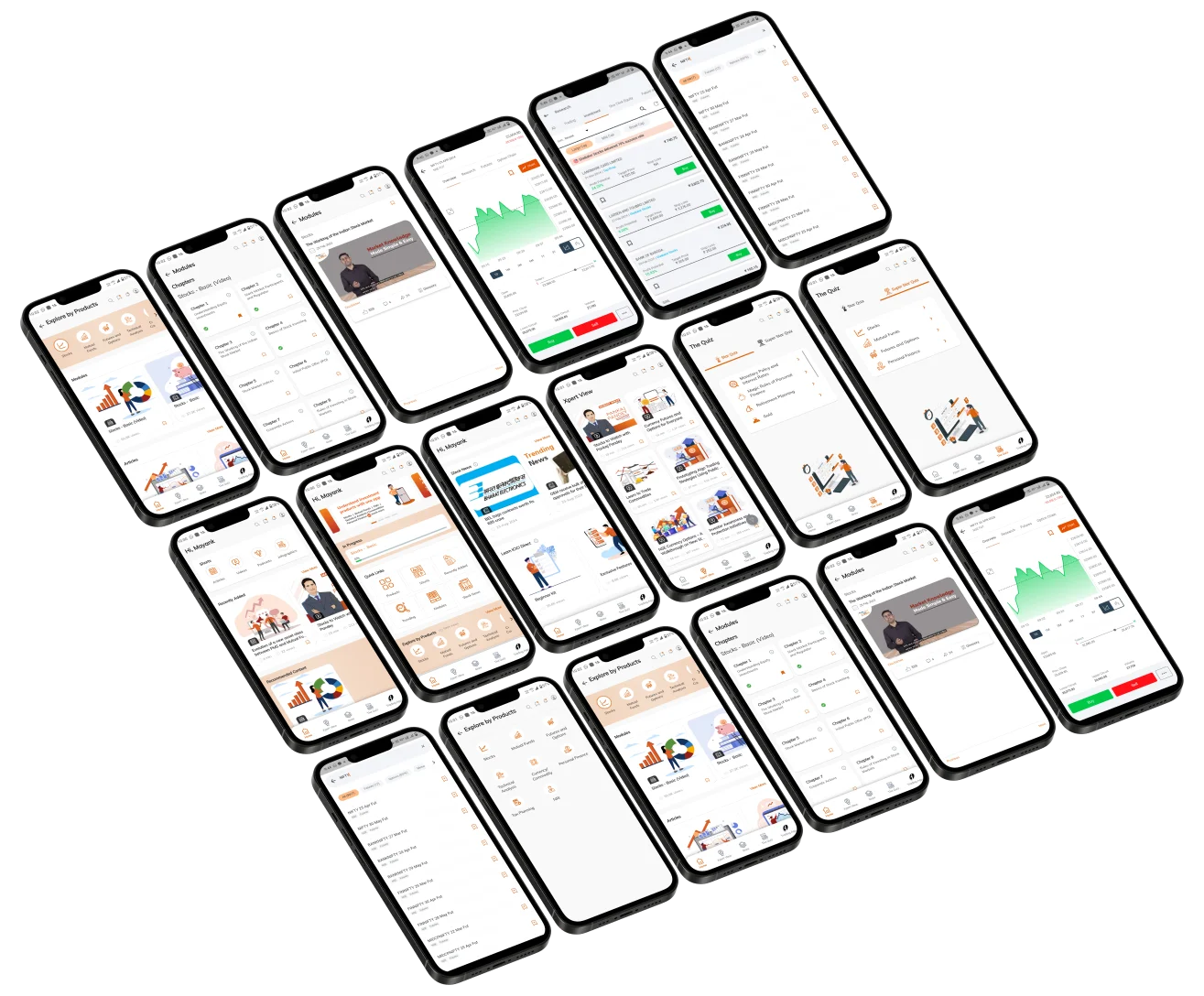
Elevate Your Financial Knowledge with the
ICICI Direct iLearn App




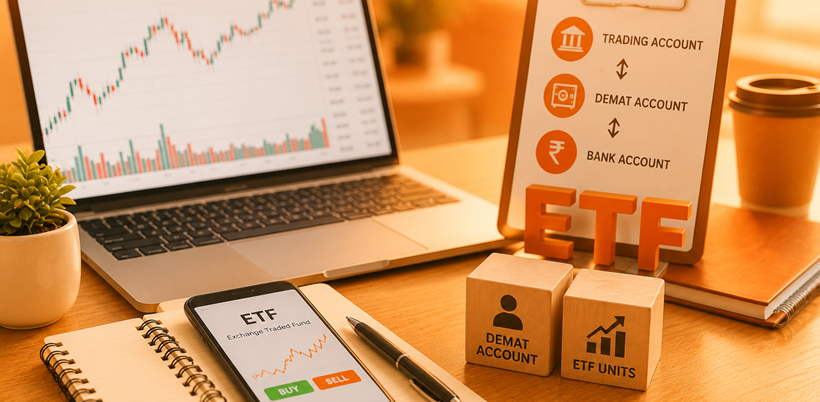
Yes, you generally need a Demat account and a trading account to buy or sell ETFs on a stock exchange in India. The trading account places orders. The Demat account stores your ETF units electronically. Your linked bank account sends and receives money.
Think of it as three parts of one simple system. Money moves through the bank account, orders through the trading account, and units are held in the Demat account.
The process is like buying a listed share, but an ETF usually tracks an index, commodity, sector, bond portfolio or another underlying asset.
This makes ETF investing useful for investors who want market exposure without selecting every stock individually. However, the exchange route also means prices change throughout the trading day. So, the account setup, order type and liquidity check matter just as much as the ETF category you choose before placing your first ETF order.
Start by choosing a SEBI-registered broker or depository participant. Complete KYC using PAN, Aadhaar, bank details and income information where required.
Once the account is active, you get access to a trading platform, such as an app, website or desktop terminal.
Add money to your linked trading balance before placing an order. Keep a small buffer for brokerage, taxes and other charges. Invest only money that aligns with your financial goals and risk appetite and avoid using emergency funds. ETFs are market-linked products, so prices can move up or down.
Search for the ETF using its name or exchange symbol. An index ETF may track Nifty 50, Sensex or another recognised benchmark. Also review the fund house, benchmark, price and volume.
Choose the quantity and order type. A market order uses the available price, while a limit order lets you set your price.
After the order is executed and settled, ETF units are credited to your Demat account and shown in your holdings. When you sell, the trading account places the order. After settlement, the sale proceeds are credited to your trading account and can then be transferred to your linked bank account according to your broker's payout process.
Indian stock exchanges offer ETFs across multiple asset classes and investment themes. Some of the common categories include
The category alone should not decide your choice. Check the ETF’s objective, underlying index, liquidity, tracking error and costs. A popular theme may still be unsuitable for your goal or risk comfort.
ETF investing is often seen as cost-efficient, but it is not free. Charges and market factors affect actual returns.
Check these points before buying:
A low-cost ETF may still be unsuitable if it has poor liquidity or a high tracking difference from its benchmark.
ETFs combine mutual-fund-style diversification with stock-exchange-style trading. That is why a Demat account is important for holding ETF units, while a trading account is used to buy or sell them on the exchange.
For Indian investors, ETFs can offer access to indices, gold, sectors, bonds or international themes. Still, compare costs, liquidity, risk, tracking quality and suitability before investing.
Yes, a Demat account is generally required because ETF units are held electronically after purchase.
No, a trading account only places orders. You need a Demat account to hold settled ETF units.
No, ETFs trade on stock exchanges like shares, while many mutual funds are bought or redeemed through the fund house.
Yes, many investors start small because ETF units can usually be bought at the market price of one unit.
Check the benchmark, expense ratio, liquidity, bid-ask spread, tracking error, fund objective and risk level before investing in any ETF.


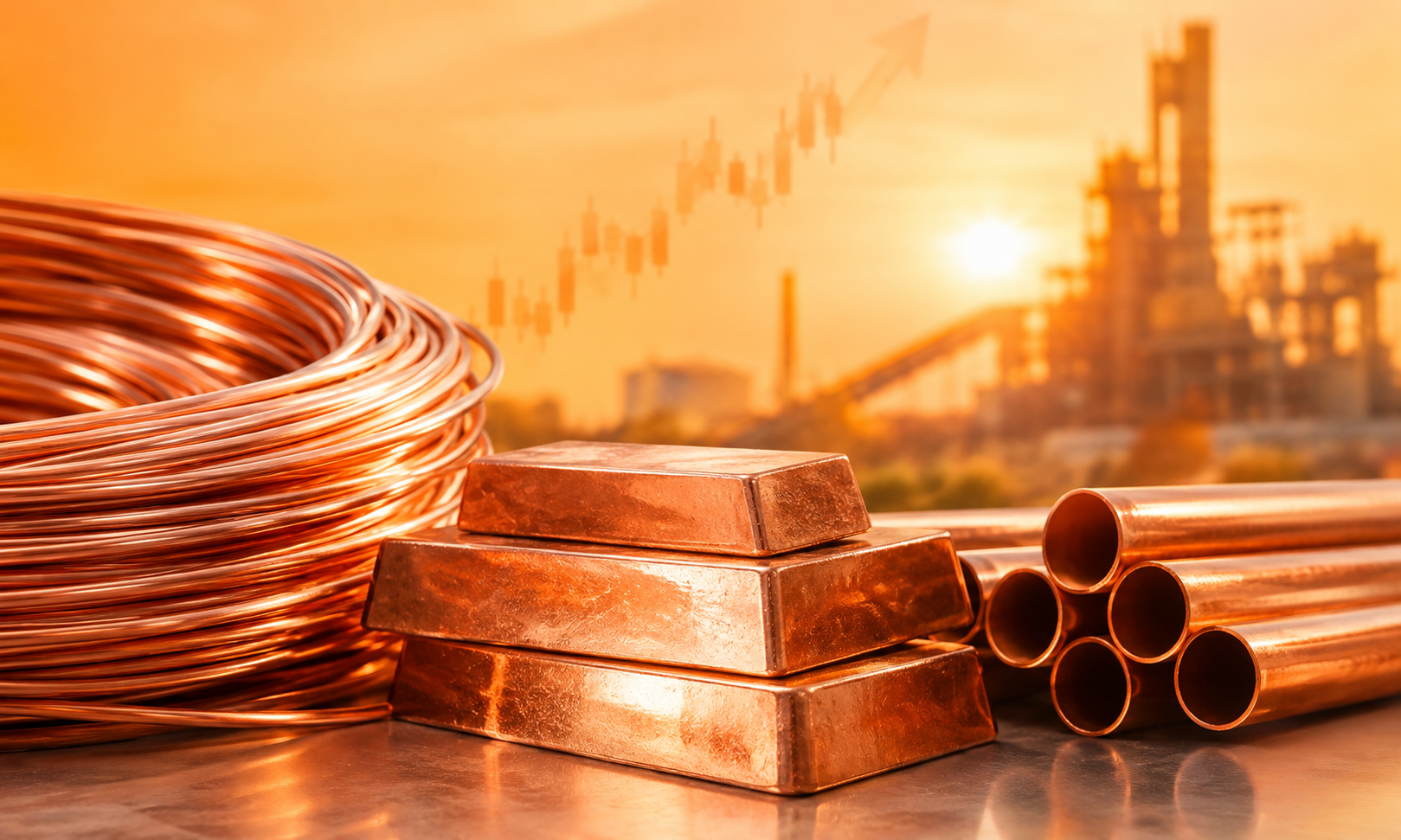
Copper is a widely used base metal known for its electrical and thermal conductivity, strength, ductility and corrosion resistance. It is used across electrical wiring, construction, machinery, power infrastructure and several industrial applications.
 84 views
 2 minutes
 09 Oct 2026
Copper is a widely used base metal known for its electrical and thermal conductivity, strength, ductility and corrosion resistance. It is used across electrical wiring, construction, machinery, power infrastructure and several industrial applications.
63 views
2 minutes
09 Oct 2026
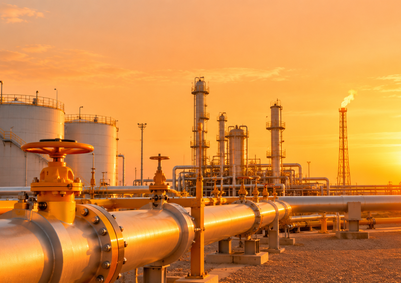
Natural Gas is a widely traded energy commodity used for electricity generation, industrial activity, heating and other applications. Its prices can react sharply to weather, supply and demand, inventories, global energy markets and geopolitical developments.
280 views
1 minutes
30 Sep 2026
Elevate Your Financial Knowledge with the
ICICI Direct iLearn App
Elevate Your Financial Knowledge with the
ICICI Direct iLearn App
