






Download
iLearn application
Elevate Your Financial Knowledge with the
ICICI Direct iLearn App




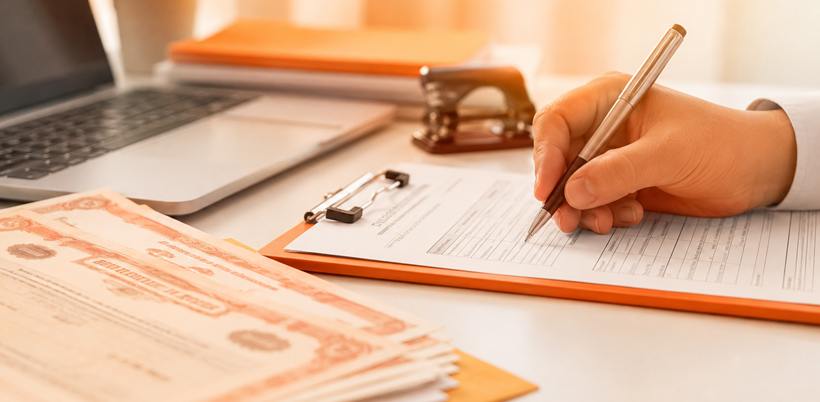
A Dematerialisation Request Form, or DRF, is used when an investor wants to convert physical share certificates or other eligible securities into electronic form. Once processed, the holdings appear in the investor’s demat account instead of remaining as paper certificates.
For many Indian investors, DRF becomes important when old certificates are found at home or inherited.
Many families still have old share certificates stored with property papers, tax records, or bank documents. These may belong to parents, grandparents, or the investor’s own earlier holdings.
A DRF helps convert these paper certificates into electronic holdings through a Depository Participant, also called a DP. The DP links the investor with the depository.
Investors may hold some securities physically, but selling or transferring them is difficult without dematerialisation. In most practical cases, the securities must first move into a demat account.
Once the shares are dematerialised, they can be sold, transferred, pledged, or managed more easily through the Depository Participant and trading platform.
A DRF form asks for details from both the demat account and the physical certificate. These details help the DP and registrar match the securities correctly.
|
Detail Required |
What It Means |
|
Demat account number or Client ID |
Investor’s beneficiary account details |
|
DP ID |
Identification number of the Depository Participant |
|
Name of security or company |
Company whose securities are submitted |
|
ISIN |
Unique security identification number |
|
Folio number |
Number printed in physical records |
|
Certificate number |
Certificate identification number |
|
Distinctive numbers |
Number range allotted to shares |
|
Number of securities |
Total quantity submitted |
|
Lock-in details |
Needed if securities are restricted |
|
Holder names and signatures |
Must match account and certificate records |
Before filling the form, confirm that the security is available for dematerialisation through the depository system. Your DP can help you check this using the company name or ISIN. Some old certificates may need clarification from the registrar or company.
Use the DRF format provided by your DP. Do not mix securities with different ISINs in one form. Separate forms are usually needed for different companies or ISINs.
Enter the folio number, certificate number, distinctive numbers, quantity, company name, and ISIN correctly. These details help verify that the securities are genuine and match the investor's records.
All holders must sign the DRF. The names and order of holders should match the physical certificate and the demat account.
A signature mismatch is one common rejection reason. So, sign exactly as per the demat account records.
Physical certificates are generally submitted after being marked “Surrendered for Dematerialisation”. This tells the registrar that the paper certificate is being given up for electronic conversion.
While marking the certificate, keep the certificate numbers, folio numbers, names, and distinctive numbers readable.
The time taken for dematerialisation can vary. It depends on the DP, registrar, issuer company, correctness of the documents, and whether all details match correctly.
Investors should keep the acknowledgement slip or the request number given by the DP. This helps track the status if the request takes longer than expected. Avoid assuming a fixed timeline, because even a small mismatch can slow the process.
A DRF may be rejected when the form, certificate, and demat account details do not match. Common reasons include:
Most rejections happen because of small, avoidable mistakes. A careful review before submission can save valuable time.
A rejected DRF does not always mean the securities are lost. It usually means something needs correction.
A Dematerialisation Request Form is important for converting physical securities into electronic holdings.
Check the ISIN, holder names, certificate numbers, distinctive numbers, signatures, and quantity before submission. A carefully completed DRF reduces delays reduces delays and makes old investments easier to track, sell, transfer, or preserve safely.
Some details may be available online, but physical certificates usually go with the signed DRF.
Yes, physical shares are generally dematerialised before normal market sale.
No. Use separate DRFs for different companies or ISINs.
Contact the registrar or DP for duplicate certificate formalities.
The DP checks and forwards the request. Approved securities enter your demat account.
Usually, no. Special cases may need extra documents.
It is usually rejected for name, holder order, ISIN, signature, or certificate mismatches.


Copper is a widely used base metal known for its electrical and thermal conductivity, strength, ductility and corrosion resistance. It is used across electrical wiring, construction, machinery, power infrastructure and several industrial applications.
 83 views
 2 minutes
 09 Oct 2026
Copper is a widely used base metal known for its electrical and thermal conductivity, strength, ductility and corrosion resistance. It is used across electrical wiring, construction, machinery, power infrastructure and several industrial applications.
62 views
2 minutes
09 Oct 2026
Natural Gas is a widely traded energy commodity used for electricity generation, industrial activity, heating and other applications. Its prices can react sharply to weather, supply and demand, inventories, global energy markets and geopolitical developments.
279 views
1 minutes
30 Sep 2026
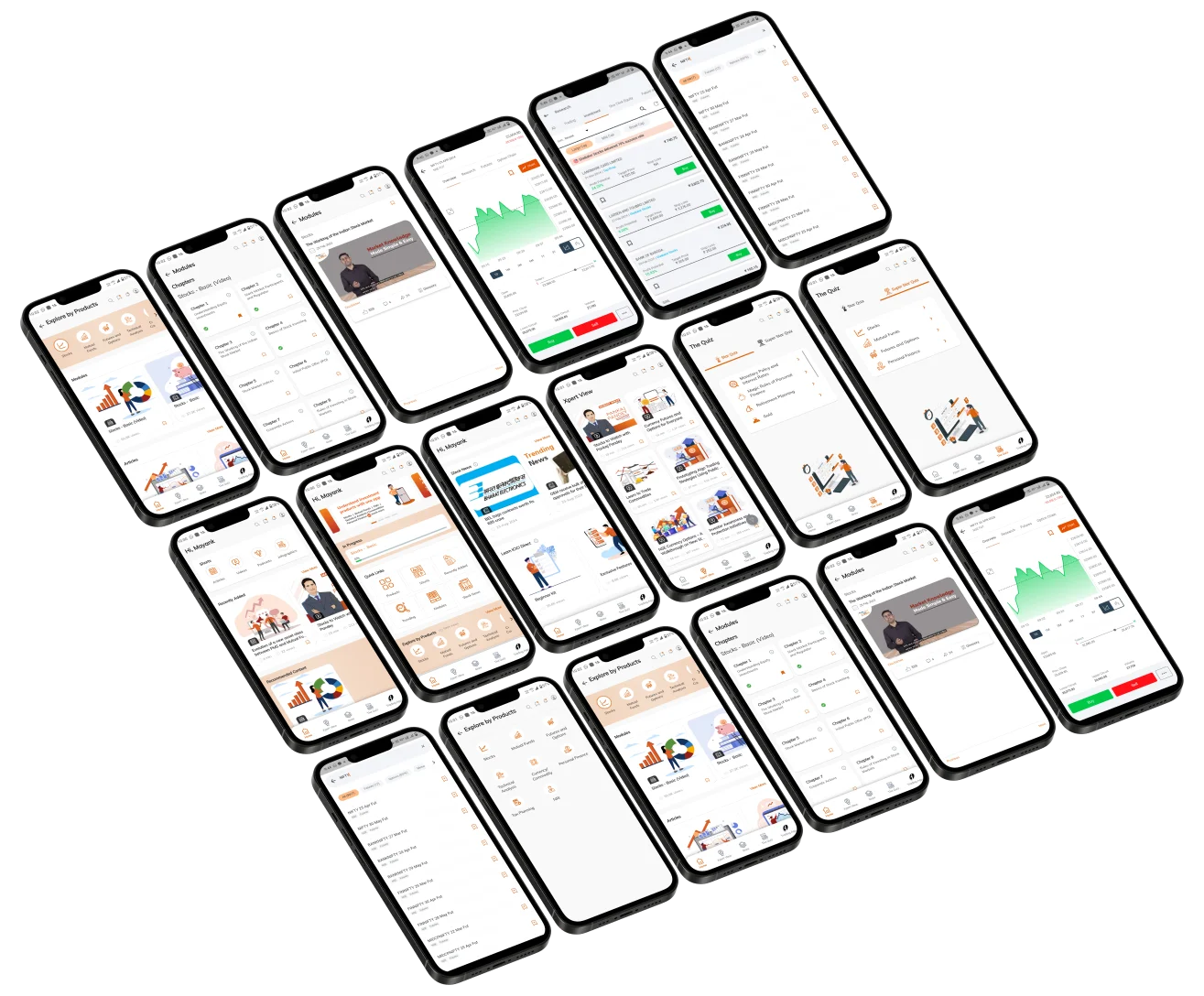
Elevate Your Financial Knowledge with the
ICICI Direct iLearn App
Elevate Your Financial Knowledge with the
ICICI Direct iLearn App
