



-202610121017596081271.jpg)



Download
iLearn application
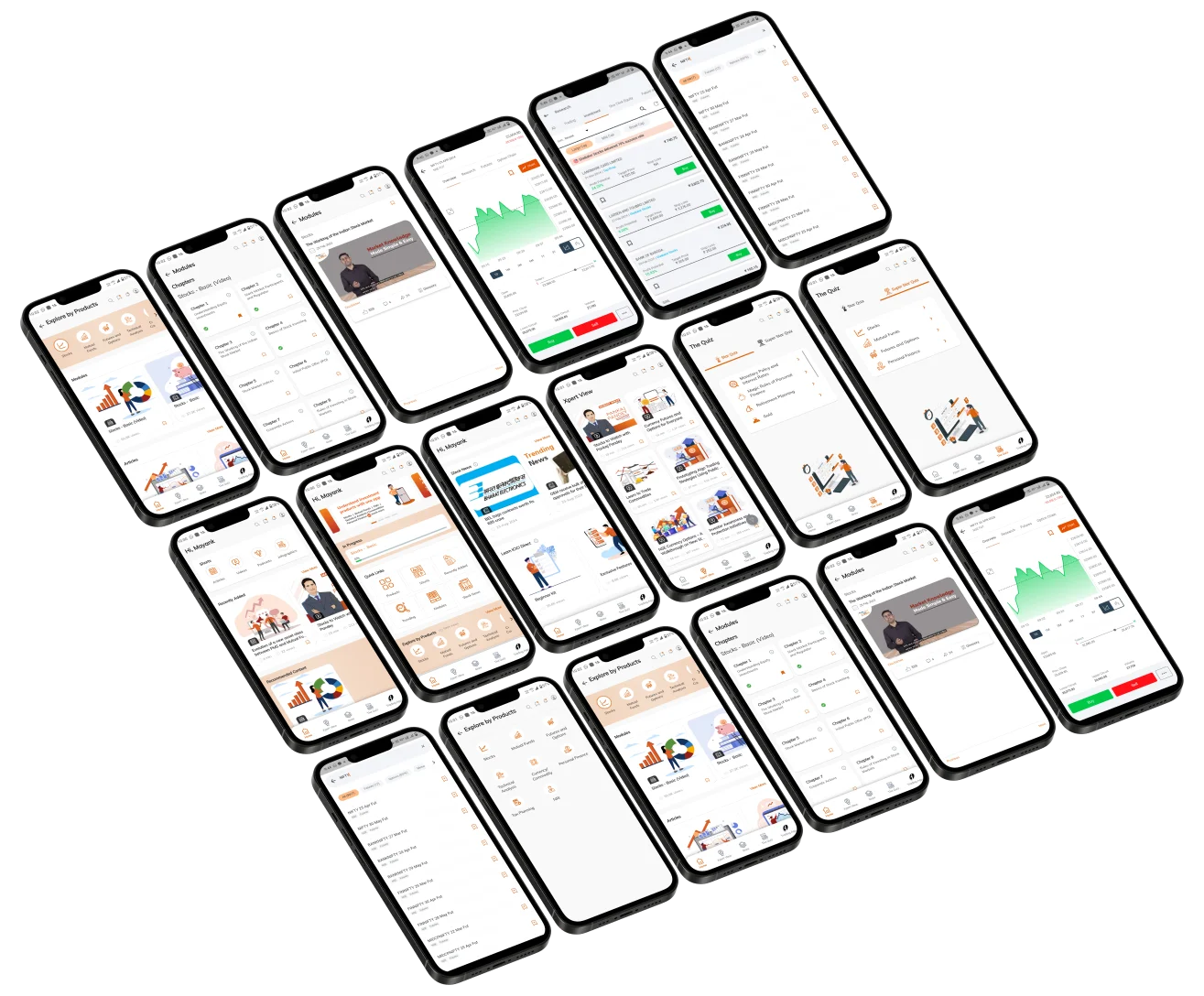
Elevate Your Financial Knowledge with the
ICICI Direct iLearn App





Retail investing in India has grown sharply over the last few years. India had about 4.09 crore demat accounts in 2019-20, and the number crossed 15 crore by March 2024. By 2025, the figure had exceeded 19.24 crore, underscoring the strong entry of Indian investors into the market.
A demat account is the foundation of your investing journey. It holds your shares and other securities in electronic form. If the account is costly, difficult to use or weak in terms of service, it can affect your overall investing experience.
Choosing the right broker or Depository Participant is an important step in managing your investments. The wrong choice can lead to higher charges, poor customer support, platform issues and inconvenience while accessing account services. This guide explains how to choose the best demat account in India based on your needs, what factors to compare and how beginners can make an informed decision.
A demat account is an electronic account used to hold securities. Before comparing providers, it is important to understand what the account does.
A demat account stores securities in digital form. As per SEBI, investors need to open a demat account with a Depository Participant to hold securities electronically.
You need a demat account to hold market-linked securities safely. It supports buying, holding and selling of securities through a digital record system.
You can hold shares, ETFs, bonds, mutual fund-related holdings, and other eligible securities. The available products may depend on your broker, DP and platform.
A demat account is not only a storage account. It affects your cost, ease of trading, account safety and long-term convenience.
Your choice can influence transaction costs, trading speed, product access, mobile and web experience, service support and portfolio tracking. This is why investors should not select an account only because it appears in a demat account list or offers free account opening.
Comparing the key features, charges and service quality of a demat account is one of the most important steps before choosing one. A good account should fit your investing style, not just look attractive in advertisements.
Some brokers offer zero account opening charges. This is useful, but it should not be your only decision point.
A free opening offer may still include AMC, DP charges, transaction fees, or paid service features. Always check the full cost structure.
The Annual Maintenance Charge (AMC) is the yearly cost of maintaining the demat account. Long-term investors should review this carefully because it may apply even if they do not trade often.
Demat charges and brokerage charges are not the same. Demat charges cover the holding and servicing of securities. Brokerage applies when you buy or sell through the trading account.
Frequent traders should compare brokers across equity delivery, intraday, futures, options, and other segments.
In India, depository services are operated by NSDL and CDSL, along with their Depository Participant networks.
Choose a SEBI-registered broker or DP with clear processes, transparent charges and a strong service record.
A good provider should offer a smooth online onboarding. Check whether the process includes online KYC, eSign, video IPV, nominee addition and quick approval.
A simple process matters, especially for first-time investors who want to start without heavy paperwork.
Check whether the provider offers a mobile app and a web-based trading platform. The platform should support real-time price tracking, clear order placement, simple fund transfers and easy portfolio review.
A slow or confusing platform can affect both investors and traders.
A strong platform should provide access to products tailored to your needs. These may include stocks, ETFs, IPOs, mutual funds, bonds, derivatives and more.
A beginner may need only shares and mutual funds at first. A more active investor may want wider product access later.
Check SEBI registration details, exchange membership, risk disclosures and grievance redressal options. SEBI’s SCORES platform allows investors to lodge complaints related to SEBI-regulated entities after first approaching the concerned entity.
This gives investors an official grievance route if service issues are not resolved.
Many beginners need more than a place to buy shares. Research reports, screeners, learning articles and market insights can make the platform more useful.
This is an important point when comparing the best demat account for beginners.
Fund movement should be smooth and efficient. An integrated account setup can reduce the effort required to transfer funds between banking, trading, and demat services.
Some platforms allow investors to access linked banking and investment services through a single interface. This can make transactions more convenient by enabling easier fund transfers, order placement, and account tracking.
Good support matters when there are issues with orders, statements, charges, pledges, account access or KYC updates.
Check support channels, response time, issue resolution quality, and operational support availability.
Look for two-factor authentication, account alerts, transaction confirmations and control features. These reduce the risk of unauthorised activity.
Investors should also check whether freeze or control options are available through the depository (DP) process.
Long-term investors need clean statements and portfolio reports. Traders may also need contract notes, tax reports, and profit-and-loss summaries.
A platform with clear reporting saves time during tax filing and portfolio review.
Nomination is important for the smooth transfer of assets in case of the account holder’s death. Investors should add or update nominee details as part of account maintenance.
Zero brokerage on equity delivery can be attractive, but investors should understand the full cost before deciding.
Check whether delivery brokerage is truly zero, whether AMC applies, whether statutory charges are separate and whether intraday or F&O trades have different charges. A zero-brokerage headline does not always mean the total cost is zero.
Charges can affect returns and user experience. Review the tariff sheet before opening the account.
This is the fee charged to open the account. Some brokers may waive it.
AMC is the yearly fee for maintaining the account. It is important for long-term investors.
These may apply when securities are debited from your demat account, usually when you sell shares.
These charges may apply when you use securities as collateral or release them.
Some DPs may charge for physical statements or Delivery Instruction Slip-related services.
Check whether charges apply for changing details, reactivating an inactive account or closing the account.
A regular demat account and BSDA are designed for different investor needs. Your portfolio size and account usage should guide the decision.
BSDA stands for Basic Services Demat Account. It is a demat account facility introduced by SEBI for small investors.
The main purpose is to reduce the demat account maintenance cost for investors who hold a smaller portfolio.
SEBI introduced BSDA to encourage financial inclusion and make investing easier for retail investors.
It helps small investors hold shares, mutual funds, bonds and other securities in electronic form without paying high annual maintenance charges.
A BSDA is meant for individual investors.
To be eligible, the investor should have only one demat account where they are the sole or first holder. An investor can have only one BSDA across depositories.
Under the revised SEBI framework, investors can hold securities worth up to ₹10 lakh in a BSDA.
If the value of holdings crosses ₹10 lakh, the account may be treated like a regular demat account, and regular charges may apply.
If the portfolio value is up to ₹4 lakh, no annual maintenance charge is applicable.
If the portfolio value is above ₹4 lakh and up to ₹10 lakh, the AMC is capped at ₹100.
BSDA investors can receive electronic statements free of cost.
If an investor asks for physical statements, charges may apply depending on the depository participant.
BSDA is useful for investors with smaller holdings and limited activity.
A regular demat account may be better for active traders, investors with larger portfolios or those who use multiple investment products.
You can consider BSDA if your portfolio is small, you do not trade frequently, and you want to save on annual maintenance charges.
A regular demat account may suit you better if your investment value is high, you trade often, or you need more account flexibility.
Choosing the best demat account in India is not about finding one headline offer. It is about understanding your investing style and comparing the full account experience.
Check account opening charges, AMC, brokerage, DP charges, platform quality, research support, product access, safety and customer service. Beginners should also prefer a simple platform with clear reports, strong support and smooth fund transfer.
The best demat account for beginners in India is one with simple onboarding, clear charges, good support, easy reports and a stable platform.
Compare account opening charges, AMC, DP charges, brokerage, pledge charges, statement charges and account service fees.
Yes, you can open more than one demat account. However, you should track charges and statements across accounts.
BSDA is a Basic Services Demat Account for eligible small investors. It offers lower AMC benefits based on holding value.
A demat account holds securities. A trading account is used to place buy and sell orders.
Yes, a BSDA may suit small investors with lower holding value and limited account activity.
Yes, you can shift holdings or change service providers through the prescribed transfer and closure process.
The account may remain open, but AMC or service charges may still apply. Keep KYC, nominee and contact details updated.


Understand contango in commodity trading, how futures prices differ from spot prices, and how financing, storage and insurance costs influence commodity pricing.
 187 views
 1 minutes
 19 Oct 2026
Copper is a widely used base metal known for its electrical and thermal conductivity, strength, ductility and corrosion resistance. It is used across electrical wiring, construction, machinery, power infrastructure and several industrial applications.
405 views
2 minutes
09 Oct 2026
Natural Gas is a widely traded energy commodity used for electricity generation, industrial activity, heating and other applications. Its prices can react sharply to weather, supply and demand, inventories, global energy markets and geopolitical developments.
673 views
1 minutes
30 Sep 2026

Elevate Your Financial Knowledge with the
ICICI Direct iLearn App
Elevate Your Financial Knowledge with the
ICICI Direct iLearn App
