


-202610121017596081271.jpg)




Download
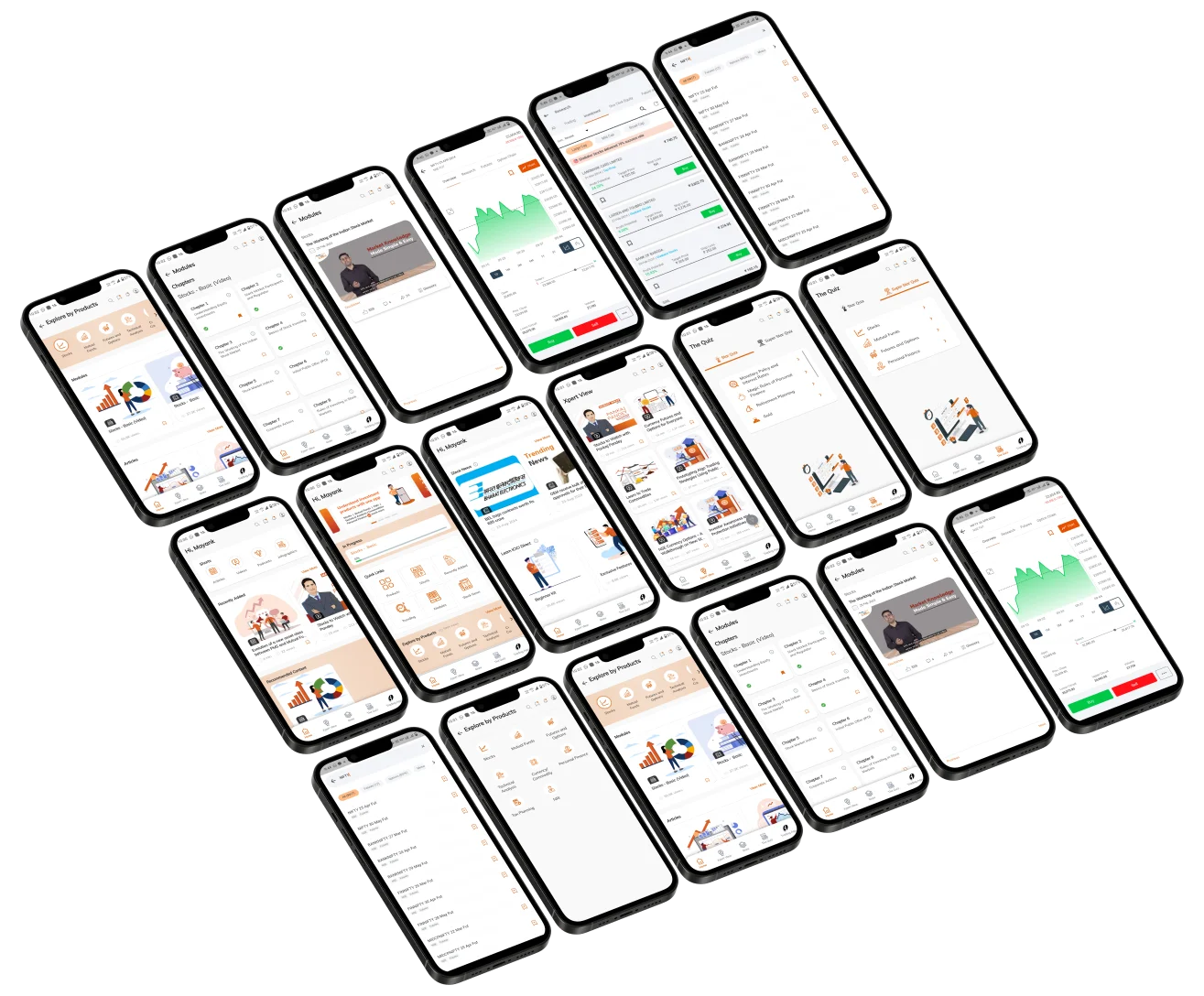
iLearn application
Elevate Your Financial Knowledge with the
ICICI Direct iLearn App





Imagine you’ve just pre-ordered a limited-edition sneaker. You don’t have the box in your hands yet, but a friend offers you a profit to buy them off you tomorrow. You say yes. That is BTST (Buy Today, Sell Tomorrow) in a nutshell.
You are selling shares before they’ve even landed in your Demat account. It is a high-speed game of flipping stocks to catch a quick price jump.
But here’s the catch - you’re selling something you don’t technically own yet. If the person who sold them to you fails to deliver, the chain breaks. This would trigger a market penalty called an auction, which can turn your quick profit into a surprise loss.
Unlike intraday trading, which requires squaring off positions by market close, or delivery, which involves holding assets for extended periods, BTST provides a unique overnight window with distinct risks and rules.
For a detailed breakdown of how these trading strategies differ, Here’s a quick snapshot
|
Type of trade |
Buy and sell timing |
Carry overnight? |
Main risk |
|
Intraday |
Same trading day |
No |
Same-day volatility |
|
BTST |
Buy on Day 1, sell on Day 2 before shares are credited |
Yes |
Overnight move and settlement risk |
|
Delivery |
Sell after shares are credited |
Yes |
Market movement over the holding period |
This comparison is important because BTST trading sits between intraday and delivery. You get overnight exposure, but without delivery certainty at the time of sale.
A BTST setup usually follows this sequence:
Indian cash market trades follow a T+1 settlement cycle. That means the formal pay-in and pay-out process happens on the next working day after the trade date.
This settlement structure is what makes BTST trading possible. But it works smoothly only if the shares you bought are delivered properly through the exchange mechanism.
If those shares do not arrive, a short delivery can disrupt the transaction.
Not every stock is suitable for this strategy. Traders usually look for BTST stocks when they expect a single-session move based on momentum or a near-term trigger.
The strategy appeals to traders because it can help you:
That said, the same overnight window can also work against you. A gap-down opening or adverse news can quickly damage the trade.
The key difference between BTST and a normal delivery trade is settlement certainty.
In a normal delivery transaction, you buy shares, wait for them to be credited, and then decide when to sell. In BTST, you sell before the shares are fully received. That is where the real risk begins.
If the shares are delivered on time, the trade usually goes through without an issue. But if there is short delivery, your broker may not receive the shares needed to honour your sale.
This is the point where BTST trade means more than just buying today and selling tomorrow. It also means accepting the possibility that the settlement process may not complete cleanly.
A BTST position can appear profitable when you look at the executed order price. But if the shares are not delivered and the exchange has to resolve the shortage through auction or close-out, your final financial outcome may change.
Short delivery happens when the seller fails to deliver the shares during settlement.
As a BTST participant, the cause matters less than the consequence. If shares do not arrive, the shortage has to be resolved through the exchange process. That is when auction risk comes into the picture.
When a short delivery occurs, the exchange or clearing corporation tries to procure the missing shares through an auction process.
If the auction succeeds, the shares are obtained, and the shortage is resolved. If the auction does not succeed, the trade may be settled financially rather than through actual delivery.
It needs to be noted that there are certain scrips where the auction is not conducted and any shortages in such scrips are directly closed out. This includes securities in trade for trade segment, bonds such as SGBs and other tradeable bonds, securities under corporate action.
For a trader, an auction can change the entire economics of the trade:
This is why screening BTST stocks only on momentum is not enough. Liquidity and delivery reliability also matter.
A close-out is conducted for all such cases where the Clearing Corporation is not able to conduct the auction of securities either fully or partially. In such cases the shortages are settled financially.
Instead of actual delivery, the exchange settles the shortage financially using a prescribed price mechanism. That close-out price may be much less favourable than the price at which you sold.
Even if you exit at a good market price, the eventual close-out adjustment can affect your final result. In other words, your screen profit and your actual settlement outcome may not always match.
That is why BTST stocks should be approached with more care than many first-time traders assume.
BTST is not inherently unsafe, but it demands better stock selection and tighter risk control than many traders assume. A few habits can help:
It also helps to treat BTST as a strategy, not a shortcut. If you do not know the settlement side of the trade, you are only looking at half the picture.
Understanding BTST trade means understanding both the opportunity and the process. Yes, BTST trading can help you act on short-term momentum. Yes, BTST in the share market can look simple because the trade is placed in two sessions. But the real issue is what happens in the settlement after the order is executed.
So, when you evaluate BTST stocks, do not stop at charts and price action. Also, ask whether the trade carries delivery risk, whether you are prepared for auction impact, and whether the reward justifies that extra layer of uncertainty.


Copper is a widely used base metal known for its electrical and thermal conductivity, strength, ductility and corrosion resistance. It is used across electrical wiring, construction, machinery, power infrastructure and several industrial applications.
 165 views
 2 minutes
 09 Oct 2026
Natural Gas is a widely traded energy commodity used for electricity generation, industrial activity, heating and other applications. Its prices can react sharply to weather, supply and demand, inventories, global energy markets and geopolitical developments.
338 views
1 minutes
30 Sep 2026
Gold is more than a precious metal. It is a safe-haven asset, investment avenue, central-bank reserve asset and industrial commodity. For a commodity trader, understanding both Gold's fundamentals and the contract being traded is important.
474 views
3 minutes
23 Sep 2026

Elevate Your Financial Knowledge with the
ICICI Direct iLearn App
Elevate Your Financial Knowledge with the
ICICI Direct iLearn App
