




Download
iLearn application
Elevate Your Financial Knowledge with the
ICICI Direct iLearn App




The Indian financial markets offer a multitude of investment opportunities for individuals seeking to grow their wealth. Among these options, stock index futures stand out as a dynamic and versatile tool for navigating the market's intricacies. To explain, index futures are financial contracts that are used to speculate on the future value of a stock market index. They are one of the most popular types of futures contracts and are traded on exchanges around the world. Index futures are based on various stock market indexes, including the Nifty 50, the Dow Jones Industrial Average, the S&P 500, and the Nasdaq Composite.
Index futures are contracts that obligate the buyer to purchase or the seller to sell a stock market index at a predetermined price on a specific date in the future. The price of an index futures contract is determined by the current value of the underlying index, plus or minus an adjustment factor. The adjustment factor is based on the expected dividends that will be paid by the stocks in the index over the life of the contract.
The mechanism of index futures revolves around the anticipation of market movements. When an investor purchases an index futures contract, they essentially express their belief that the value of the underlying index will rise. Conversely, selling an index futures contract signifies the investor's expectation of a decline in the index's value.
When the contract expires, the buyer and seller will settle the contract at the current value of the underlying index. If the value of the index has gone up, the buyer will make a profit and the seller will make a loss. If the value of the index has gone down, the seller will make a profit and the buyer will make a loss.
Stock index futures in India are of several types, like -
Read more : How to trade in Nifty Futures in a Volatile Market
The Nifty 50 futures contract is one of the most popular index futures contracts in India, tracking the performance of the 50 largest companies listed on the National Stock Exchange.
Nifty IT is an index that tracks the performance of the information technology sector in India. The Nifty IT futures contract is a good way to get exposure to the Indian IT sector.
The S&P BSE Sensex is an index that tracks the performance of the 30 largest companies listed on the Bombay Stock Exchange.
The Nifty Bank is an index that tracks the performance of the banking sector in India. The Nifty Bank futures contract is a good way to get exposure to the Indian banking sector.
The S&P BSE Sensex 50 is an index that tracks the performance of the 50 largest companies listed on the Bombay Stock Exchange.
The S&P BSE Bharat 22 Index is an index that tracks the performance of the 22 largest central public sector enterprises (CPSEs) in India.
In addition to the index futures contracts listed above, there are many other index futures contracts that are traded on exchanges around the world. These contracts are based on various indices, including the Dow Jones Industrial Average, the Nasdaq Composite, and the Nikkei 225.
Index futures are a versatile tool that can be used to speculate on the future direction of the stock market. They can also be used to hedge against other investments. However, index futures are also a complex and risky investment. It is important to understand the risks involved before you start trading index futures. Given the complexities and risks associated with index futures, seeking guidance from experienced financial advisors is strongly recommended. These professionals can provide tailored advice and assist individuals in making informed investment decisions aligned with their risk tolerance and financial goals.


Explore the meaning of a mainboard IPO, SEBI's eligibility routes, NSE and BSE listing rules, key benefits, and the checks investors should make before applying.
 1 k views
 4 minutes
 13 Aug 2026
Commodity prices don't move in isolation. Along with demand-supply dynamics and geopolitical events, one global indicator that often influences commodity prices is the US Dollar Index (DXY).
1 k views
3 minutes
11 Aug 2026
Gold can react to inflation data, while crude oil may jump after an inventory report or geopolitical disruption.
961 views
4 minutes
21 Jul 2026

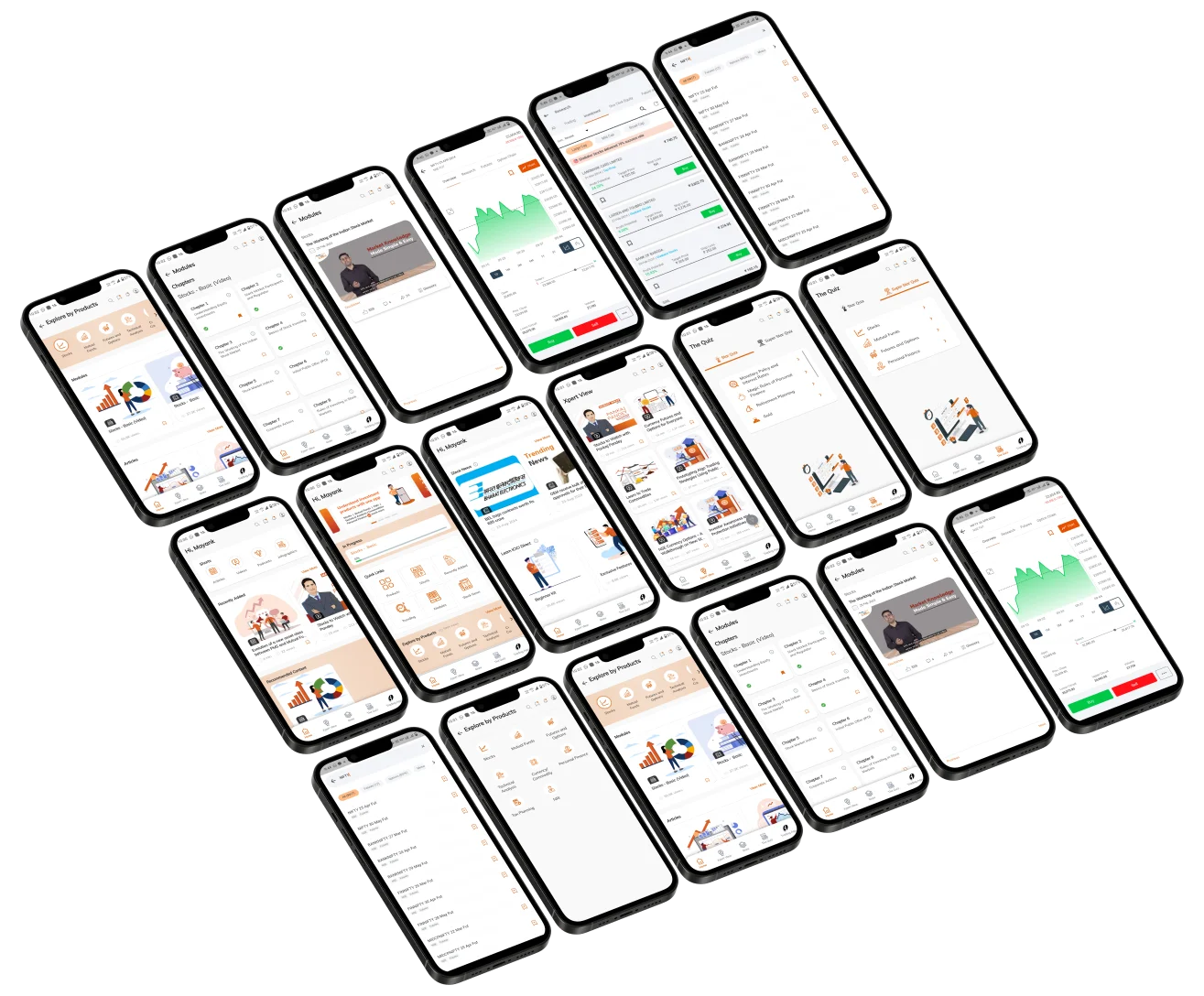
Elevate Your Financial Knowledge with the
ICICI Direct iLearn App
Elevate Your Financial Knowledge with the
ICICI Direct iLearn App
