



-202610121017596081271.jpg)



Download
iLearn application
Elevate Your Financial Knowledge with the
ICICI Direct iLearn App




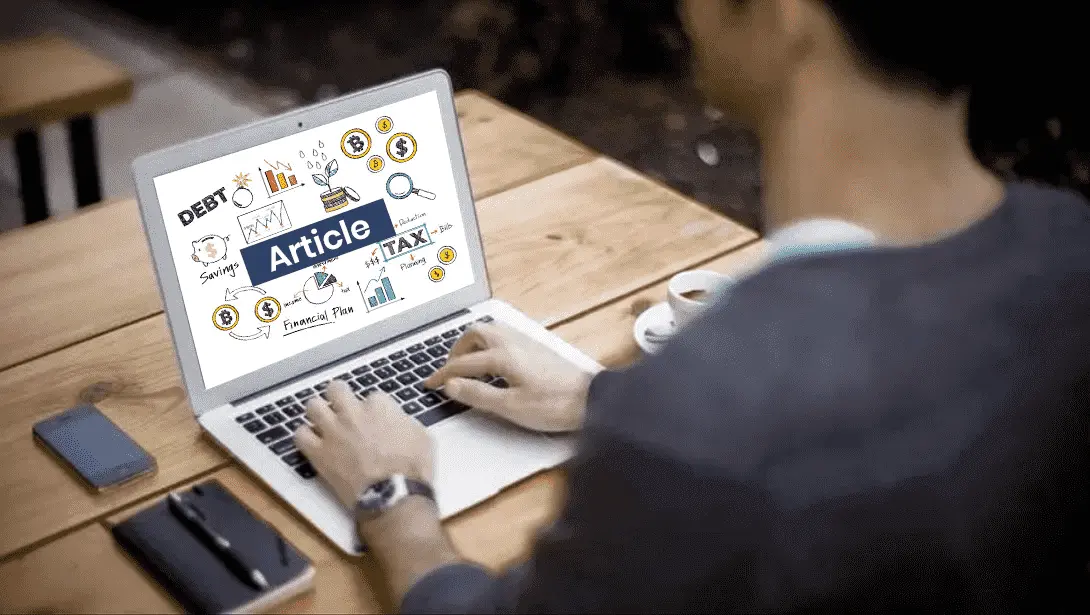
When a sudden emergency comes your way, or you've been waiting to make a substantial purchase, choosing between a credit card or taking a personal loan can be challenging. There are distinct differences between the two, and knowing when to take on a personal loan or use your credit card can help you plan your finances down the road.
Let's look at the key differences between a credit card and a personal loan to determine the right option for you.
A personal loan provides you with a significant sum of money that you can typically use for debt consolidation or make a large purchase. To repay the personal loan, you need to make fixed monthly payments until the total amount is paid.
A credit card is a revolving credit line. That means you can keep borrowing funds repeatedly up to a set limit or the borrowing threshold, also referred to as a credit limit. To use a credit card to your financial advantage, you need to repay the statement balance or current balance every billing cycle.
Additional read: 5 Financial Planning Tips for Young Professionals
If you have budgeted to make monthly payments for the entire loan term, taking on a personal loan can be ideal. Here’s where a personal loan can come to use:
Incorporating several high-interest debts into a single personal loan can benefit you with a low interest rate and better repayment terms and conditions.
While it is not advised to use a personal loan to pay medical expenses, in some rare cases, having a substantial sum of money that addresses sudden medical emergencies can be beneficial.
If you are planning to refurbish or enhance your home, taking a personal loan can be beneficial. While there are better options in terms of a home improvement loan or home extension loan that you can add on to your existing home loan, in the event you do not have an existing home loan, a personal loan can come to your rescue.
A personal loan is helpful when financing a meaningful event such as a wedding or paying for an international vacation. Since personal loan interest rates are lower than credit cards, you could save a reasonable sum of money in the long run.
Additional read: Why you can’t go wrong with the SIP method of investing
An essential factor to credit card usage is paying off the balance every month in full at the end of the billing cycle. Doing so can impact your financial health positively. However, if you are unable to pay the balance, it could accrue interest and result in clearing off the balance for a very long time.
Hence, you may want to be diligent and disciplined when using your credit card for purchases that you are sure you can reimburse on time.
Some common areas where you can use your credit card include:
Making everyday purchases that are easy to repay can help you raise your credit rating without endangering you in deeper debt.
If you hold a travel credit card, you could gather sufficient points to book a free flight or a hotel room. However, you need to have well-managed credit usage and plan your trip well in advance to take advantage of this feature.
Some credit cards offer lucrative cashback benefits that you can use if you repay your balance in full.
Based on the credit card your own, you can receive cashback bonuses and rewards on your purchases.
Making complete and timely payments on your credit card can be an excellent way of boosting your credit score. Important in determining your creditworthiness, your credit score can play a vital role in negotiating interest rates and getting approved for any form of a loan quickly.
Paying with a credit card is far more convenient and accessible than pain through cash. Besides, even if you misplace your card, you can instantly block or freeze your credit card account to prevent fraud.
Since interest rates depend upon your creditworthiness, you could end up with a high-interest rate if you have a low credit score.
If not utilized correctly, you could be stuck with debt from your credit card use that could become increasingly difficult to pay off in the long run.
Several fees come with a credit card. For instance, these include annual maintenance fees, late charges, foreign-exchange costs, return payment fees and more.
Additional read: The Ten Commandments of Effective Money Management In Your 20s
When used responsibly, your credit card can earn you rewards, benefits and cash backs. However, undisciplined usage can hamper your financial health.
When deciding between a personal loan or a credit card, you may want to evaluate how either of the two can impact your financial situation. Explore all options before deciding between the two. Once you've arrived at a decision, compare interest rates, terms and conditions, fees, and product structure.
Look for prequalified personal loans and compare rates from various lenders when deciding to take a personal loan. When choosing a credit card, scan the fine print thoroughly to look for any hidden costs. Due diligence and extensive research on both products can help you determine whether a credit card or personal loan can meet your specific need.


Understand contango in commodity trading, how futures prices differ from spot prices, and how financing, storage and insurance costs influence commodity pricing.
 187 views
 1 minutes
 19 Oct 2026
Copper is a widely used base metal known for its electrical and thermal conductivity, strength, ductility and corrosion resistance. It is used across electrical wiring, construction, machinery, power infrastructure and several industrial applications.
402 views
2 minutes
09 Oct 2026
Natural Gas is a widely traded energy commodity used for electricity generation, industrial activity, heating and other applications. Its prices can react sharply to weather, supply and demand, inventories, global energy markets and geopolitical developments.
672 views
1 minutes
30 Sep 2026
Elevate Your Financial Knowledge with the
ICICI Direct iLearn App
Elevate Your Financial Knowledge with the
ICICI Direct iLearn App
