



-202610121017596081271.jpg)



Download
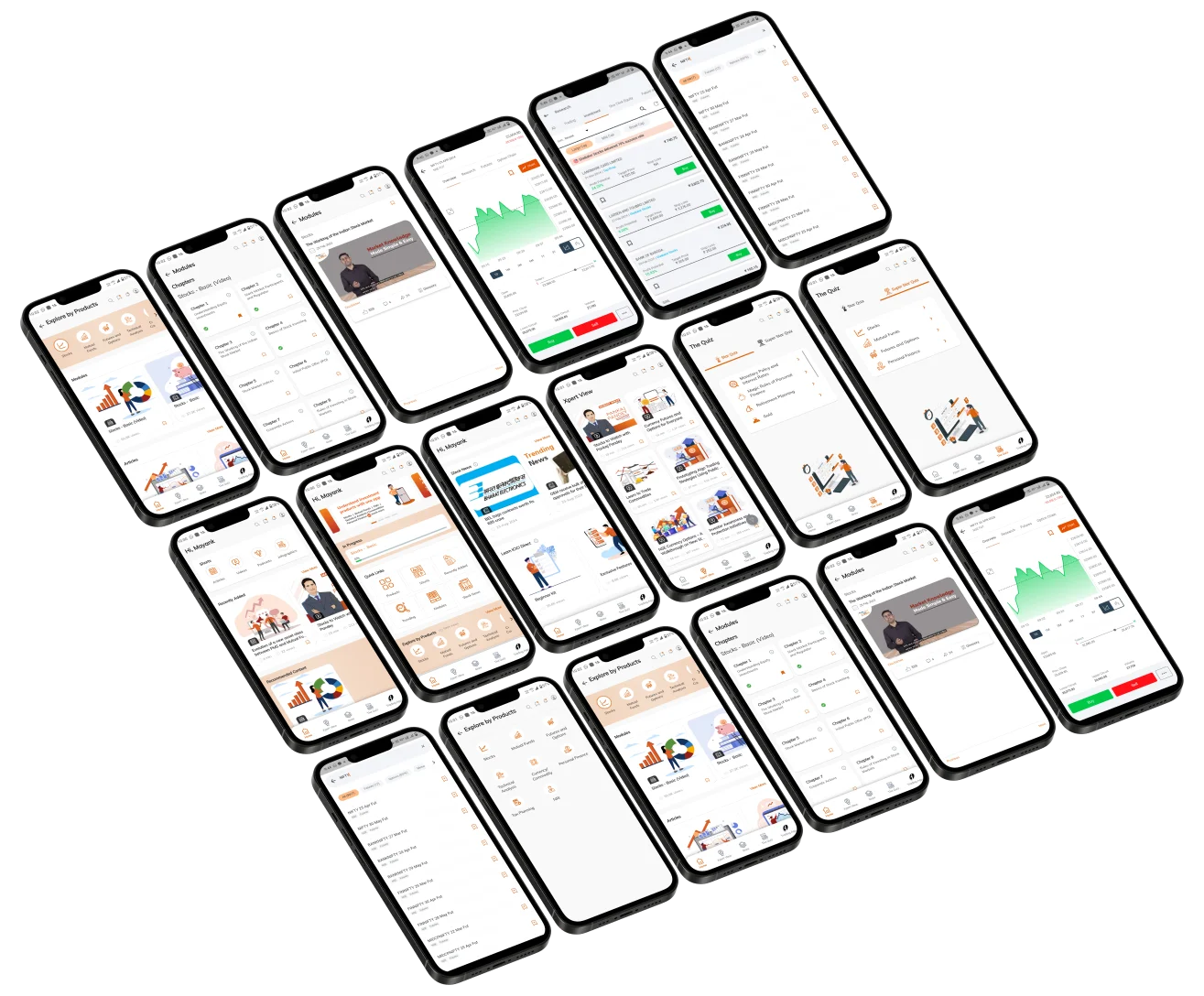
iLearn application
Elevate Your Financial Knowledge with the
ICICI Direct iLearn App





A derivative is an instrument that derives its value from an underlying asset. Think of derivatives as curd, which is a by-product of milk. Without milk, you wouldn’t have curd. Similarly, without an underlying asset, derivatives cannot exist. Underlying assets can be stocks, a stock market index, commodities, bullion, currency, or anything else.
Derivatives are unique products which can help with managing risks in your investment portfolio. At the same time, they can be used to take advantage of arbitrage or speculative opportunities.
In India, there are essentially two derivatives that people, including NRIs, can invest in. These are:
Futures are contractual agreements to buy or sell the underlying security on a specified date at a pre-decided price. There are two kinds of futures derivatives available:
Options are derivative instruments that give a buyer the option but not an obligation to buy or sell a security at a predetermined price on a particular date. Once again, the two types of options available are:
Yes. All NRIs can trade in derivatives subject to certain norms as prescribed under the Foreign Exchange Management Act (FEMA) and as mandated by the Reserve Bank of India, Securities and Exchange Board of India, National Stock Exchange, Bombay Stock Exchange and other regulatory bodies from time to time.
Also Read: NRI Demat Account Online Procedures & Charges
NRIs are offered all the above types of derivative instruments, which are:
No. Shares as a margin facility is not available to NRI customers
As per regulatory guidelines, NRIs can trade in derivatives only with their NRO account on a non-repatriable basis. NRIs can trade in derivatives through their NON-PINS NRO account.
Also Read: NRI Investments in NCDs: Eligibility Rules and Tax Implications
Hence to trade in derivatives market in India, NRIs have to open NRO Non PINS account and submit the above documents. The existing customers of a broking house may need to submit less documents as they already have an account and investors need to check with their respective broker.


Understand contango in commodity trading, how futures prices differ from spot prices, and how financing, storage and insurance costs influence commodity pricing.
 215 views
 1 minutes
 19 Oct 2026
Copper is a widely used base metal known for its electrical and thermal conductivity, strength, ductility and corrosion resistance. It is used across electrical wiring, construction, machinery, power infrastructure and several industrial applications.
427 views
2 minutes
09 Oct 2026
Natural Gas is a widely traded energy commodity used for electricity generation, industrial activity, heating and other applications. Its prices can react sharply to weather, supply and demand, inventories, global energy markets and geopolitical developments.
708 views
1 minutes
30 Sep 2026

Elevate Your Financial Knowledge with the
ICICI Direct iLearn App
Elevate Your Financial Knowledge with the
ICICI Direct iLearn App
