



-202610121017596081271.jpg)



Download
iLearn application
Elevate Your Financial Knowledge with the
ICICI Direct iLearn App




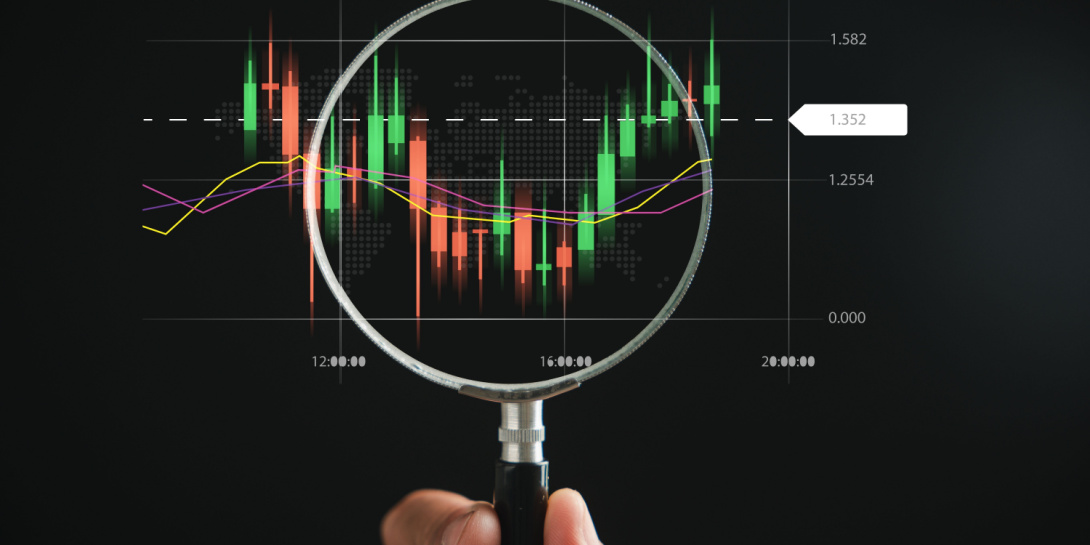
Index options trading involves speculating on - and potentially profiting from - the future direction of a stock market index. In this article, we shall take a closer look at what is index option trading and how it works, empowering investors to make informed decisions and navigate the market with confidence.
Index options trading involves the buying or selling of contracts that grant the holder the right, but not the obligation, to buy or sell an underlying stock market index at a predetermined price (strike price) on or before a specified date (expiration date). These contracts derive their value from the performance of the underlying index.
Index options trading is characterised by several key features:
The mechanism of index options trading revolves around the interplay between the strike price, the underlying index's value, and the contract's expiration date.
At the expiration date, the contract is either exercised (settled) or expires worthless. The profit or loss for the buyer or seller is determined by the difference between the strike price and the underlying index's value at expiration.
Index options trading encompasses many strategies, each tailored to specific market conditions and risk tolerance levels.
Index options trading offers several potential benefits, including:
However, trading in index options also carries inherent risks, including:
In India, trading in index options is a popular and well-regulated activity. The National Stock Exchange (NSE) and the Bombay Stock Exchange (BSE) offer a range of index options contracts based on various Indian stock market indices. Index options trading offers a versatile and potentially lucrative avenue for traders seeking to capitalise on market movements. However, it is crucial to approach this strategy with caution, understanding the inherent risks and implementing appropriate risk management measures. Consulting with experienced financial advisors is highly recommended to gain a comprehensive understanding of index options trading and make informed investment decisions.


Understand contango in commodity trading, how futures prices differ from spot prices, and how financing, storage and insurance costs influence commodity pricing.
 203 views
 1 minutes
 19 Oct 2026
Copper is a widely used base metal known for its electrical and thermal conductivity, strength, ductility and corrosion resistance. It is used across electrical wiring, construction, machinery, power infrastructure and several industrial applications.
420 views
2 minutes
09 Oct 2026
Natural Gas is a widely traded energy commodity used for electricity generation, industrial activity, heating and other applications. Its prices can react sharply to weather, supply and demand, inventories, global energy markets and geopolitical developments.
695 views
1 minutes
30 Sep 2026

Elevate Your Financial Knowledge with the
ICICI Direct iLearn App
Elevate Your Financial Knowledge with the
ICICI Direct iLearn App
