



-202610121017596081271.jpg)



Download
iLearn application
Elevate Your Financial Knowledge with the
ICICI Direct iLearn App





Gone are days when trading meant voice and hand signals on a busy and bustling trading floor. Thanks to the advent of technology, any individual in India can now trade online hassle-free from the comfort of their living room. An important tool that enables this convenience is a trading account. A trading account connects an investor who is sitting in front of their computer or smartphone to the stock exchanges.
Here is a step-by-step guide on trading equities digitally using a trading account as an Indian investor.
Trading stocks digitally through an online account offers key benefits compared to traditional offline trading.
Leading Indian brokers provide robust online and mobile platforms available 24/7, allowing you to place orders whenever it suits you, even when markets are closed.
Online trading platforms give real-time streaming quotes, Indian market data, and global market feeds. This helps you make informed decisions based on live prices.
Top Indian brokers offer advanced charting, screening, risk analysis, research reports, recommendations, and analytics to find suitable investment opportunities.
Online brokers charge much lower brokerage, transaction fees, and other costs compared to traditional brokers. In fact, many offer zero brokerage plans.
You can access your demat account from any internet-connected device. This allows investors to monitor their portfolios and trade on the go seamlessly.
Leading online brokers provide educational material, guides, videos, e-courses, and virtual seminars to help you learn online trading.
Follow these steps to begin trading stocks online in India:
Research and select a trusted SEBI-registered Indian online broker that matches your preferences like account minimum, brokerage plans, tools, customer support, and ease of use.
Fill up the online application form and submit KYC documents to open a Demat and Trading Account. Approval is quick. You'll need a PAN Card, Aadhaar, and basic personal details. Brokers require a minimum initial deposit, usually Rs. 500-2,000.
Fund your account by linking your bank account to enable online fund transfers or UPI payments. Make sure you have adequate balance to cover the initial deposit amount. You can also fund via NEFT, IMPS, cheques, or liquid mutual funds transfer.
Now start trading! Log in to your broker's website or app, research stocks, enter a symbol, quantity, order type, and price, review, and tap buy/sell to place your order. Trades execute in real-time. Use limit orders, not market orders.
Monitor your holdings daily, and track stock performance, news, and results. Set alerts and use risk management strategies. Reinvest dividends, add funds regularly, and rebalance periodically. Review your account value over time.
With an online trading account, you can now invest in Indian stocks and build a portfolio conveniently from anywhere. By selecting a trusted Indian broker, funding your account, placing trades, and managing your portfolio, you can buy and sell shares digitally. Research thoroughly, start small, diversify, and use disciplined risk management. Online trading is a modern-day blessing that lets you take full control of your investments.


Understand contango in commodity trading, how futures prices differ from spot prices, and how financing, storage and insurance costs influence commodity pricing.
 190 views
 1 minutes
 19 Oct 2026
Copper is a widely used base metal known for its electrical and thermal conductivity, strength, ductility and corrosion resistance. It is used across electrical wiring, construction, machinery, power infrastructure and several industrial applications.
409 views
2 minutes
09 Oct 2026
Natural Gas is a widely traded energy commodity used for electricity generation, industrial activity, heating and other applications. Its prices can react sharply to weather, supply and demand, inventories, global energy markets and geopolitical developments.
676 views
1 minutes
30 Sep 2026

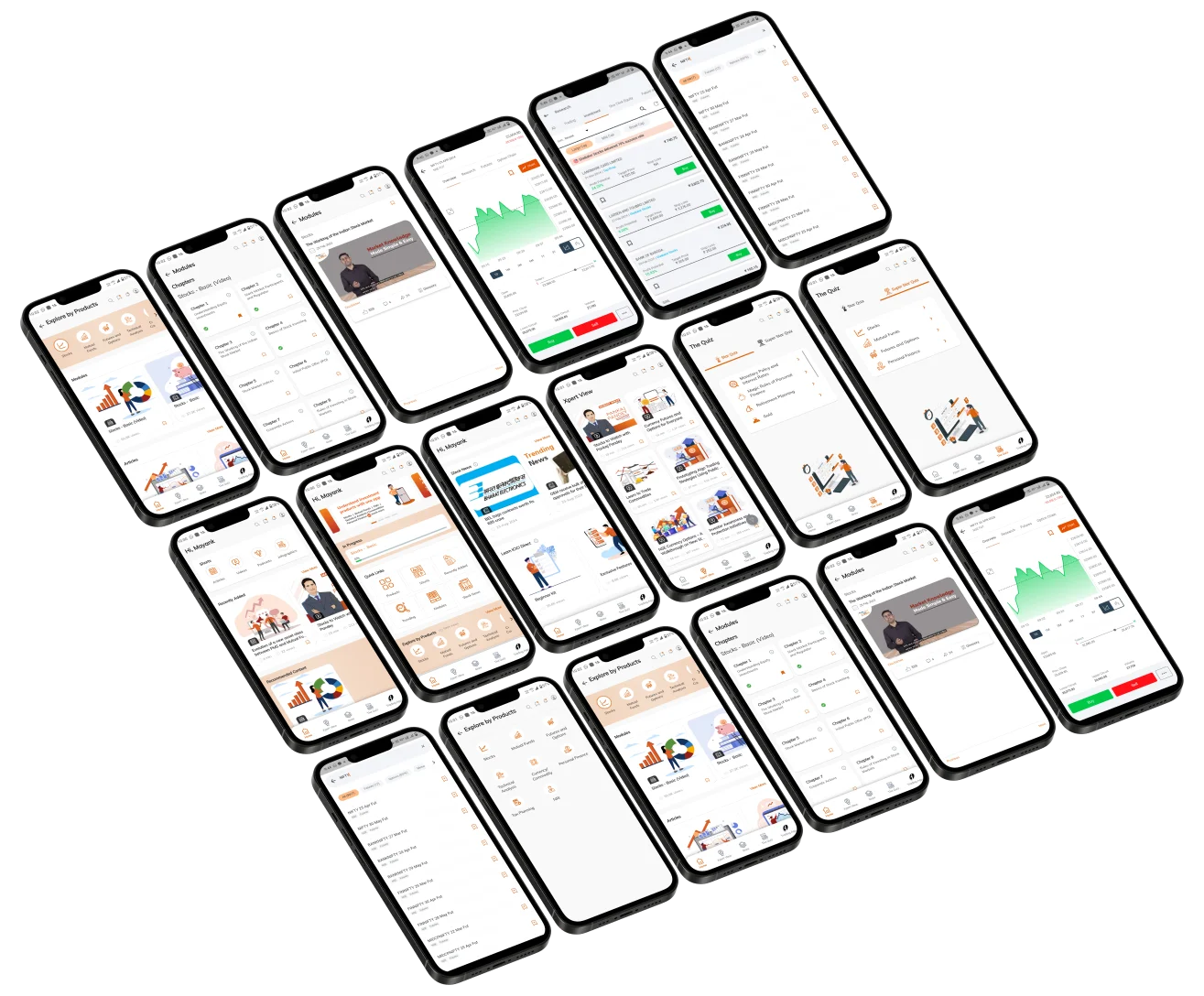
Elevate Your Financial Knowledge with the
ICICI Direct iLearn App
Elevate Your Financial Knowledge with the
ICICI Direct iLearn App
