


-202610121017596081271.jpg)




Download
iLearn application
Elevate Your Financial Knowledge with the
ICICI Direct iLearn App





Equity Trading primarily deals with buying and selling of shares of a company. These shares get traded publicly or privately, based on whether the company is a listed entity. The Share Market is populated with shares of different companies that traders buy and sell depending on their research and choice. However, be careful while navigating through the Share Market trading as there are many intricacies attached to it.
Equity implies ownership. If you hold shares in, say, company ABC Ltd, it means you have a certain level of ownership of that company. Along with an inherent sense of ownership, you can take advantage of Equity Trading if you believe that a specific company share will appreciate significantly and earn your investment and more.
Equity trading mostly takes place on stock exchange platforms. The National Stock Exchange and the Bombay Stock Exchange are the two biggest stock exchanges. In this tech-driven world, the tools needed to engage in Share Market are only a few:
People are lured into Equity Trading with the idea of making lots of money through investing in the stocks of successful companies. However, this does not necessarily always hold. Equity Trading is a complex, thought and research-driven exercise which requires in-depth analysis such as:
Equity Trading comes with a set of benefits and drawbacks:
Easy entry & exit: The Share Market is enormous, and you mostly always have takers and givers for shares you wish to trade.
Wealth creation: Through dividends and capital growth of your chosen company's stock, you can look to build your corpus.
Volatile: There is no guarantee of which direction your chosen company's share value will move in. Also, there is a possibility of significant losses.
No Fixed Returns: Unlike a Debt instrument, Equities do not offer any fixed timely returns and hence cannot be relied upon for a regular stream of cash inflow.
The Share Market is not for the faint-hearted. Your golden rule is to think before trading. The dynamics of demand and supply apply here, deciding the value of your intended company's shares. But if you stick through and indulge in fundamental research before Equity Trading, the results can surprise you.


Copper is a widely used base metal known for its electrical and thermal conductivity, strength, ductility and corrosion resistance. It is used across electrical wiring, construction, machinery, power infrastructure and several industrial applications.
 270 views
 2 minutes
 09 Oct 2026
Natural Gas is a widely traded energy commodity used for electricity generation, industrial activity, heating and other applications. Its prices can react sharply to weather, supply and demand, inventories, global energy markets and geopolitical developments.
460 views
1 minutes
30 Sep 2026
Gold is more than a precious metal. It is a safe-haven asset, investment avenue, central-bank reserve asset and industrial commodity. For a commodity trader, understanding both Gold's fundamentals and the contract being traded is important.
586 views
3 minutes
23 Sep 2026

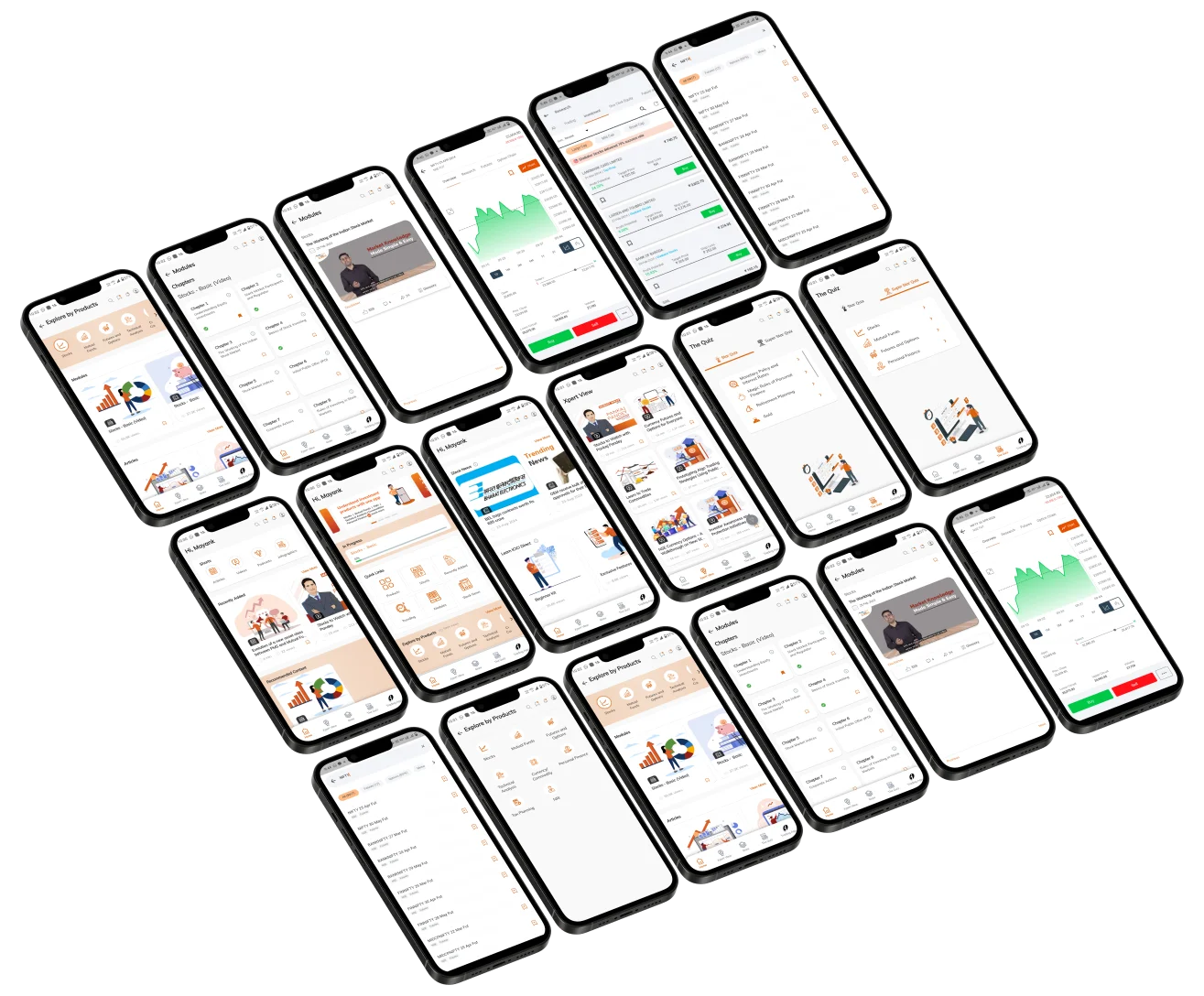
Elevate Your Financial Knowledge with the
ICICI Direct iLearn App
Elevate Your Financial Knowledge with the
ICICI Direct iLearn App
