


-202610121017596081271.jpg)



Download
iLearn application
Elevate Your Financial Knowledge with the
ICICI Direct iLearn App




Demat Account refers to the account in which shares and securities are held in an electronic format.
The word Demat stands for dematerialisation. The Demat system was introduced in India in 1996 for trading on stock exchanges. Earlier, investors could hold their market securities in the physical form. However, after dematerialisation was introduced, the Securities and Exchange Board of India mandated all investors to open a Demat Account and hold their securities in the electronic form.
The purpose of a demat account is to hold shares and securities in an electronic format. Holding shares or equities in their physical form is not just outdated, but is also cumbersome. Additionally, there are several concerns associated with holding shares physically. For instance, physical shares could be lost, damaged or misplaced. Also, since SEBI made dematerialisation mandatory, you cannot sell your securities in the absence of a Demat format. When stored in an electronic form, your securities are safe. In Demat, the physical shares are converted to the electronic form, making it easy to access and trade in them. Today, there is no trading of physical shares.
Let’s say you purchased Company X’s shares. Earlier, when you bought shares, they would be physically transferred to you in the form of share certificates. The share certificates would have your name on them. Every time a share was sold or transferred, the new owner’s name was added on to the certificate. This involved a lot of paperwork and time. Certificates could be lost in transit and then to get them re-issued would take months.
The Demat system did away with the paperwork and made the share-holding process a lot more safer and convenient. All information is stored electronically, making it simple to hold, trade and transfer securities online.
Additional Read: Demat Account-History and Overview
The Demat Account opening process can also be completed offline. Download the account opening form from your DP’s website, fill it and submit it at one of the branches along with the documents listed in their official valid documents (OVD) list.
Demat Account opening involves annual maintenance and transaction charges. Many service providers also offer free Demat Account opening services.
If you want to trade in securities in the Indian market, then having a Demat Account is mandatory. Demat Accounts have made it easier to hold investments and transfer them with ease. You can open a 3-in-1 Demat, Trading and Savings Account with ICICI Direct within a matter of minutes.
1. What type of account is Demat?
A Demat Account is an online account in which securities are stored electronically. It helps facilitate the trading of securities.
2. What are the benefits of Demat?
There are numerous benefits of a Demat Account. For one, it eliminates the possibility of damage, loss or theft of security certificates. This was prevalent when the securities were held in the physical format. Moreover, it is easy to trade in securities when holding electronic certificates. Securities are immediately transferred. Demat Accounts have also eliminated the need for stamp duty and other additional charges, making trading cheaper.
3. Is DP and Demat Account same?
DP or a Depository Participant is the intermediary between stock exchanges and investors. DPs are the ones who issue Demat Accounts. On the other hand, Demat Accounts are online accounts for holding and helping facilitate the trade of securities.
4. How does a Demat Account work?
A Demat Account is where securities are stored after you purchase them. You need to link your Demat Account with a Trading Account to be able to trade in these securities. When you want to buy or sell a security, you must login to your trading account, put in a buy or sell request for a security and then wait for your DP to forward this to the stock exchange. Once this is done, the securities are either credited to (or debited from) your Demat Account, where they are held until you trade in them further.


Copper is a widely used base metal known for its electrical and thermal conductivity, strength, ductility and corrosion resistance. It is used across electrical wiring, construction, machinery, power infrastructure and several industrial applications.
 244 views
 2 minutes
 09 Oct 2026
Natural Gas is a widely traded energy commodity used for electricity generation, industrial activity, heating and other applications. Its prices can react sharply to weather, supply and demand, inventories, global energy markets and geopolitical developments.
426 views
1 minutes
30 Sep 2026
Gold is more than a precious metal. It is a safe-haven asset, investment avenue, central-bank reserve asset and industrial commodity. For a commodity trader, understanding both Gold's fundamentals and the contract being traded is important.
559 views
3 minutes
23 Sep 2026
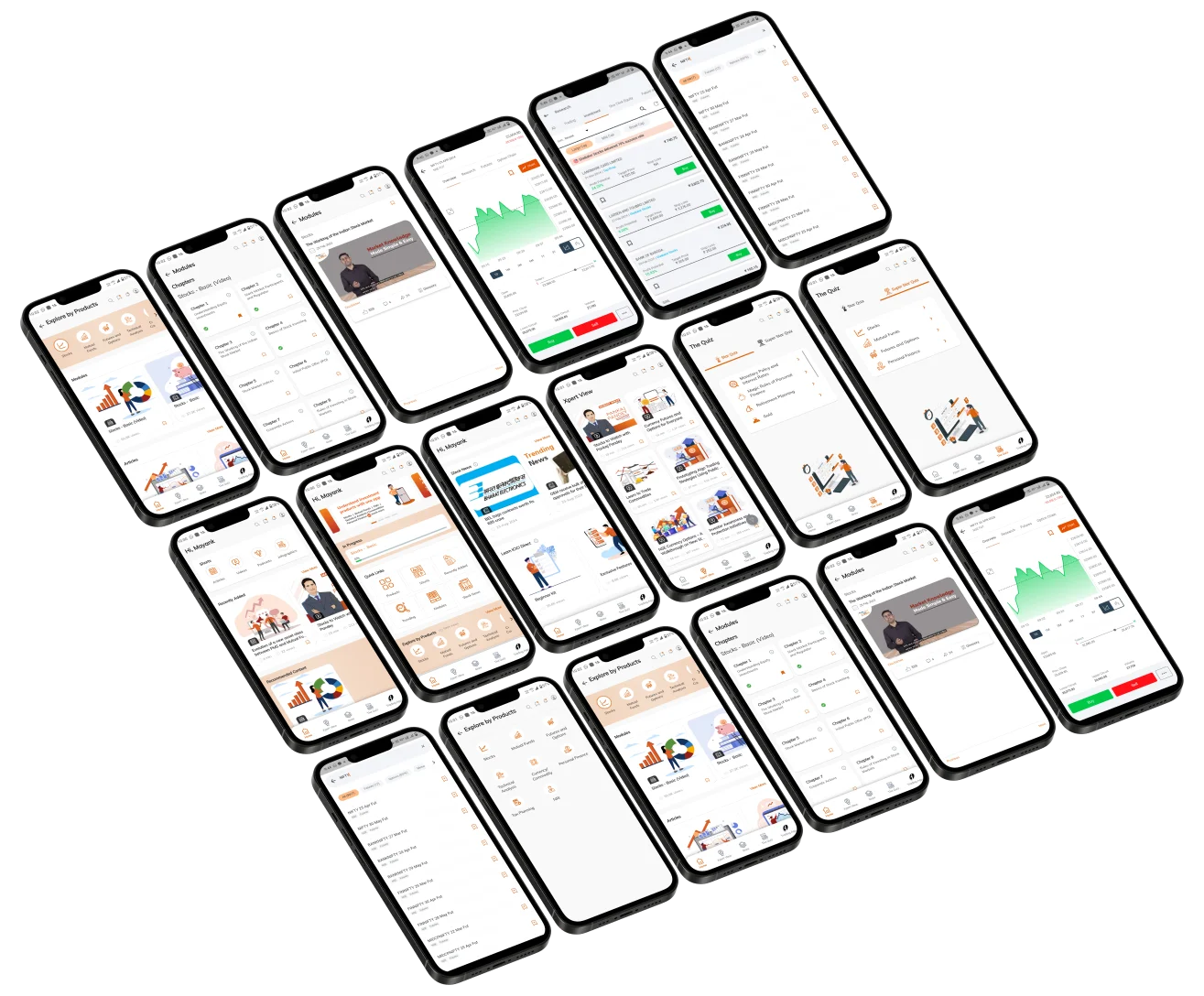
Elevate Your Financial Knowledge with the
ICICI Direct iLearn App
Elevate Your Financial Knowledge with the
ICICI Direct iLearn App
