







Download
iLearn application
Elevate Your Financial Knowledge with the
ICICI Direct iLearn App





Some traders view intraday trading as highly complicated and risky. A few others have learned what it takes to be a successful trader through positive thinking and discipline. And a sound trading strategy that determines an appropriate risk-reward ratio.
So, if you're looking to make intraday trading a profitable endeavour, it’s time to leave the stress behind and follow the right steps. So, while there is no one-size-fits-approach when trading in the stock market, certain rules and tips can help improve your chances.
Before you delve into the world of intraday trading, create a rule book for yourself. This should set the guidelines concerning how much capital you are willing to invest, losses you can stomach, your risk-reward ratio, etc. You may also want to narrow down on specific industries or sectors for a more profitable trading experience.
Additional read: Getting Started with Intraday Trading
Avoid investing based on random tips from unreliable or unverified sources. Instead, look to studying and researching the stocks you want to invest in. To start with, you may want to bet on some blue-chip liquid stocks with high-volume trades. This will help you square off your position more efficiently without undermining your situation.
Diversification is great for long-term investments. However, when it comes to intraday trading, it is better to stick to a few stocks that you believe in and can monitor rather than opening too many positions.
An important rule to follow when engaging in intraday trading is to set a stop loss level for every trade. Doing so can ensure you plug your losses at a certain level without dipping further. In addition, it can help you protect your capital.
Do not let emotions overtake your decisions when trading in the stock market. Instead, define your own profit goals and if your stock has reached that level, exit the position and book your profit.
When it comes to making profits in the financial markets, you require several skills. These include seeking suitable risk vehicles, entering positions at the right time and managing them astutely without panic or emotion. But more importantly, you need to know when to exit when the stock starts moving in other direction. It is not difficult to get out at the right time, but you need to closely observe price actions and follow stop loss.
Additional read: Things to Know While Doing Intraday Trading
If market movements are too confusing for you to trade, you may want to take a step back and do nothing. Wait for better opportunities. You’d rather be confident of your trade than dip your feet in murky waters and suffer a large loss.
Some traders try to bet against the market, hoping they can clock in a big, fat profit if it goes well. But market trends and technical analysis exist for a reason. For one, trends indicate the direction in which stock prices are moving. So, do not attempt to outsmart the market. Instead, stick to the cues, and you are more likely to come out profitable.
Euphoric buying and panic selling are two common characteristics seen among novice traders. The idea is to keep emotions at bay when looking for profitable trading. Rather, trust your research and follow the technical indicators instead of reacting to how you feel in the moment.
Profitable trading in the stock market is only possible with the right tools. So, choose a trading platform that is easy to use, has different tools to help you with decision-making. To start trading open you demat account online.
There’s no magic trick that will ensure you make profits in the stock market. Instead, you have to be diligent, do your research and trade smartly. These tips can help smoothen out the complexities of intraday trading and lead you closer to a successful trading journey.


Explore the meaning of a mainboard IPO, SEBI's eligibility routes, NSE and BSE listing rules, key benefits, and the checks investors should make before applying.
 1 k views
 4 minutes
 13 Aug 2026
Commodity prices don't move in isolation. Along with demand-supply dynamics and geopolitical events, one global indicator that often influences commodity prices is the US Dollar Index (DXY).
1 k views
3 minutes
11 Aug 2026
Gold can react to inflation data, while crude oil may jump after an inventory report or geopolitical disruption.
961 views
4 minutes
21 Jul 2026

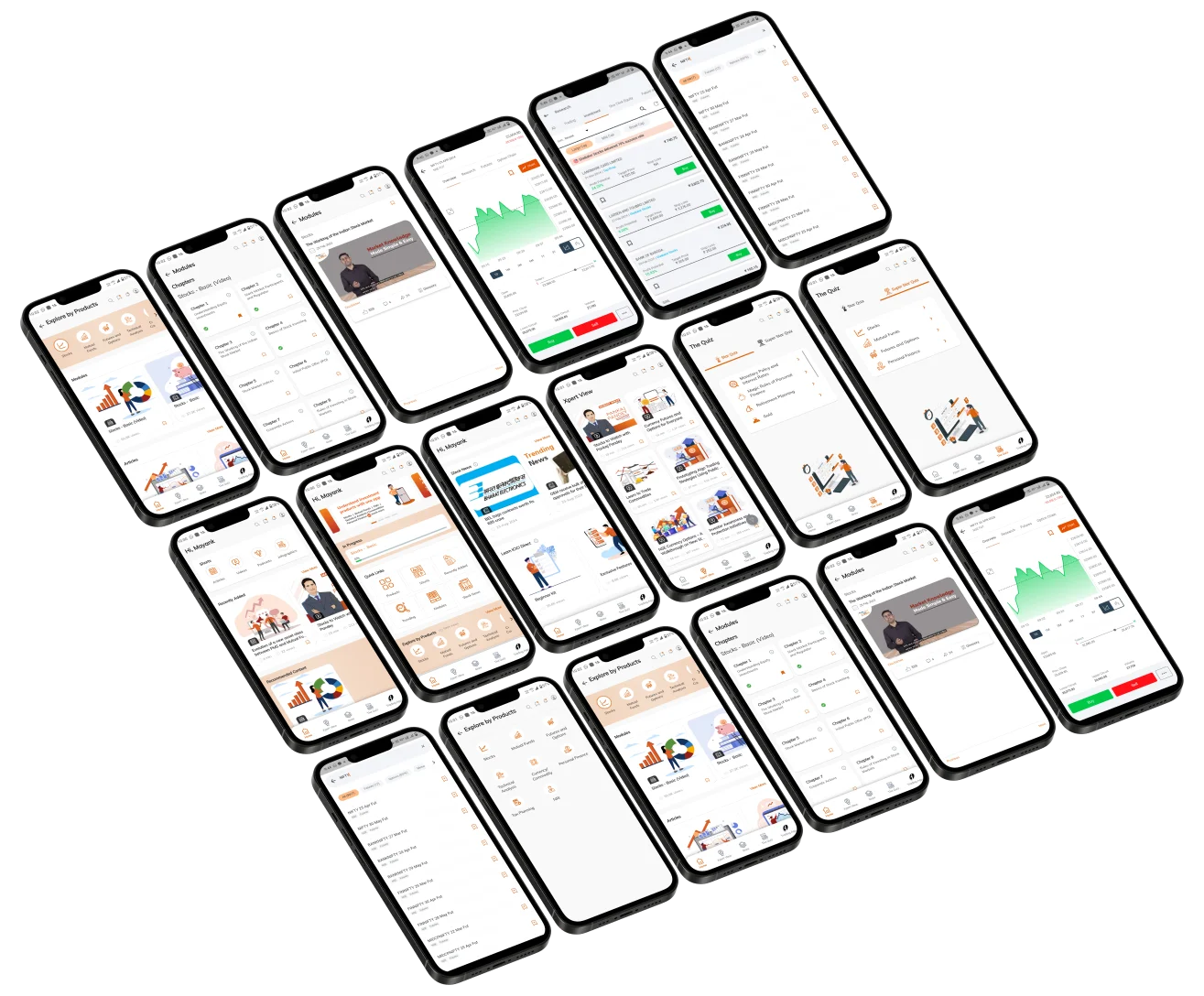
Elevate Your Financial Knowledge with the
ICICI Direct iLearn App
Elevate Your Financial Knowledge with the
ICICI Direct iLearn App
