



-202610121017596081271.jpg)



Download
iLearn application
Elevate Your Financial Knowledge with the
ICICI Direct iLearn App





Typically, borrowers approach banks for home loans for lower interest rates governed by external market standards. This way, you as a borrower have more control over your loan in terms of knowledge of the changing interest rates linked to an external market. On the other hand, NBFCs have internal benchmarks governing interest rates that are usually high and not tied to external market standards. But NBFCs are more flexible in offering the home loan in the first place compared to banks that have strict eligibility criteria. An individual with a lower credit score has more chances of getting a home loan from an NBFC than a bank. So, besides interest rates, other factors also determine which lender will suit you the best.
Additional Read: Enhance your home loan eligibility
If a lower interest rate is your prime concern, opt for a bank home loan. That is especially valid when you are confident of your high credit score. But with a high credit score, you can also negotiate the terms of your home loan, including the interest rate. This flexibility is possible with NBFCs as their regulations are not governed by the RBI but internally on an individual basis. Additionally, NBFCs have far lesser processing time.
A home loan from a bank with a low credit score can be a distant possibility. But that does not mean you have to give up on building your dream house. If your current income allows you to bear higher interest rates, NBFCs can come to resurrect your dream. You can always transfer your loan to a bank later if you want.
Additional Read: Home Loan vs Loan Against Property
Interest rates are not the only determining factor for applying for a home loan. The loaning institution itself also matters. While lower interest rates offered by banks could be most appealing, compare other factors based on your credit history, urgency, and financial goals. And each repayment is an opportunity to enhance your credit score. If you have opted for NBFCs for your home loan now, you always have the chance to return to banks if that’s where your financial moorings are.


Understand contango in commodity trading, how futures prices differ from spot prices, and how financing, storage and insurance costs influence commodity pricing.
 216 views
 1 minutes
 19 Oct 2026
Copper is a widely used base metal known for its electrical and thermal conductivity, strength, ductility and corrosion resistance. It is used across electrical wiring, construction, machinery, power infrastructure and several industrial applications.
427 views
2 minutes
09 Oct 2026
Natural Gas is a widely traded energy commodity used for electricity generation, industrial activity, heating and other applications. Its prices can react sharply to weather, supply and demand, inventories, global energy markets and geopolitical developments.
709 views
1 minutes
30 Sep 2026

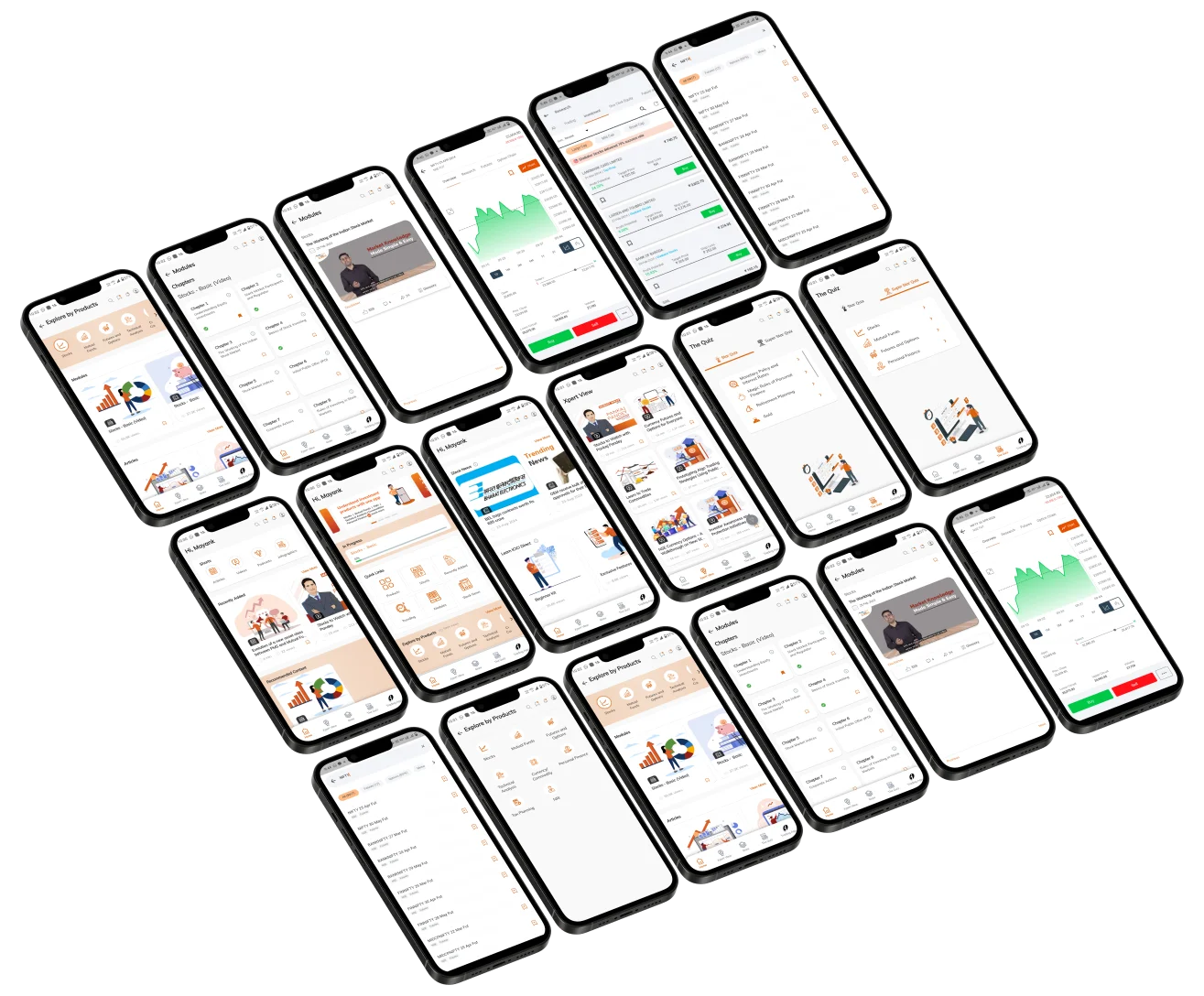
Elevate Your Financial Knowledge with the
ICICI Direct iLearn App
Elevate Your Financial Knowledge with the
ICICI Direct iLearn App
