







Download
iLearn application
Elevate Your Financial Knowledge with the
ICICI Direct iLearn App


The financial markets offer a plethora of investment options. If you want access to additional assets or markets, derivatives are a great investment option.
Derivatives are financial instruments that derive their value from underlying assets such as commodities, currencies, gold, bonds, stocks, and market indices. When you trade in derivatives, you earn by estimating the future price of the asset. Futures and Options are common derivatives in which two parties enter into an agreement to buy or sell an asset at a pre-determined price. This transaction has to be done on or before a future date.
Additional Read: How to link Aadhar Card with your Demat Account?
Futures are derivative contracts in which the buyer and seller make a pact to buy or sell the underlying asset at a predetermined date and price. Also known as Futures contracts, they allow buyers and sellers to lock in the price at which the trade will be executed.
By the expiry date, the trade must be executed at the predetermined price regardless of any changes. This serves as one of the main advantages of Futures contracts. Types of Futures include Index Futures, Stock Futures, Currency Futures, Commodity Futures, and Interest Futures.
Options are contracts in which the buyer and seller have to execute the trade – buy or sell - in the underlying asset at a pre-determined price and date. In this case, the buyer is not obliged to execute the contract, and can allow the option to expire. However, the seller is obligated to execute the contract if the buyer decides to proceed with it. This flexibility is considered as one if the main benefits of Options contracts. There are two kinds of Options - Call Options and Put Options.
Additional Read: How to transfer shares from one Demat Account to another online?
Derivatives are of great significance in the financial world owing to the various advantages they bring with them. These include:
In financial markets, the direction of the asset’s price is unpredictable. Futures and Options allow buyers and sellers to decide on a specific price to trade in.
Futures and Options help avoid imbalance of pricing in the market. How? The prices of these derivatives and the underlying assets tend to be in equilibrium. This helps increase efficiency in the financial markets.
The cost of transacting in Futures and Options is lower as compared to the fees paid for trading shares and debentures. This reduces the transaction costs of these financial instruments.
Since the value of Futures and Options is related to the value of the underlying asset, the contracts are used for hedging risks. That is, you can offset your losses if your contract value moves in the opposite direction.
Futures and Options contracts allow investors, businesses, and municipalities to transfer the risk associated with them to other parties.
Trading in Futures and Options is now grabbing the attention of individual investors. At low transaction costs, you can access these financial instruments and hedge your position in the markets.
Additional Read: How to choose the best Demat Account


Understand contango in commodity trading, how futures prices differ from spot prices, and how financing, storage and insurance costs influence commodity pricing.
 140 views
 1 minutes
 19 Oct 2026
Copper is a widely used base metal known for its electrical and thermal conductivity, strength, ductility and corrosion resistance. It is used across electrical wiring, construction, machinery, power infrastructure and several industrial applications.
362 views
2 minutes
09 Oct 2026
Natural Gas is a widely traded energy commodity used for electricity generation, industrial activity, heating and other applications. Its prices can react sharply to weather, supply and demand, inventories, global energy markets and geopolitical developments.
613 views
1 minutes
30 Sep 2026

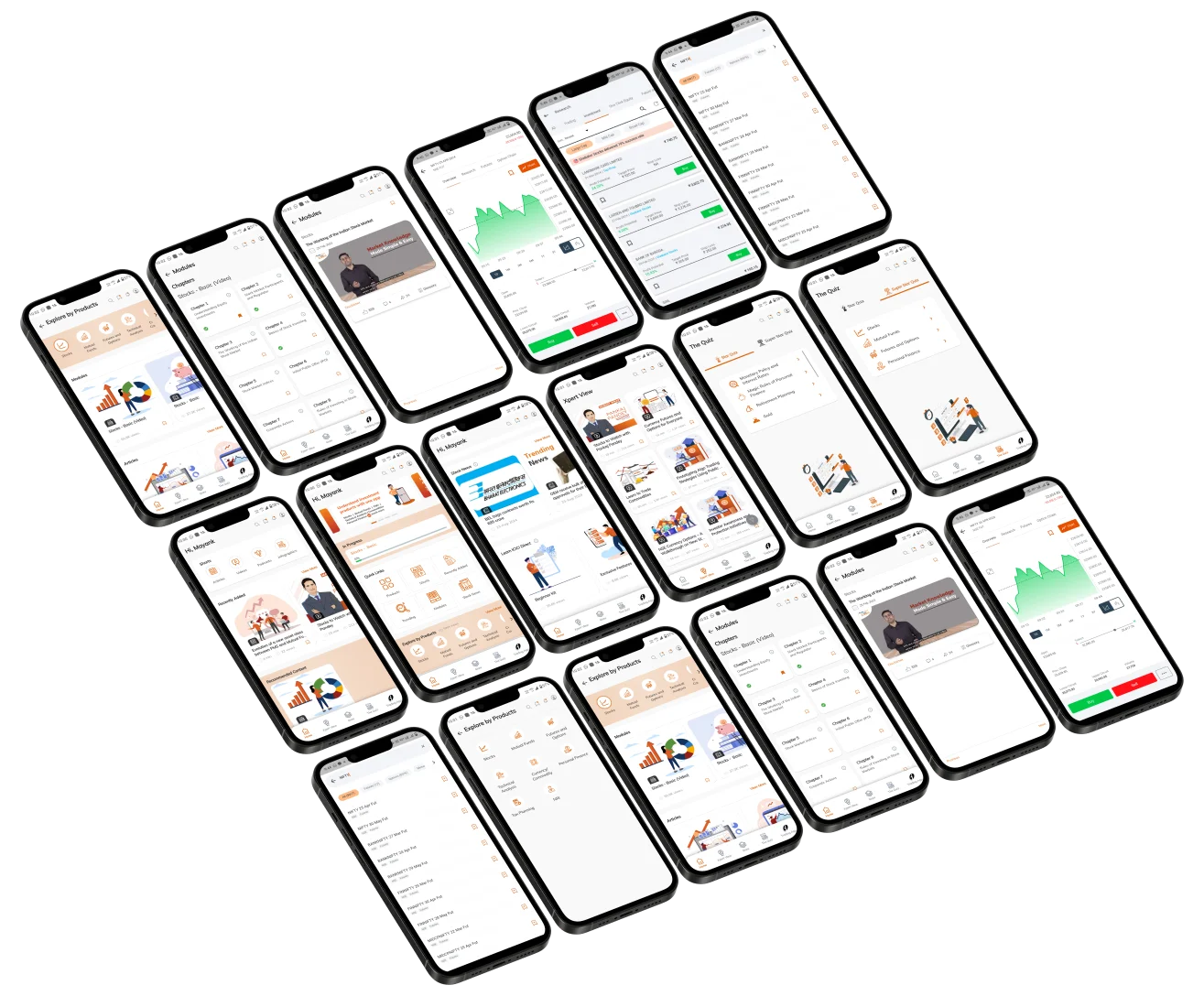
Elevate Your Financial Knowledge with the
ICICI Direct iLearn App
Elevate Your Financial Knowledge with the
ICICI Direct iLearn App
