







Download
iLearn application
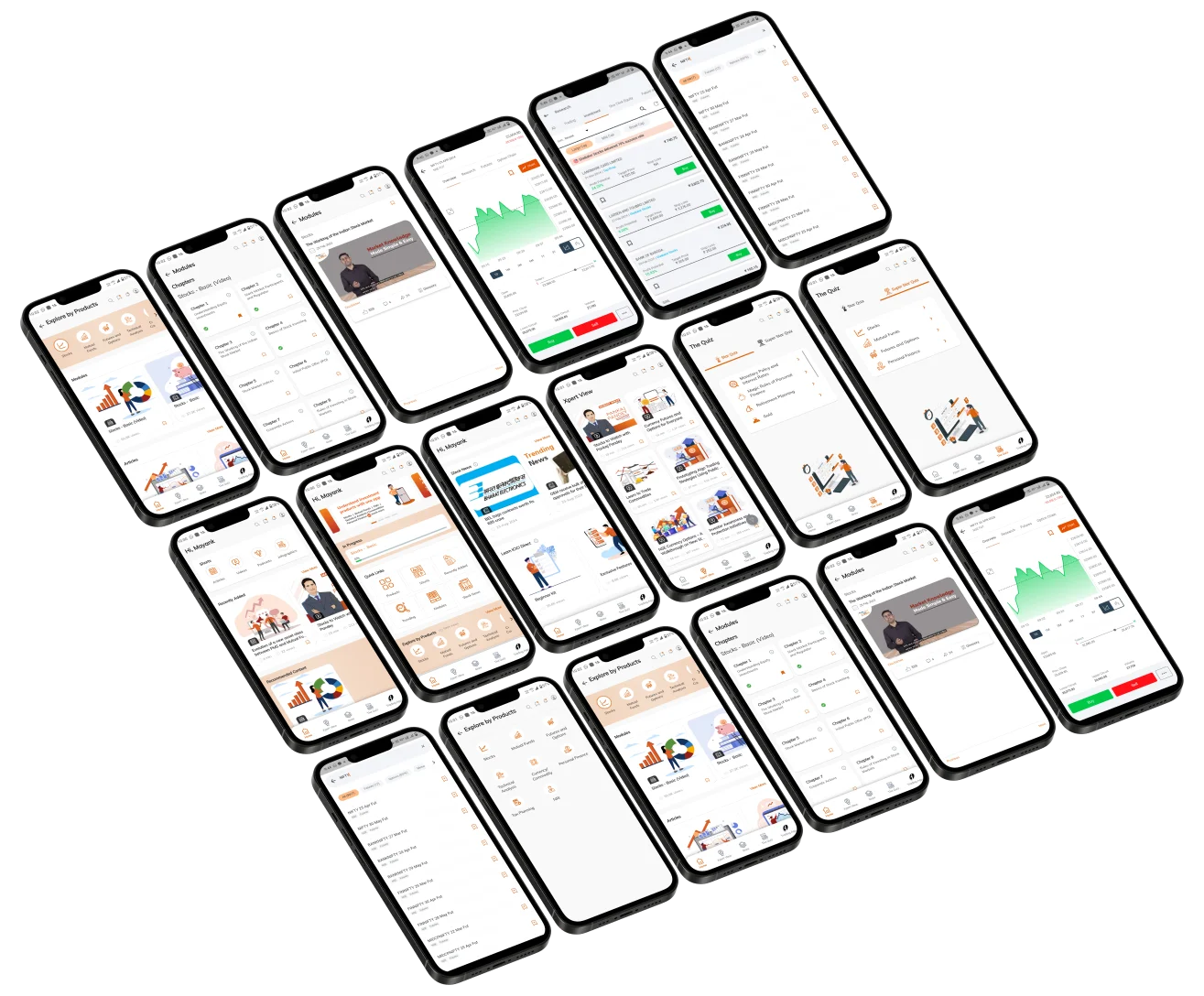
Elevate Your Financial Knowledge with the
ICICI Direct iLearn App




Every financial transaction needs to have at least two parties – a buyer and a seller. The same holds good for derivatives, including options. Options trading is a risky affair, but it is especially risky for options sellers. That is because the loss potential while selling options is unlimited. Then why engage in selling options?
It is often said that options are meant to be sold. Worldwide, it is primarily regarded that 80% of options expire worthlessly. That means that it is profitable to be an options seller. Nevertheless, the risk in selling options is still high, so an options seller needs to have a solid options selling strategy before entering the trade.
An options contract is a derivative contract between two parties to buy or sell an underlying asset at a predetermined price on a particular date in future. The buyer of an options contract has the right but not the obligation to fulfil the contract. The seller, however, has to honour the contract if the buyer exercises their right. The seller receives a premium on the options contract for assuming this risk.
Additional Read: Options Trading Strategies for the Indian Market
A seller can sell two options – a call option and a put option. A call option obligates the seller to sell an underlying asset at a particular price. A put option binds the seller to buy an underlying asset at a specific price.
Very often, options are not exercised, and they expire worthlessly. That means that the seller will profit from the transaction. The other exciting thing with options is that the value of an options contract declines as time passes. Therefore, you can book an offsetting trade at a lower premium and profit from it as an options seller. Yet, an adverse market movement can result in a massive loss if you don’t have the requisite options selling strategy in place. There are undoubtedly other considerations that you must make while selling options. Here are four aspects to consider before you get into options selling.
Additional Read: Key Differences between Options and Swaps
While selling options is often a strategy that institutional investors and large traders employ to limit risk or make profits, it is a route that retail investors can also consider. However, this must be done with adequate risk management tools in place. If you want to start trading in options, reach out to the nearest SEBI-registered broker to start on your journey.


Gold can react to inflation data, while crude oil may jump after an inventory report or geopolitical disruption.
 367 views
 4 minutes
 21 Jul 2026
Understand how crude oil trading works on MCX and also learn about contract sizes, expiry, trading hours, global benchmarks, price drivers and risks before you trade.
593 views
2 minutes
20 Jul 2026
Learn how to calculate the break-even point in commodity trading by factoring in brokerage, taxes, and other charges
1 k views
1 minutes
01 Jul 2026

Elevate Your Financial Knowledge with the
ICICI Direct iLearn App
Elevate Your Financial Knowledge with the
ICICI Direct iLearn App
