



-202610121017596081271.jpg)



Download
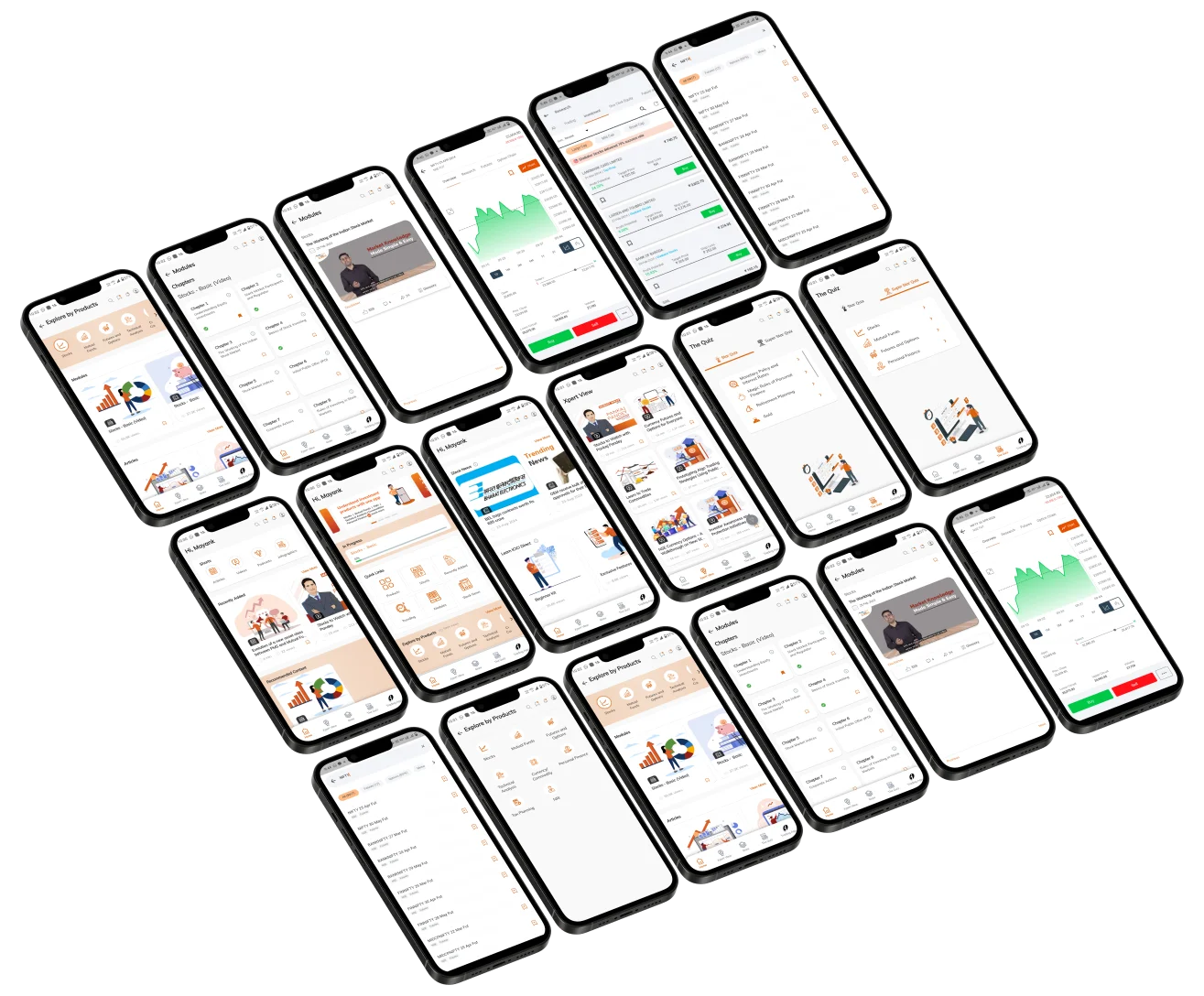
iLearn application
Elevate Your Financial Knowledge with the
ICICI Direct iLearn App





Investing in Bonds is a go-to option for both beginners and seasoned investors alike. Bonds are considered a safer bet than Equity Instruments as they are immune to market volatility. Let us look at the features of Bonds and the benefits of Bonds that make them popular:
Bonds are classified into four categories:
Fixed-Interest Bonds: These instruments offer a fixed interest rate throughout the maturity period. Investors receive the same interest regardless of the market conditions.
Floating-Interest Bonds: The interest rate of these instruments gets decided by the prevailing market conditions.
Perpetual Bonds: These Bonds do not have a maturity period, and the interest gets paid for perpetuity. However, the issuing company has no obligation to repay the principal amount.
Inflation-Linked Bonds: These Bonds get issued to combat the adverse effect of inflation. However, the interest rates offered are lower than fixed-interest Bonds.
Bonds can be both listed and unlisted. They can also be backed by the issuing company's assets, making them secured bonds, or be issued without any collateral. Here are the standard features of Bonds:
Face value: This refers to the price of a single Bond.
Interest or coupon rate: This refers to the amount that is payable periodically to the investor. The coupon can be fixed or floating.
Tenure: This refers to the time within which the Bonds mature. The obligation of the issuing company to keep paying the coupon continues until the maturity of the Bonds. The only exception is if the company or investors exercise the Put or Call option attached to the Bond.
Bond yield: It means the returns investors get from the Bond. The coupon rate, when divided by the current market Bond price provides returns. Yield and Bond price move in opposite directions. When the price rises, the yield declines; and when the Bond price falls, the output goes up.
Credit rating: This refers to the rating that is given to the Bonds by credit rating agencies. It is an assessment of the issuing company's performance in the long term and helps instil confidence in investors.
Many investors prefer investing in Bonds as they provide a steady source of income. Risk-averse investors are particularly keen on parking their money in Bonds and protecting themselves from sudden crashes in the stock market.


Understand contango in commodity trading, how futures prices differ from spot prices, and how financing, storage and insurance costs influence commodity pricing.
 203 views
 1 minutes
 19 Oct 2026
Copper is a widely used base metal known for its electrical and thermal conductivity, strength, ductility and corrosion resistance. It is used across electrical wiring, construction, machinery, power infrastructure and several industrial applications.
420 views
2 minutes
09 Oct 2026
Natural Gas is a widely traded energy commodity used for electricity generation, industrial activity, heating and other applications. Its prices can react sharply to weather, supply and demand, inventories, global energy markets and geopolitical developments.
695 views
1 minutes
30 Sep 2026

Elevate Your Financial Knowledge with the
ICICI Direct iLearn App
Elevate Your Financial Knowledge with the
ICICI Direct iLearn App
