






Download
iLearn application
Elevate Your Financial Knowledge with the
ICICI Direct iLearn App




When you take a home loan, personal loan, vehicle loan, business loan, or any other type of loan, the process does not just end with you paying off the EMIs. While paying off the last EMI is a sigh of relief, you have to close the loan properly to put an end to it once and for all. Not going through the loan closing procedure can put you in financial or legal trouble with your lender or bank. To avoid any hassle, follow the guidelines specific to your bank with care. Read on to know more about the general guidelines for loan closing.
The first prerequisite in the procedure to close a loan is keeping all the necessary documents with you when you visit your bank for loan closing. These documents include:
Whenever you have finished closing your loan, you will need a NOC or NDC that work as proof that you have cleared all your EMIs. The NOC/ NDC state the lender/ bank has no legal right to the collateral/ documents you had given at the time of taking the loan. These documents help in avoiding any conflicts. Remember to take a NOC/ NDC after you close the loan.
Lien on a property is generally applicable in the case of home loans or vehicle loans. When your loan gets approved, the lender/ bank might put a lien on your movable or immovable property to ensure you do not sell the property and pay off your dues. Make sure to visit the registrar with a bank official to remove the lien Thus, after your home loan repayment, you must visit the concerned office to remove the lien against your property.
A loan pre-closure is the closure of a loan before its due date. To close your loan before it ends, you have to:
Additional Read: 5 Ways Women Can Benefit from Taking Home Loans
After loan closing, remember to take a NOC/ NDC duly signed by your bank. Remember to take back your original documents kept with the bank. These will include important collateral documents like the sale deed, conveyance deed, power of attorney, and the like.
Additional Read: How To Claim Income Tax Benefit On Loans
The procedure to close a loan does not seem undoable once you know how to go about it. Remember, closing a loan is much better than leaving things unfinished. Without proper loan closing, you risk legal, financial, and CIBIL-score-related trouble.


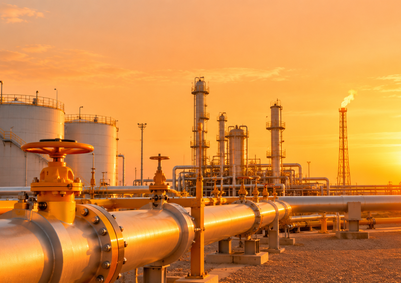
Natural Gas is a widely traded energy commodity used for electricity generation, industrial activity, heating and other applications. Its prices can react sharply to weather, supply and demand, inventories, global energy markets and geopolitical developments.
 143 views
 1 minutes
 30 Sep 2026
Gold is more than a precious metal. It is a safe-haven asset, investment avenue, central-bank reserve asset and industrial commodity. For a commodity trader, understanding both Gold's fundamentals and the contract being traded is important.
309 views
3 minutes
23 Sep 2026
Gold is one of the world's most actively traded precious metals and is widely used for investment, jewellery and industrial applications. It is also considered a safe-haven asset during periods of economic or market uncertainty.
669 views
3 minutes
07 Sep 2026

Elevate Your Financial Knowledge with the
ICICI Direct iLearn App
Elevate Your Financial Knowledge with the
ICICI Direct iLearn App
