



-202610121017596081271.jpg)


Download
iLearn application
Elevate Your Financial Knowledge with the
ICICI Direct iLearn App





If you want to avail of deductions to reduce your tax burden instead of opting for a flat rate, you need to do some planning before investing in tax-saving instruments. This is because not all of them offer the same kind of benefits, returns, liquidity, etc. Don’t think of it as just money you have to put aside to save tax, consider how you can maximise income and reduce risk. Let’s look at the top 7 tax saving options available:
PPF is a highly safe investment instrument because it offers guaranteed yield / returns at an interest rate of around 7-8%. You can reduce your taxable income by Rs. 1.5 lakh by investing in PPF, the interest you earn is tax free, and so is the final corpus on maturity. Moreover, it offers you the flexibility of investing small amounts. You can invest as little as Rs. 500 a year and even start withdrawing partially from the seventh year onwards. It has a lock-in period of 15 years.
It is a highly popular tax investment choice because of the significantly high returns it can deliver (over 10-12% on an average). In recent years, no other tax saving instrument has managed to give better returns than ELSS. However, since ELSS invests in equity, there are some risks involved too.
You have to pay tax on any gains after redemption. But gains of up to Rs.1 lakh are free from tax. The lock-in period for this instrument is one of the shortest – around 3 years. One way of reducing risk is to invest through a Systematic Investment Plan (SIP), which evens out the ups and downs of the stock market.
ULIPs are insurance-cum-investment options that enable you to invest and get insurance at the same time. Some portion of your premium goes towards investments, with the rest being used for insurance. You can reduce your taxable income by Rs.1.5 lakh under Section 80C on premiums paid, under certain conditions. Returns from ULIPs are tax free if premium paid is less than 10 per cent of sum assured. For policies purchased before 1 April 2012, premium must be less than 20 per cent of sum assured.
NSC is another very good option that will help you to save income tax of up to Rs. 1.5 lakh under Section 80C. The interest rates are the same as PPF. However, there are two main differences between PPF and NSC. One is that the tenure of NSC is five years compared to PPF’s fifteen years.. Another is that interest earned on NSC is taxable. It is added to your income and taxed according to your tax slab.
NSC, which has been offering returns of around 9% for the past 5-6 years, is a very good tax saving instrument that you can look at. You can save up to Rs. 2 lakh in income tax by
investing in it. It offers exposure to both equities and bonds. However, liquidity can be an issue here. You can only withdraw part of the sum when you retire at 60 years of age. The rest will have to be invested in an equity. If you want a pension after retirement, this is right for you.
If you are planning to buy a house now or in future, a home loan is a great option to save tax every year (during the tenure of the home loan), according to the Income Tax Act, 1961. You can avail tax benefits of up to:
By purchasing a health insurance policy, you can cover your hospitalisation charges as well as get deduction from taxable income of up to Rs. 25,000 on the premium that is paid, as per Section 80D. Of course, the major objective would be to get good health insurance cover; the tax exemption is just an added bonus.


Understand contango in commodity trading, how futures prices differ from spot prices, and how financing, storage and insurance costs influence commodity pricing.
 151 views
 1 minutes
 19 Oct 2026
Copper is a widely used base metal known for its electrical and thermal conductivity, strength, ductility and corrosion resistance. It is used across electrical wiring, construction, machinery, power infrastructure and several industrial applications.
372 views
2 minutes
09 Oct 2026
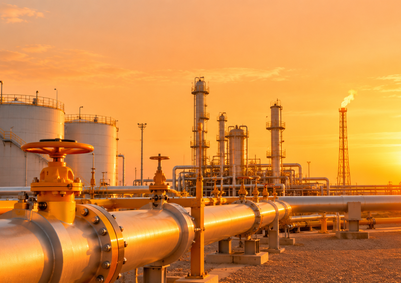
Natural Gas is a widely traded energy commodity used for electricity generation, industrial activity, heating and other applications. Its prices can react sharply to weather, supply and demand, inventories, global energy markets and geopolitical developments.
635 views
1 minutes
30 Sep 2026

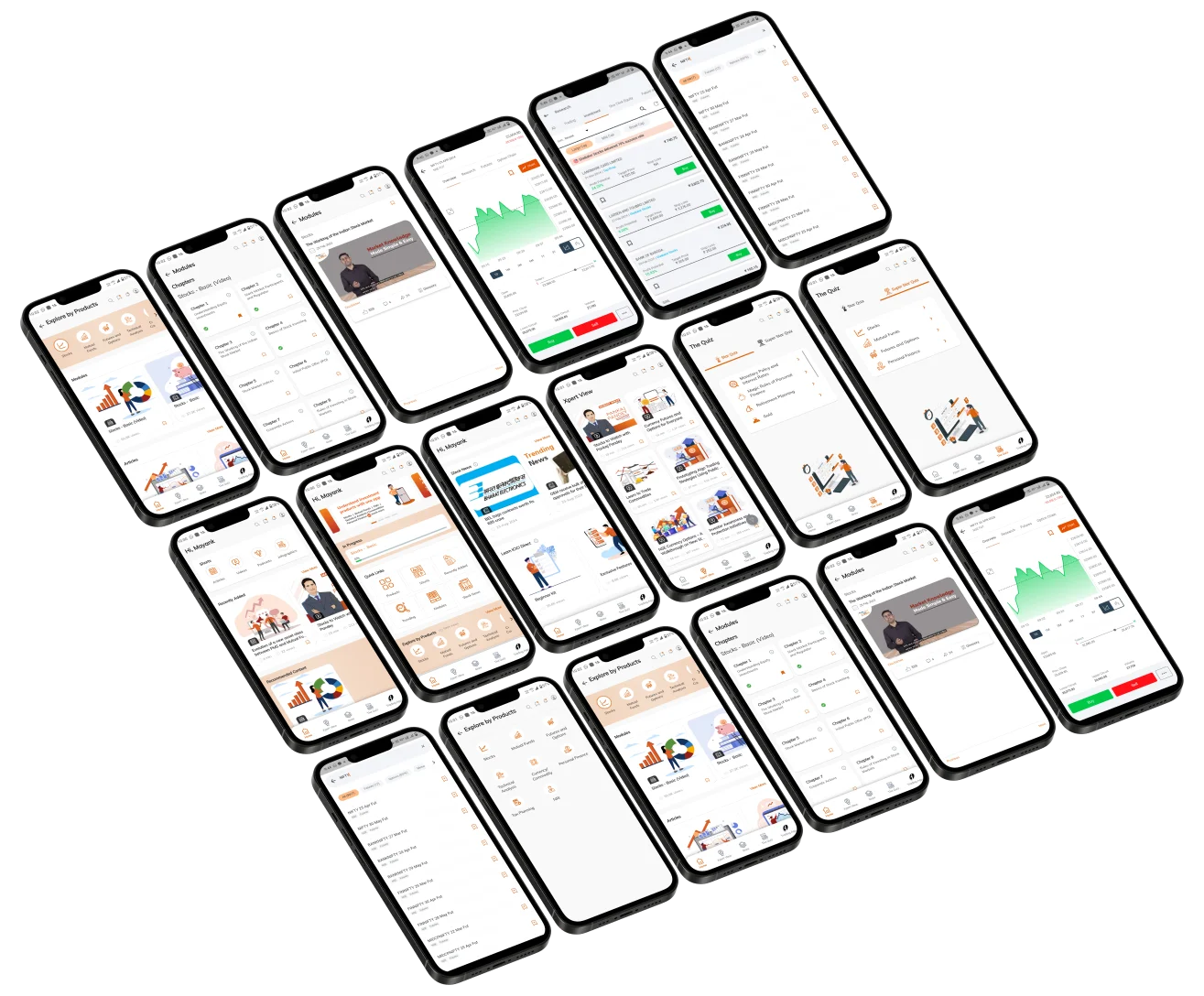
Elevate Your Financial Knowledge with the
ICICI Direct iLearn App
Elevate Your Financial Knowledge with the
ICICI Direct iLearn App
