



-202610121017596081271.jpg)



Download
iLearn application
Elevate Your Financial Knowledge with the
ICICI Direct iLearn App





Most people flock to the world of IPOs to make quick money. What people actually desire is to get allotment and then exit in less than 15 days at a neat profit. This is called as IPO flipping or better known as flipping IPO shares. It refers to quick exit from IPO so that the profit can be churned back into the IPO market or other investments.
In this segment, let us look at what is IPO flipping in greater detail and how to use it in practice. Flipping normally happens when the short term returns on the IPO are likely to be better than the long term returns. This is true for trending IPOs like Technology IPOs, real estate IPOs, digital IPOs etc. Let us look at in detail at what is flipping in IPO?
The concept of flipping is as old as the hills and it has been in existence in the financial markets for a very long time. What is this concept of flipping all about? Flipping represents the fact that investors buy an asset having a short holding time to make quick profits. The intention of this action is to sell the asset and make a quick profit and not to hold on to the asset for a long time. Certain assets work much better in the short run than in the long run so as well make hay while the sun shines.
Let us look at the concept of flipping in greater detail. Flipping is a generic term that can be applied to any scenario in which an asset is bought just to be sold in the short term, purely from making small profits. This can apply to stocks, volatile bonds, realty assets at the peak of the bull market, cryptocurrency, commodities, derivative positions and even for IPOs. It must be noted that flipping can be risky in cases where there is no scope to get a profit in the short run. Liquidity can be a major bottleneck if you are looking to flip out of a stock or any other asset at short notice.
When you speak about flipping, in terms of an IPO, it is a classic buy and scoot kind of approach. Typically, the investor would buy the IPO either, with or without funding, and will look to sell and exit the stock in the very first weeks, or even days, after the IPO listing. The investors who adopt this strategy to make money gain from the IPO pop, but this only works in an IPO that has a strong story. These are called the hot IPOs and are touted to have the potential to make big profits in the early days of their listings. From an investment perspective, flipping is not normally undertaken by serious long term investors looking at profitability through long term investments in IPO stocks.
Here is what you need to know about flipping in an IPO
As much as flipping looks exciting, it is also risky. If you want to be a flipper and make some salivating short-term gains, it is risky too. You must ensure that the upcoming IPO you are investing in, holds the promise of being profitable immediately post listing. Otherwise, flipping an IPO won’t work for you. More so, if you take on a funded IPO, it could just about backfire. You can also open a demat account, and try flipping with a few good stocks first. Flipping is exciting, but it is not for everyone.


Understand contango in commodity trading, how futures prices differ from spot prices, and how financing, storage and insurance costs influence commodity pricing.
 216 views
 1 minutes
 19 Oct 2026
Copper is a widely used base metal known for its electrical and thermal conductivity, strength, ductility and corrosion resistance. It is used across electrical wiring, construction, machinery, power infrastructure and several industrial applications.
427 views
2 minutes
09 Oct 2026
Natural Gas is a widely traded energy commodity used for electricity generation, industrial activity, heating and other applications. Its prices can react sharply to weather, supply and demand, inventories, global energy markets and geopolitical developments.
709 views
1 minutes
30 Sep 2026

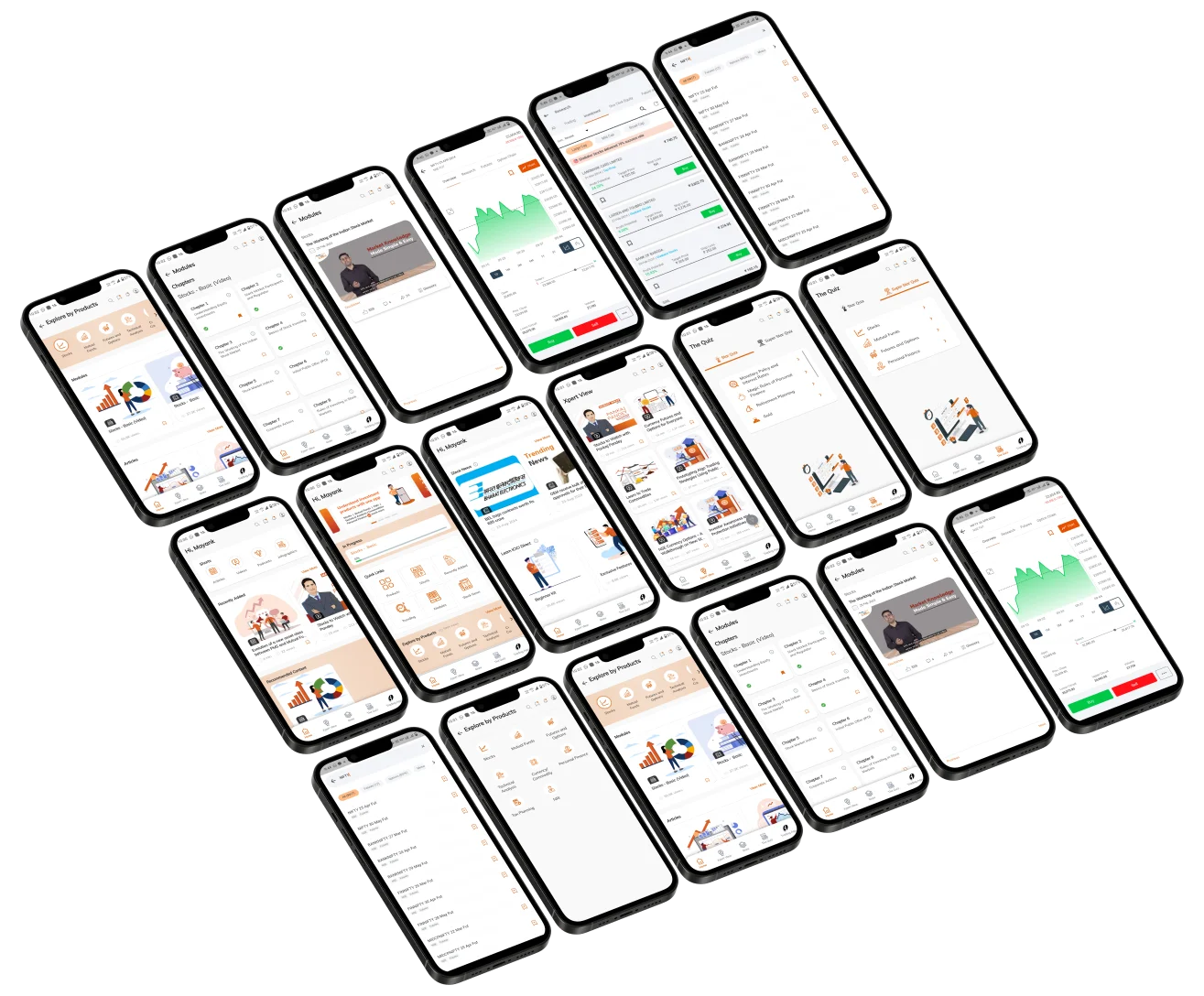
Elevate Your Financial Knowledge with the
ICICI Direct iLearn App
Elevate Your Financial Knowledge with the
ICICI Direct iLearn App
