


-202610121017596081271.jpg)


Download
iLearn application
Elevate Your Financial Knowledge with the
ICICI Direct iLearn App




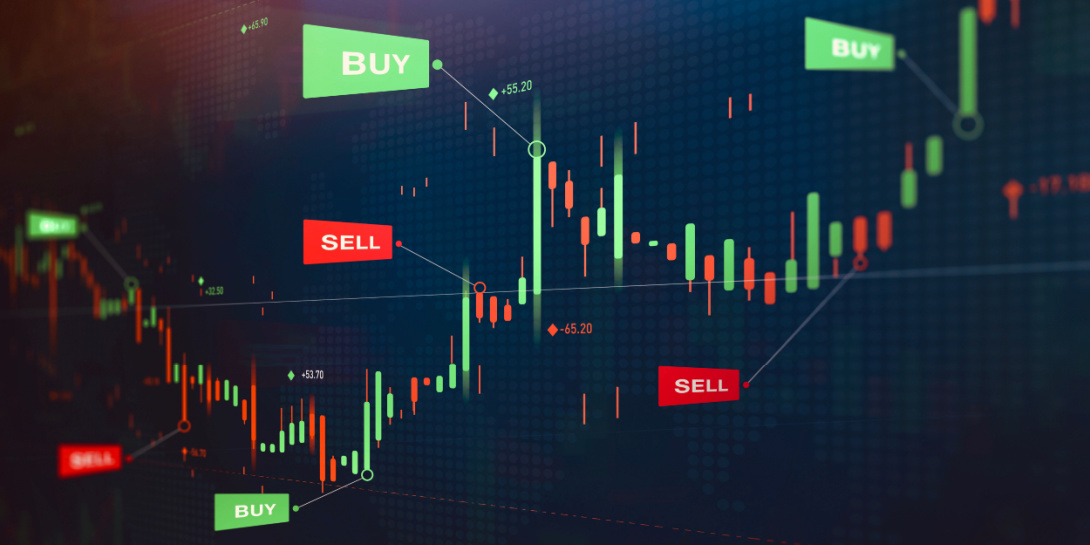
Options trading allows the buyer to buy or sell the underlying securities at a predetermined strike price stated in the agreement before the expiry date. The strike price reflects the cost of the shares. Therefore, investors acquire call options as part of a bullish strategy, aiming for the asset's price to rise and close slightly above the strike price well before the expiration date to realize potential gains.
Options trading offers various strategies and positions, and one such term commonly used is the In-The-Money (ITM) Call Option. Traders and investors need to understand this concept thoroughly to make informed decisions in the financial markets. Let&rsquo's explore the various aspects of the ITM Call Option and help you understand this key concept.
In options trading, an In-The-Money (ITM) Call Option represents a scenario where the current market price of the underlying asset exceeds the strike price of the call option. To clarify, for a call option to be considered 'In-The-Money,' the prevailing market price of the asset must surpass the predetermined strike price of the option.
For instance, suppose a stock is trading at Rs. 60 in the market, and a call option has a strike price of Rs. 50. In this case, the call option is 'In-The-Money' by Rs. 10 (Rs. 60 – Rs. 50).
In-the-money (ITM) Call Options present traders with several advantages, such as intrinsic value, reduced risk, leverage, and stability during market volatility. However, these benefits come with certain disadvantages, including higher premiums, limited upside potential, susceptibility to time decay, and a higher breakeven point.
Investors and traders getting into options trading, particularly with ITM call options, should carefully consider these pros and cons. Understanding the dynamics of ITM call options can empower investors to make informed decisions aligned with their investment objectives and risk appetite in the dynamic landscape of the financial markets.


Copper is a widely used base metal known for its electrical and thermal conductivity, strength, ductility and corrosion resistance. It is used across electrical wiring, construction, machinery, power infrastructure and several industrial applications.
 272 views
 2 minutes
 09 Oct 2026
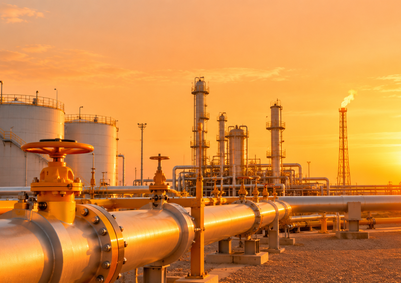
Natural Gas is a widely traded energy commodity used for electricity generation, industrial activity, heating and other applications. Its prices can react sharply to weather, supply and demand, inventories, global energy markets and geopolitical developments.
473 views
1 minutes
30 Sep 2026
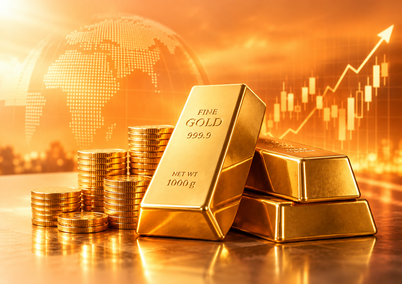
Gold is more than a precious metal. It is a safe-haven asset, investment avenue, central-bank reserve asset and industrial commodity. For a commodity trader, understanding both Gold's fundamentals and the contract being traded is important.
590 views
3 minutes
23 Sep 2026
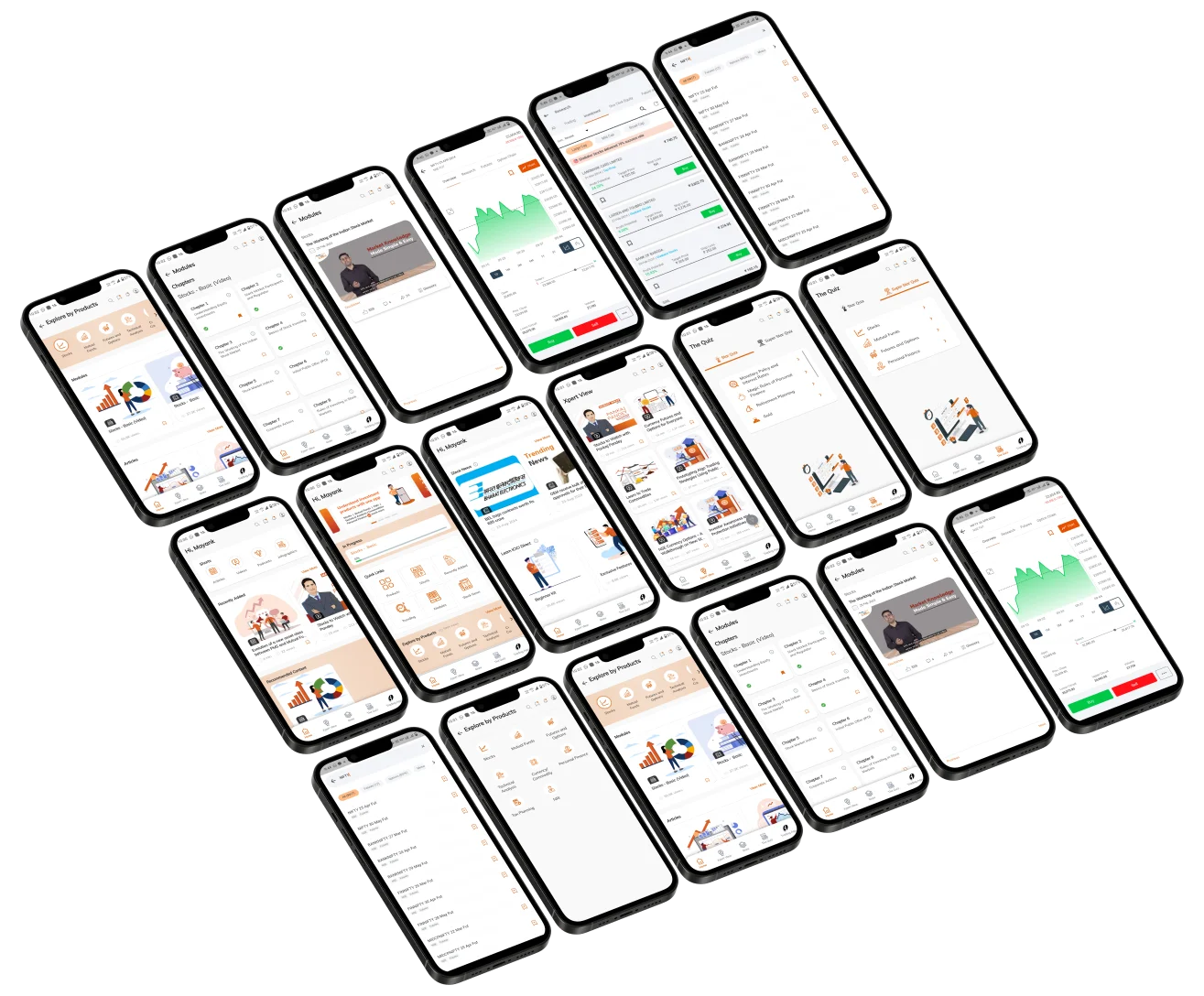
Elevate Your Financial Knowledge with the
ICICI Direct iLearn App
Elevate Your Financial Knowledge with the
ICICI Direct iLearn App
