







Download
iLearn application
Elevate Your Financial Knowledge with the
ICICI Direct iLearn App





Intraday trading or day trades are proving to be an excellent avenue for investors to crack quick profits by way of reading the markets correctly. Intraday margin is an inherent and important aspect of day trading that you need to grasp.
Margin trading is a means by which you can put forward a leveraged trade in the stock market. In simple words, it is a functionality in intraday trading wherein you can buy more stocks than you can afford by your own investment capital, through borrowing money from your stockbroker. Intraday trading margin provides you with an opportunity to amplify your returns because you will be able to take trading positions in higher portfolio value than you could have earlier afforded through just your own money.
Now that you have understood the basic concept of intraday margin, let’s understand why intraday trading margin can be thought of as a double-edged sword. Day traders indulge in day-trading margin as a means to participate in high value trades and amplify returns. However, it is important to maintain a balance when putting across a levered trade. If the market moves in your favour, you are bound to reap exceptional benefits of having utilised a margin trade; but the opposite is also possible. Say, you have Rs 10,000 to invest in a trade and you are being offered a 10x margin trade rate by your broker. In simple words, with only Rs 10,000 to invest, by engaging in day-trading margin, you can participate in a trade with a value of Rs 1,00,000. If you do end up taking up the margin offer and the market moves against your speculation, you will be left with a much higher loss than you could have ended up with if you had relied solely on your own capital investment of Rs 10,000. This simplistic example should be able to drive home the fact that margin trading can be thought of as both a curse and a blessing and should be dealt with caution.
Additional Read: Five suggestions for intraday trading
When you are looking to engage in trading, it is important to stay abreast with the technical jargons. These could sound intimidating at first, but once you understand the meaning, these terms will only lend support during your trading endeavours. Some of the common terms relating to intraday margin are:
Minimum margin: Your broker may offer you the option to indulge yourself in intraday trading margin, but he/she would also want to safeguard the money they let you borrow with some security. Minimum margin is the upfront cash amount that you need to pay your broker, when you place a request to open a margin account with them. This money gets locked and provides a safe amount to the broker which he/she can recover should your trade end up incurring losses and their money is lost.
Initial Margin: It is that specific proportion of the total market value of the trade that you are involved in, that must be paid in cash by you. This amount has to be unlevered, that is, not borrowed. Your broker would let you know of this pre-determined amount of initial margin.
Maintenance Margin: This refers to the amount that you must maintain in your margin account at all times to carry out intraday trades.
Additional Read: Types of equity trading
Margin Call: A margin call, in intraday margin world, can be thought of as a warning call by your broker when your margin account dips below a certain level. To carry out levered trades, there is a statutory requirement to maintain a certain level of amount in your margin account. You, as an investor, must respond to the margin call and maintain the required level of balance by either depositing additional money or selling some securities to bring up the margin account value.
Intraday trading margin is an interesting avenue to conduct trades. However, it should be approached carefully. The rules regarding maintenance of different kinds of margins should be carefully read and adhered to.
Additional Read: Margin trading - Features and benefits
URLs Used for Research
Intraday Margin - Day Trading on Margin Explained | Angel Broking


Gold can react to inflation data, while crude oil may jump after an inventory report or geopolitical disruption.
 355 views
 4 minutes
 21 Jul 2026
Understand how crude oil trading works on MCX and also learn about contract sizes, expiry, trading hours, global benchmarks, price drivers and risks before you trade.
587 views
2 minutes
20 Jul 2026
Learn how to calculate the break-even point in commodity trading by factoring in brokerage, taxes, and other charges
1 k views
1 minutes
01 Jul 2026

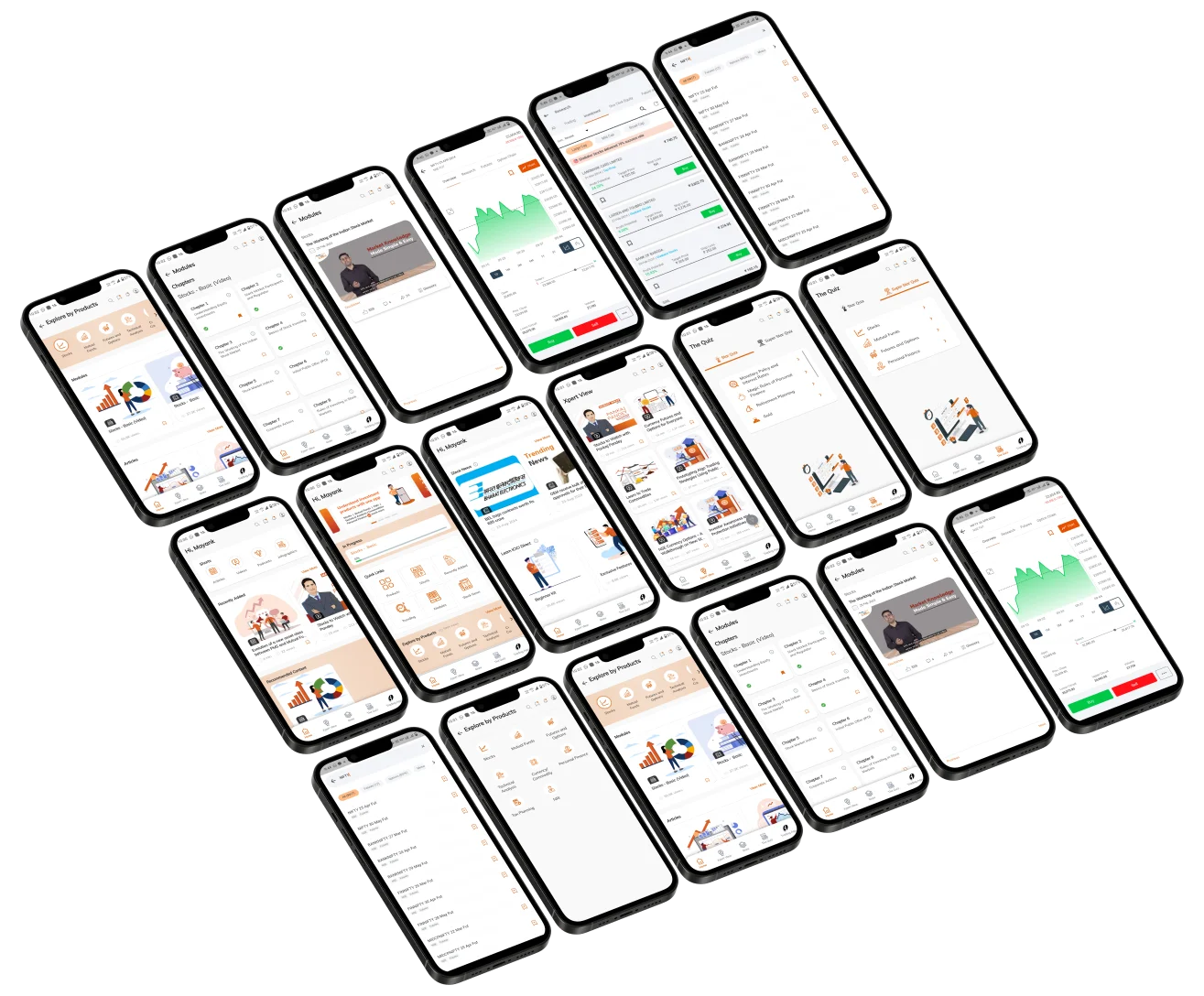
Elevate Your Financial Knowledge with the
ICICI Direct iLearn App
Elevate Your Financial Knowledge with the
ICICI Direct iLearn App
