







Download
iLearn application
Elevate Your Financial Knowledge with the
ICICI Direct iLearn App





Securities trading has caught on with Indians. More and more people are gravitating to investments in a variety of financial instruments like shares, securities, bonds, etc. in the pursuit of potentially significant gains.
In this dynamic landscape, a trading account serves as a gateway for individuals to participate in the markets. However, the excitement to start stock trading alone won’t help. It is necessary to understand a trading account, its purpose, features, and significance before stepping into the world of trading and investing.
A trading account is a specialized account held by a brokerage firm or financial institution that permits an individual or entity to buy and sell financial instruments. It acts as an intermediary platform facilitating transactions in various markets such as stocks, bonds, options, futures, etc.
Unlike a regular bank account, a trading account focuses on securities and requires investors to deposit funds specifically for trading purposes. This segregated account allows individuals to track their investment activities and access market opportunities.
The purpose of a trading account is versatile, catering to various investment approaches such as:
Primarily, a trading account serves as a platform to trade stocks, bonds, and other securities with the ultimate goal of generating profits based on individual preferences and strategies.
Short-term trading or day trading: Spans from minutes to several weeks, carrying higher risk but also higher return potential.
On the other hand, long-term trading extends over several years, involving investors who make informed decisions after extensive research and hold stocks with confidence in their growth potential. Although profits in long-term trading may take longer to materialize, this method is generally considered safer due to its strategic and researched approach.
A trading account grants access to a wide array of financial markets globally. It empowers investors to explore diverse investment options, from stocks and commodities to currencies and derivatives.
Through a trading account, individuals can diversify their investment portfolios. Diversification mitigates risk by spreading investments across different asset classes and industries.
Trading accounts provide the opportunity for investors to generate returns by buying assets at a lower price and selling them at a higher price. This profit potential attracts many individuals to participate in trading activities.
With a trading account, investors have control over their investments. They can monitor their portfolio's performance, execute trades, and make informed decisions based on market analysis and research.
Operating a trading account allows individuals to gain hands-on experience in the financial markets. It serves as a platform for learning about market dynamics, strategies, and investment principles, fostering financial literacy and growth.
Most brokerage firms offer user-friendly online trading platforms accessible via desktops, laptops, or mobile devices. These platforms provide real-time market data, advanced charting tools, and order execution capabilities, enabling traders to make informed decisions.
Trading accounts facilitate the buying and selling of various financial instruments such as stocks, bonds, mutual funds, exchange-traded funds (ETFs), options, futures, and currencies. Investors can diversify their portfolios based on their risk tolerance and investment objectives.
Some trading accounts allow margin trading, enabling investors to borrow funds from the brokerage to increase their buying power. While this magnifies potential profits, it also amplifies risks and requires a deep understanding of leverage.
Brokerage firms often provide research reports, market analysis, and educational resources to assist traders in making informed decisions. These tools aid in technical and fundamental analysis, helping traders strategize their investments.
Trading accounts prioritize security, implementing robust encryption protocols and authentication processes to safeguard users’ sensitive information and funds from cyber threats and unauthorized access.
Opening a trading account involves a few steps:
Research and select a brokerage firm that aligns with your trading goals, considering factors like fees, available markets, trading platforms, customer service, and regulatory compliance.
Fill out the brokerage firm's application form providing personal details, financial information, and identification documents required for verification purposes.
After the account is approved, deposit funds into the trading account using various payment methods offered by the brokerage firm.
Download the trading platform app or access it online using login credentials provided by the brokerage. Familiarise yourself with its features and functionalities.
Start exploring the markets, conducting research, and executing trades based on your investment strategy.
A trading account serves as a bridge connecting individuals to the dynamic world of the financial markets. Its features empower investors to participate in investing in various asset classes while managing risks and pursuing broader objectives. Opening and utilizing a trading account requires a blend of knowledge, research, and strategic decision-making. A trading account is essential for anyone seeking to understand the complexities of trading and investing.


Gold can react to inflation data, while crude oil may jump after an inventory report or geopolitical disruption.
 432 views
 4 minutes
 21 Jul 2026
Understand how crude oil trading works on MCX and also learn about contract sizes, expiry, trading hours, global benchmarks, price drivers and risks before you trade.
647 views
2 minutes
20 Jul 2026
Learn how to calculate the break-even point in commodity trading by factoring in brokerage, taxes, and other charges
1 k views
1 minutes
01 Jul 2026

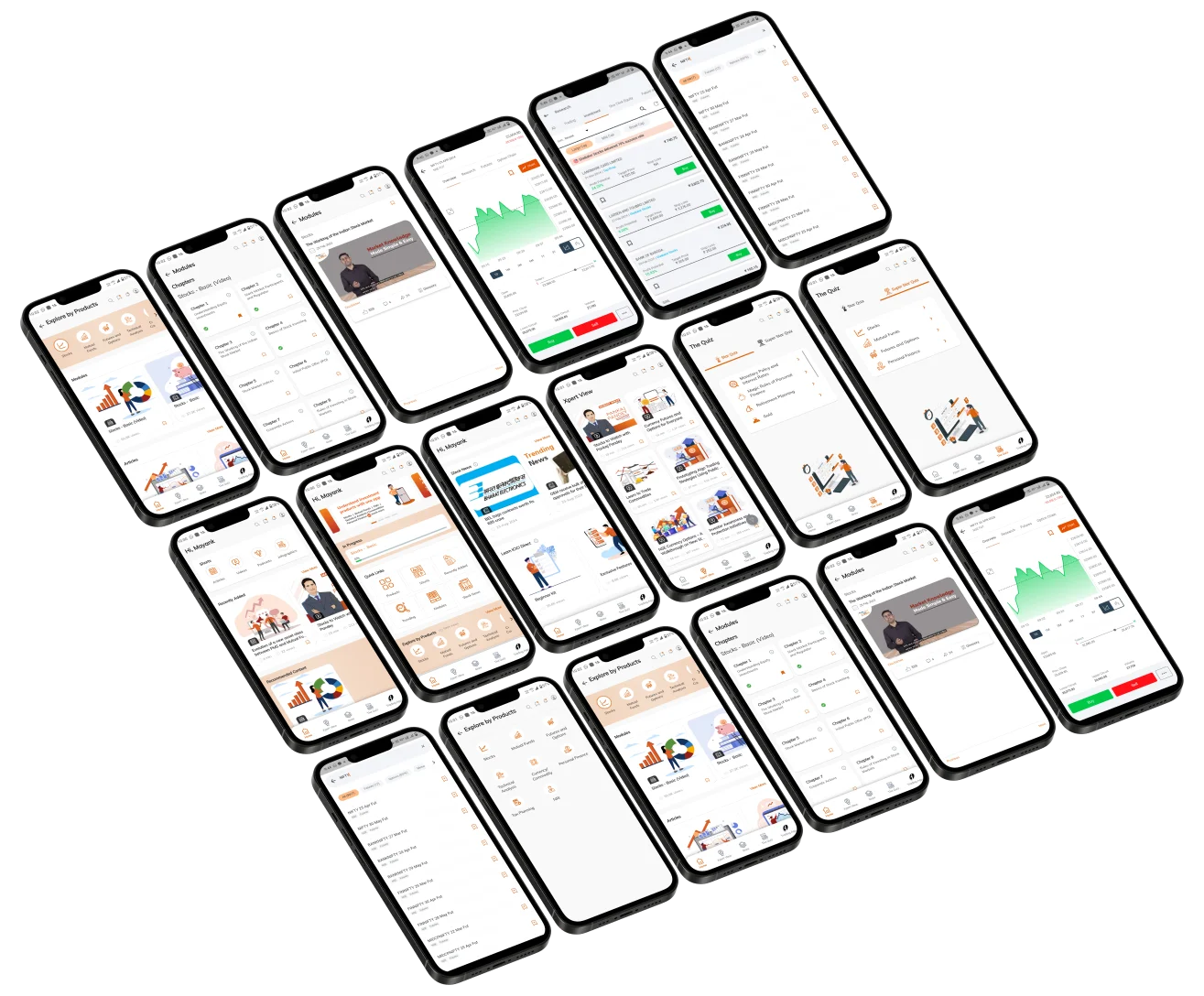
Elevate Your Financial Knowledge with the
ICICI Direct iLearn App
Elevate Your Financial Knowledge with the
ICICI Direct iLearn App
