







Download
iLearn application
Elevate Your Financial Knowledge with the
ICICI Direct iLearn App





Intraday means within the day. As an intraday trader, you close all your trades on the same day. You can use several strategies and techniques to profit from this kind of trade. Click here to watch a short video on the differences between investing and intraday trading.
An open position is a trade that has started but not yet been closed with an opposing trade. For instance, say you buy 100 shares of a company at the start of the trading day. When the market closes, 100 shares of the same company should have been sold. If they haven’t, it is still an open position. As an intraday trader, all your open positions should be squared off before the market closes for trading. In the event that this does not happen, the broker will do it and charge you for it. These charges are known as square-off charges. In intraday trading, you can control when to trade your shares or the trade’s timing, to achieve maximum profit.
But if you do not square-off your transactions by the end of the trading day, your shares will be automatically squared off by your broker. Brokers have an auto square-off time before the market closes. At and after this time, you will not be able to modify your orders. The market closes at 3:30 pm, and most brokers set the square-off time between 3:15 pm and 3:20 pm.
With this, all your pending orders will be cancelled after 3:20 pm. Owing to market volatility, sometimes the square-off time can be preponed or postponed by the brokerage’s risk management team. This can also result in losses for you.
Brokers charge a fee for automatically squaring-off your open positions. For instance, say you placed a buy order that was executed, and also placed a sell order to close the position. However, there were no bids for your offer price. If your order is still pending at the square-off time, the broker will cancel the order and square-off your position. Brokers have varying square-off charges. You should read the terms and conditions carefully before agreeing to these. Click here to view brokerage charges for intraday trading.
As an intraday trader, you could avoid incurring these extra charges. It may be more prudent to close all your open positions much before the market closes to avoid bearing substantial losses.


Gold is more than a precious metal. It is a safe-haven asset, investment avenue, central-bank reserve asset and industrial commodity. For a commodity trader, understanding both Gold's fundamentals and the contract being traded is important.
 141 views
 3 minutes
 23 Sep 2026
Gold is one of the world's most actively traded precious metals and is widely used for investment, jewellery and industrial applications. It is also considered a safe-haven asset during periods of economic or market uncertainty.
499 views
3 minutes
07 Sep 2026
In this article, we’ll explore the three exchanges that matter most: NYMEX, COMEX, and the London Metal Exchange (LME) and their link with MCX.
663 views
1 minutes
31 Aug 2026
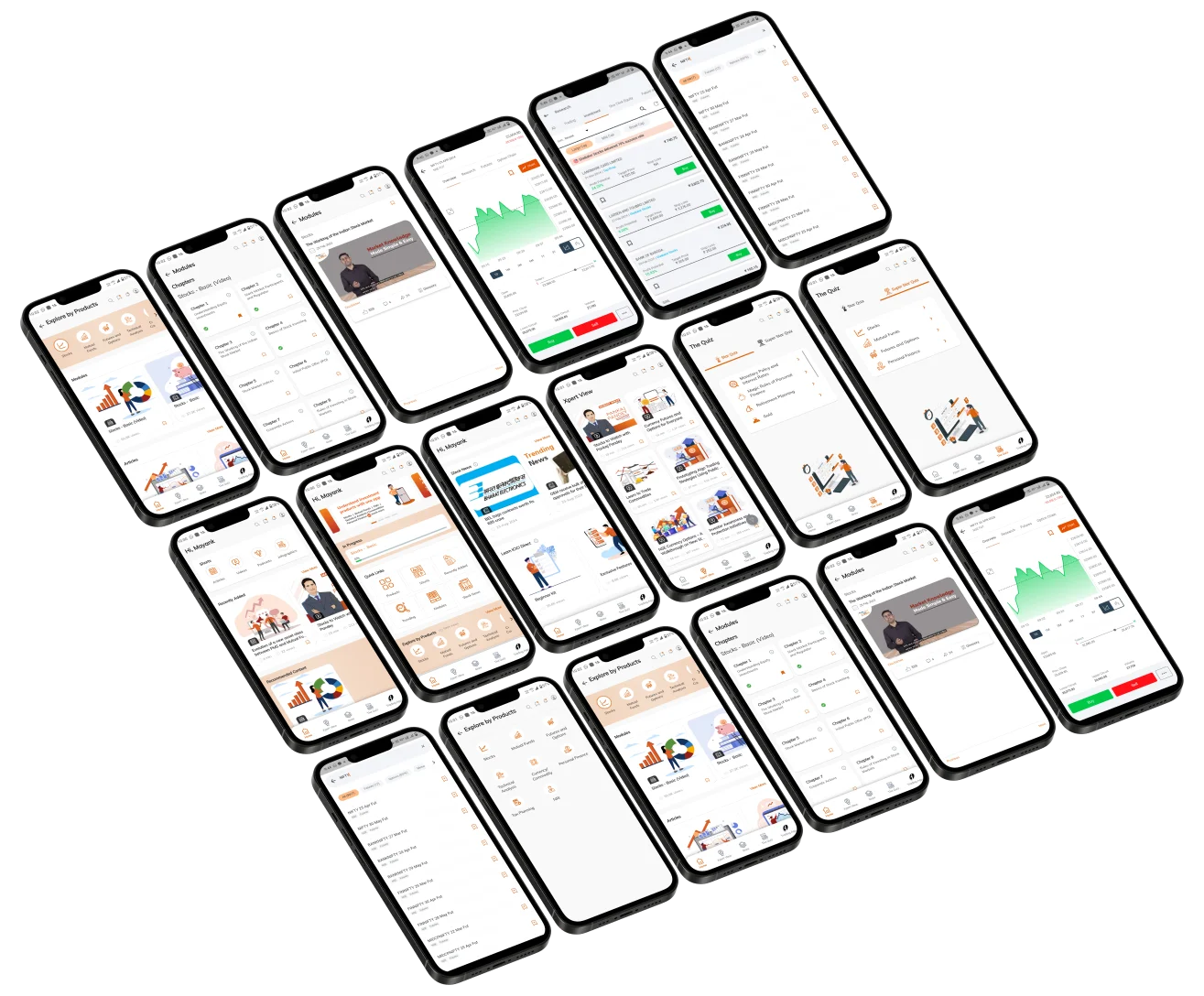
Elevate Your Financial Knowledge with the
ICICI Direct iLearn App
Elevate Your Financial Knowledge with the
ICICI Direct iLearn App
