







Download
iLearn application
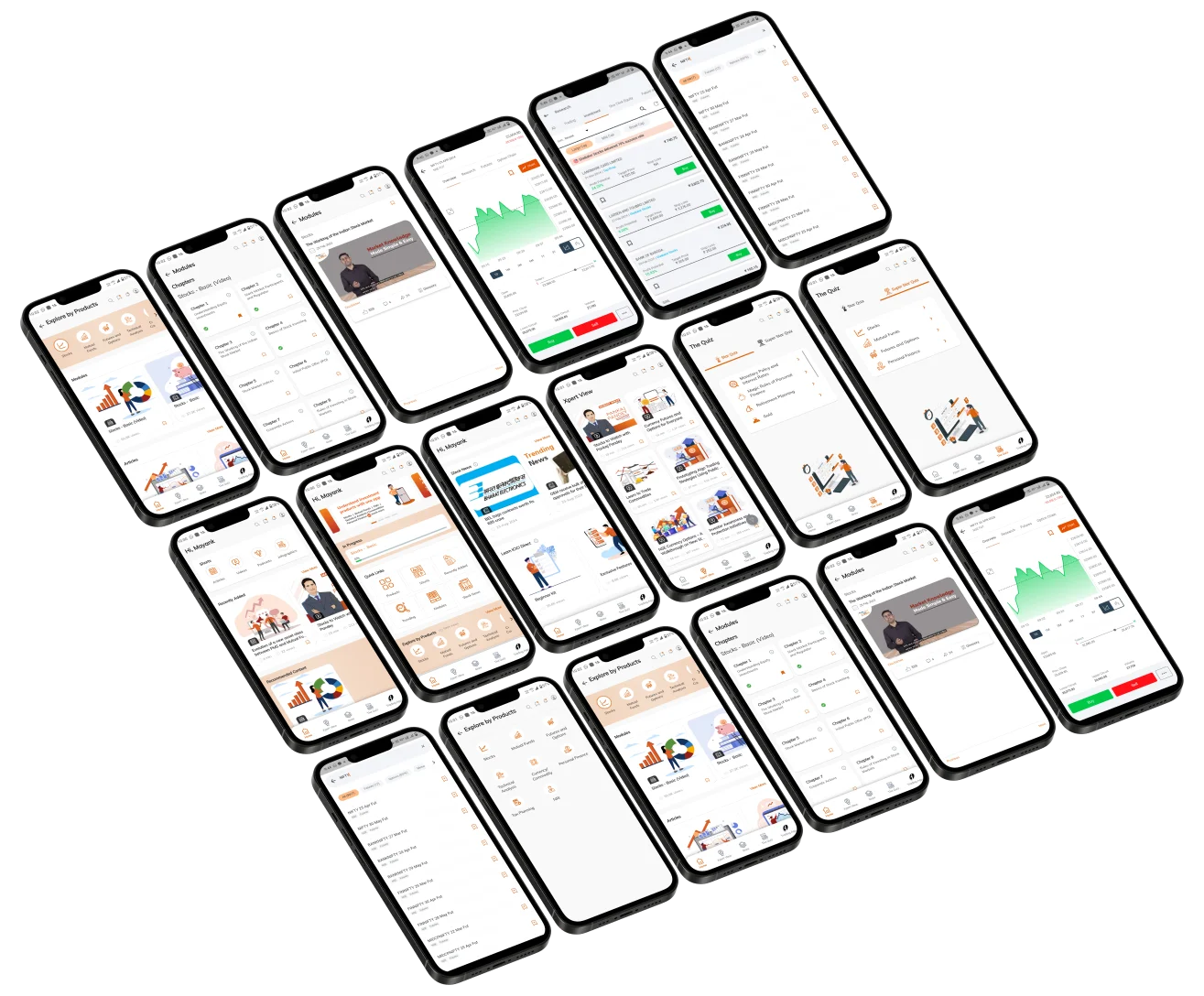
Elevate Your Financial Knowledge with the
ICICI Direct iLearn App





A settlement holiday has been declared, on Monday, 16th September 2024, in observance of Id-e-Milad. This will impact trading and settlement processes for all transactions executed in the equity and derivative segments on 13th and 16th of September 2024.
But what exactly is a settlement holiday, and how does it affect your trading activity?
A settlement holiday is a day when market depositories (NSDL and CDSL) do not process the clearance and settlement of trades. While trading activities may still occur on a settlement holiday as exchanges (NSE and BSE) are open, the actual exchange of money for securities (settlement) are only processed on the next working day.
Settlement holidays can impact both your buying and selling strategies, especially if you're dealing with Delivery (Cash) or Margin Trading Facility (MTF) transactions.
For example - If you buy shares on a Friday, 13th September, expecting to sell them on Monday, 16th September to capitalize on a price rise, the holiday means you can’t sell until Tuesday, 17th September. Being aware of settlement holidays helps you adjust your trading plans and avoid potential disruptions.
Due to the settlement holiday on Id-e-Milad, some trading operations will be affected. Here's a breakdown of what you need to know:
All trades placed on Friday, 13th September and Monday, 16th September in both the Equity and Derivative segments will be settled on Tuesday, 17th September. This means that you won’t be able to sell any of the securities bought on these dates until the settlement process is completed the next day.
|
Product |
Shares Bought On |
Selling Allowed On |
|
Delivery |
13th September 2024 |
17th September 2024 |
|
MTF |
13th September 2024 |
18th September 2024 |
|
MTF |
16th September 2024 |
18th September 2024 |
If you're an active trader or an investor using the Delivery or Margin Trading Facility (MTF), it's essential to be mindful of this delay and plan your trades accordingly.


Explore the meaning of a mainboard IPO, SEBI's eligibility routes, NSE and BSE listing rules, key benefits, and the checks investors should make before applying.
 988 views
 4 minutes
 13 Aug 2026
Commodity prices don't move in isolation. Along with demand-supply dynamics and geopolitical events, one global indicator that often influences commodity prices is the US Dollar Index (DXY).
1 k views
3 minutes
11 Aug 2026
Gold can react to inflation data, while crude oil may jump after an inventory report or geopolitical disruption.
961 views
4 minutes
21 Jul 2026
Elevate Your Financial Knowledge with the
ICICI Direct iLearn App
Elevate Your Financial Knowledge with the
ICICI Direct iLearn App
