




Download
iLearn application
Elevate Your Financial Knowledge with the
ICICI Direct iLearn App




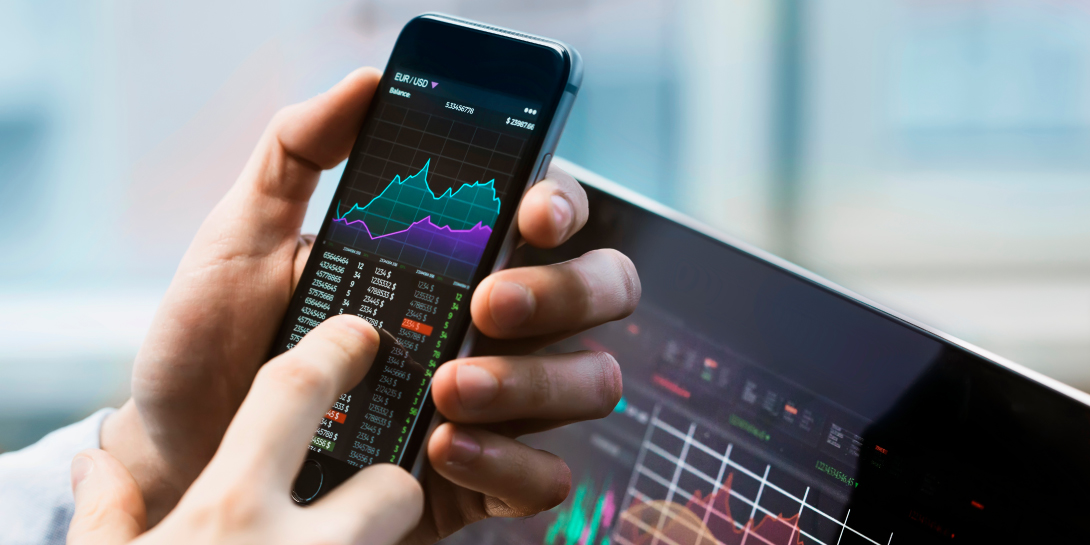
An equity market is a platform for trading shares or stocks of publicly listed companies. It provides a space where buyers and sellers come together to trade shares in a transparent and regulated manner. Equity markets play a crucial role in the economy as they help companies raise capital and provide investors with an opportunity to invest as well as benefit from the future growth of these companies. The equity market is also commonly known as the stock market or the share market.
India has two major stock exchanges, the National Stock Exchange (NSE) and the Bombay Stock Exchange (BSE), that facilitate the trading of shares and other securities. Equities are the most traded segment on these exchanges. The NSE was established in 1992 and is the largest stock exchange in India in terms of market capitalisation. The BSE, on the other hand, was established in 1875 and is the oldest stock exchange in Asia. The Indian equity market is regulated by the Securities & Exchange Board of India (SEBI).
Equities are traded in two forms, i.e., spot or cash market and futures market. Trades in the spot market result in the immediate delivery of shares, whereas in the futures market, these transactions take place on a predetermined future date.
A growing economy and the increasing number of companies going public have bolstered the Indian equity market significantly in the last few years. The equity market has also become more accessible to retail investors due to the proliferation of online trading platforms and a greater flow of information. Stockbrokers registered with SEBI are the interface between retail investors and the equity market.
There are two types of equity markets – primary and secondary:
Trading in the equity market can be done through a registered stockbroker or an online trading platform. Investors can not only buy the shares of companies they believe have good growth potential, but they can also sell those shares when the price increases. However, trading in the equity market involves risks, and investors should be well aware of them before pumping in money. One of the biggest risks in the equity market is the volatility of the shares. Share prices can fluctuate rapidly due to various factors such as management actions, macroeconomic developments, policy changes, geopolitical events, etc.
Trading in the equity markets essentially comprises three activities:
This is simply the buying and selling of shares that take place through the exchanges. Here buyers choose a purchase price and sellers determine a selling price, which if matched executes that particular trade. It is facilitated by a screen-based trading terminal that is hosted by the SEBI-registered stockbroker. Stockbroking firms charge a commission known as a brokerage for providing these services to investors.
As is with every investment, the equity markets also have associated risks in the form of volatility and liquidity. Trading terminals and stockbrokers ensure that any lapses or vulnerabilities are communicated to the users in time such that the process of trading does not cause any untoward losses. The rules laid down by the governing bodies are also implemented in the trading terminals to enforce the same level of precaution for every investor.
Each trade in the stock market has to be settled once the trading session ends. Indian markets now follow the T+1 (Trade + 1) settlement cycle, which means that the trades are settled a day after they are executed.
Indian markets operate in a fixed window, i.e., from 9:15 am to 3:30 pm from Monday to Friday. On weekends, no trading happens and the markets remain closed.
Yes, apart from weekends there are designated holidays that are made available on the exchange’s website for the entire financial year.
As an investor or trader, you simply need a demat account, a trading account, a bank account, and some capital to invest.


Gold is one of the world's most actively traded precious metals and is widely used for investment, jewellery and industrial applications. It is also considered a safe-haven asset during periods of economic or market uncertainty.
 339 views
 3 minutes
 07 Sep 2026
In this article, we’ll explore the three exchanges that matter most: NYMEX, COMEX, and the London Metal Exchange (LME) and their link with MCX.
512 views
1 minutes
31 Aug 2026
Explore the meaning of a mainboard IPO, SEBI's eligibility routes, NSE and BSE listing rules, key benefits, and the checks investors should make before applying.
2 k views
4 minutes
13 Aug 2026
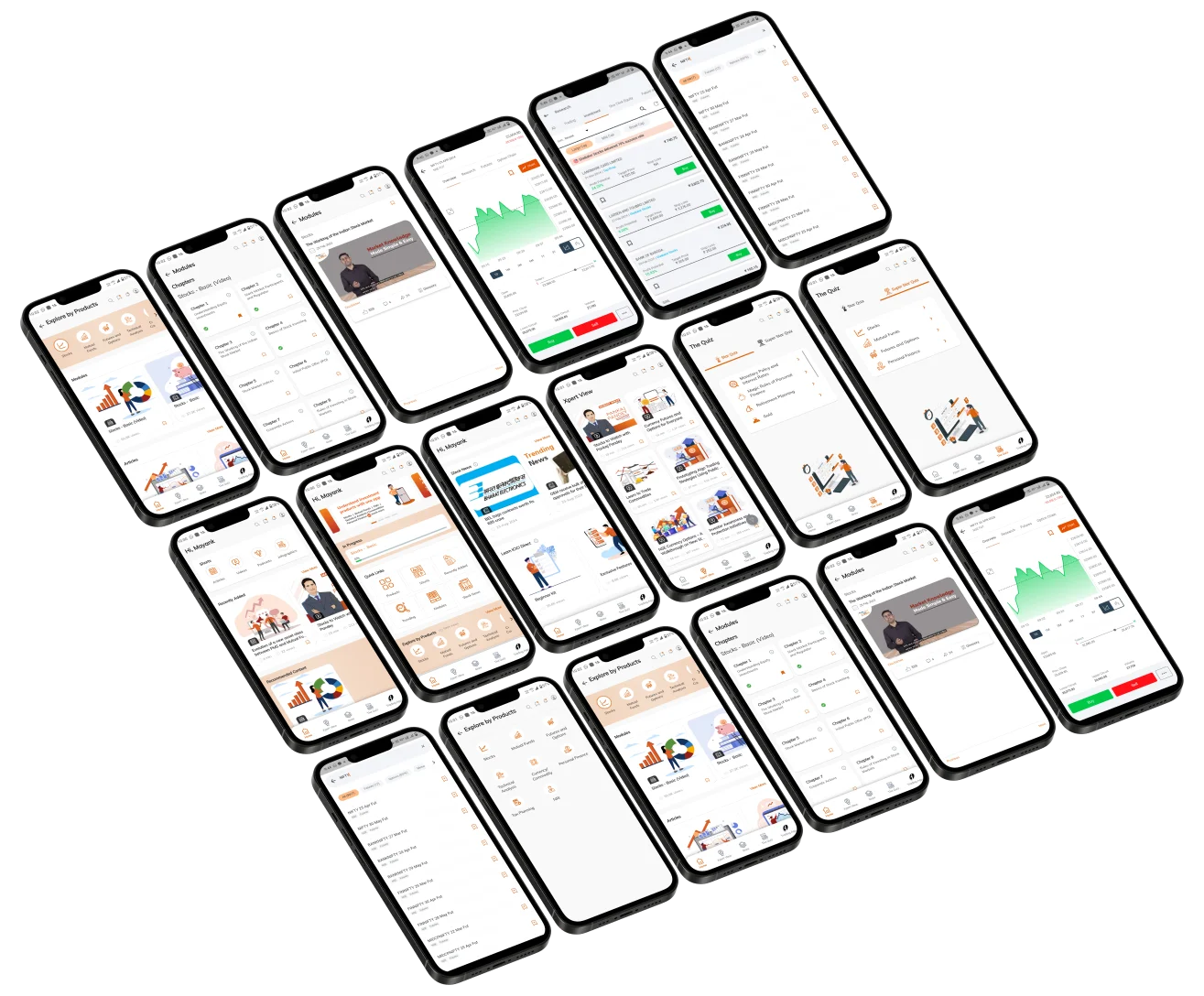
Elevate Your Financial Knowledge with the
ICICI Direct iLearn App
Elevate Your Financial Knowledge with the
ICICI Direct iLearn App
