







Download
iLearn application
Elevate Your Financial Knowledge with the
ICICI Direct iLearn App





Intraday trading can be a challenge if you are a beginner. Though the risks are plenty, there are certain steps you can follow to make the process easier. Let’s have a look at these.
Steps to Start Intraday Trading
The first step to start intraday trading is to find an online stock broker. This broker will provide you with the facility to open a demat and trading account. Earlier, day traders would hold their deals on paper receipts. This was cumbersome, and prone to several glitches. With the introduction of dematerialisation, all stocks and traded securities on the exchange are held in the demat or electronic format. Hence, the need for a demat account to hold all your shares and securities online. The trading account enables you to trade in the stock market.
While choosing an online stock broker, first look at the charges. Some brokers allow you to open a free trading account in a few minutes. This will help cut costs significantly. Choose a broker who offers charting tools, research and analytics to help you with your intraday trading.
As an intraday trader, pick stocks that are being continually traded. This ensures that you have a buyer and seller for that particular stock at all times during the day. If, you are new to trade, you may want to avoid investing in extremely volatile stocks. Try investing in stocks that are correlated to a sector or an index. Here, the performance of the sector or index can give you a better idea of how the stock will perform.
Once you choose these stocks, it is important to monitor and analyse them to check if they follow market trends. You will also need to examine if they rise and fall along with market performance. It is also important to find out which stocks are news-sensitive, and how they react to positive or negative news.
A fundamental rule to follow before starting day trading is to establish your entry and exit strategies.
Timing is the most crucial skill you need to have to decide your entry and exit points. Exiting the market when trends shift may not help you in mitigating losses. You might also lose focus on your next move. Also, you should know when to enter the market. The first half-hour of the trading session is when prices of stocks are most volatile. You need to have patience to enter at an appropriate time.
Additional Read: How Intraday Trading Works?
As a day trader, you should also be aware of the price at which to limit your losses on a stock. This is called your stop-loss level. If you set your stop-loss level to 2% below the price at which you bought the share, this will limit your loss to precisely 2%. For instance, you buy a share of XYZ co for Rs.200 and set the stop-loss order at Rs.180 for that company. Once the share price of the company falls to Rs.180, it will be sold at the prevailing market price. This will limit the magnitude of loss you might suffer if the stock price falls further. The advantage of understanding your stop-loss level is that it can help you stay on track with your strategy for buying or selling that share. This, in turn, would prevent you from suffering further losses. Stop-loss also decides when you should exit the market.
Additional Read: Five suggestions for intraday trading
To become an ace at intraday trading, study the market closely and pick stocks with due diligence. In day trading, even the most seasoned investors are unable to predict markets accurately or make considerable profit in every transaction. An excellent way to get a sure footing in the market and boost your day-trading skills is to take the help of an investment advisor. Also, ensure that you study and use various techniques and strategies to help you set viable and reasonable targets. With these tips, your trading journey will be a smooth one.


Gold can react to inflation data, while crude oil may jump after an inventory report or geopolitical disruption.
 405 views
 4 minutes
 21 Jul 2026
Understand how crude oil trading works on MCX and also learn about contract sizes, expiry, trading hours, global benchmarks, price drivers and risks before you trade.
631 views
2 minutes
20 Jul 2026
Learn how to calculate the break-even point in commodity trading by factoring in brokerage, taxes, and other charges
1 k views
1 minutes
01 Jul 2026

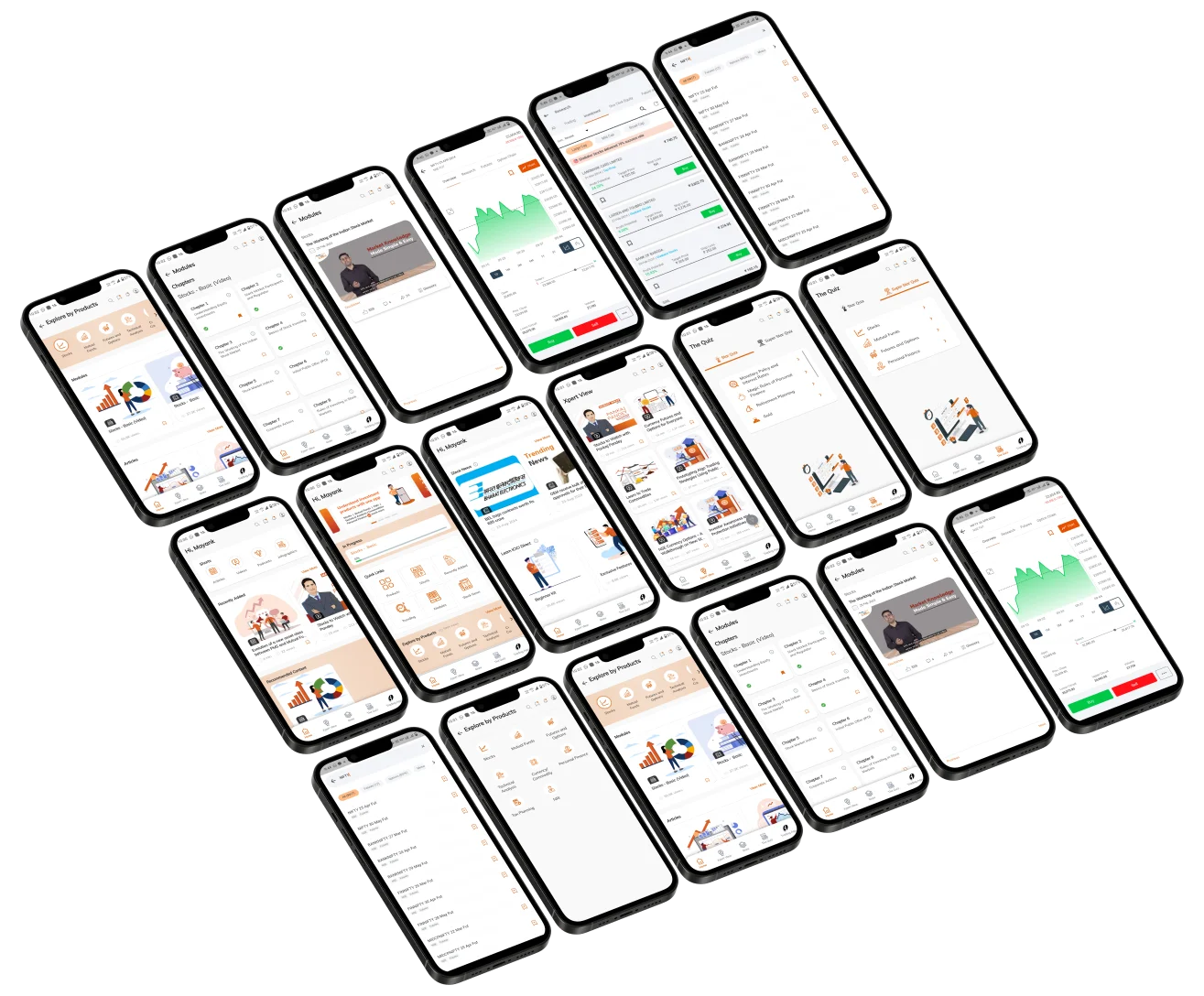
Elevate Your Financial Knowledge with the
ICICI Direct iLearn App
Elevate Your Financial Knowledge with the
ICICI Direct iLearn App
