



-202610121017596081271.jpg)



Download
iLearn application
Elevate Your Financial Knowledge with the
ICICI Direct iLearn App




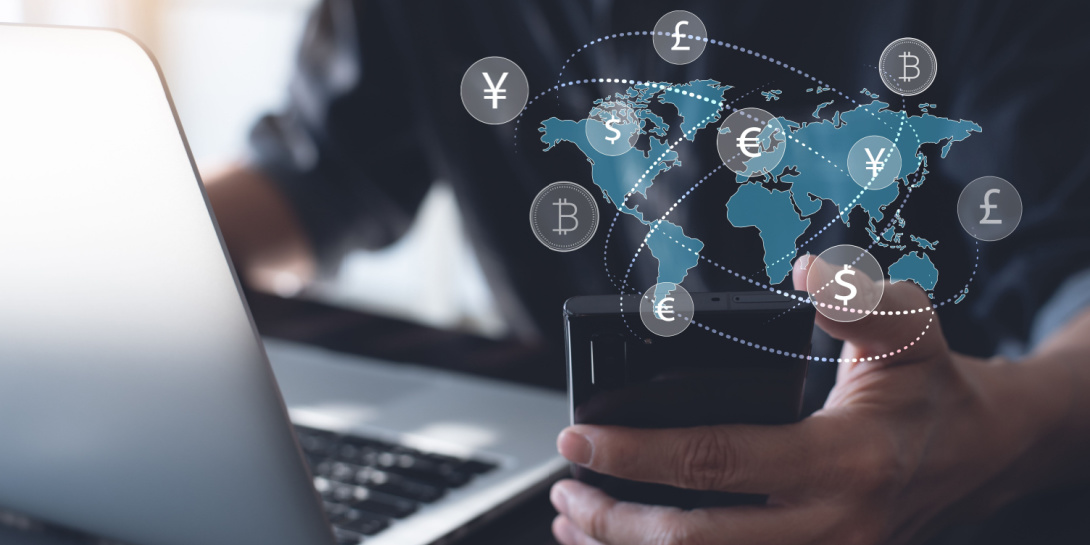
The digital revolution has transformed investing and trading in India. What was once limited to wealthy investors and professional traders is now open to anybody with an internet connection. Online trading provides numerous advantages over traditional in-person trading including convenience, simplicity, and ease of access.
An online trading account allows investors to buy and sell stocks, bonds, mutual funds, and other securities over the Internet. Individuals or institutions can open a trading account with an online brokerage firm to access the broker's trading platform through a website or mobile app.
Additionally, investors can use the platform to get stock quotes, research investment options, analyse charts, place orders, monitor account performance, and manage their portfolio. In this manner, online trading accounts offer convenience, real-time access, low costs, and more control compared to traditional offline brokerage accounts.
The convenience factor is arguably the biggest draw of online trading. Investors can easily open a trading account from the comfort of their homes without visiting a brokerage firm or bank. KYC verification can be completed digitally through video calls, eliminating the need for in-person verification.
Once the account is open, investors have access to real-time stock quotes, charts, analysis tools, and trading platforms. Orders can be placed with just a few clicks either through a website or mobile app. Everything can be done online without having to visit a physical branch or call a broker. This convenience enables investors across India to participate in the financial markets regardless of their location.
Online trading accounts have significantly lower fees and commissions compared to traditional full-service brokerages. Most discount brokers in India charge zero account opening or annual maintenance fees. The only costs are trading commissions and statutory charges like STT and stamp duty.
For example, commissions for online equity trades range from Rs. 10-20 versus Rs. 100-300 charged by offline brokerages. Options, futures, currencies, and other derivatives can be traded online for Rs. 20-50 per contract versus Rs. 150-300 at traditional brokers. Large or active traders can further reduce costs by opting for brokerage plans with unlimited monthly trading or lower flat rates.
The cost savings from lower fees can directly boost investor returns, especially for small and mid-sized portfolios. Therefore, online trading makes investing more affordable for the masses.
Online trading platforms allow investors to monitor their portfolios in real-time throughout market hours. Live stock quotes, index levels, charts and news updates are freely available. Portfolio values are updated continuously as share prices fluctuate.
This enables investors to track profit/loss on existing positions, identify trading opportunities, place orders and review trade confirmations and contract notes. Everything happens in real-time making portfolio monitoring much more convenient compared to calling your broker or waiting for account statements.
In traditional offline trading, investors rely heavily on brokers for information, advice, and order execution. This dependence is removed with online accounts as investors have full control over their trading decisions.
All the tools required for analysis and trading are provided on the platform itself. Investors can find opportunities, study charts, access research reports and place orders independently without broker assistance. This control and flexibility is appreciated by experienced investors.
Online trading transfers more power into investors' hands. They are directly in control of all trading decisions instead of relying on a broker's advice. Investors have quick access to their account statements, funds, and securities rather than waiting for a broker to provide details.
However, managing one’s own trading account requires financial knowledge. Over time, investors can learn technical and fundamental analysis, risk management, trading psychology and portfolio strategies. Learning by doing builds investor competence and confidence.
Online platforms offer a high degree of customisation not found in traditional broking. Investors can customise their dashboards to focus on specific securities, sectors, or information. Alerts can be set for price triggers or events like new 52-week highs/lows.
Advanced charting with indicators, overlays and options are available. Advisory reports, analysis and tools can also be added from third parties. Customisable mobile apps allow seamless access while travelling and the trading experience can be tailored to each investor's unique requirements.
Online trading accounts allow much faster order execution compared to traditional methods. Orders can be placed with a few clicks and get executed almost instantly. Speed is critical for day traders and scalpers who profit from very short-term moves.
Moreover, online accounts remove delays involved in calling brokers and manual order routing systems. Automated order matching ensures efficiency and speed. At the same time, safety is maintained through order limits and expiries. Faster trade execution gives online traders an edge.
The many benefits of online trading have made it the preferred way to trade and invest for Indians. Convenience, cost savings, control and efficiency are driving rapid adoption across Tier 1, 2 and 3 cities. As technology improves further, online trading promises to become even faster and smarter. The traditional brokerage model is facing serious disruption from fintech innovators. For serious investors, there is simply no better option today than trading stocks online.


Understand contango in commodity trading, how futures prices differ from spot prices, and how financing, storage and insurance costs influence commodity pricing.
 139 views
 1 minutes
 19 Oct 2026
Copper is a widely used base metal known for its electrical and thermal conductivity, strength, ductility and corrosion resistance. It is used across electrical wiring, construction, machinery, power infrastructure and several industrial applications.
360 views
2 minutes
09 Oct 2026
Natural Gas is a widely traded energy commodity used for electricity generation, industrial activity, heating and other applications. Its prices can react sharply to weather, supply and demand, inventories, global energy markets and geopolitical developments.
611 views
1 minutes
30 Sep 2026

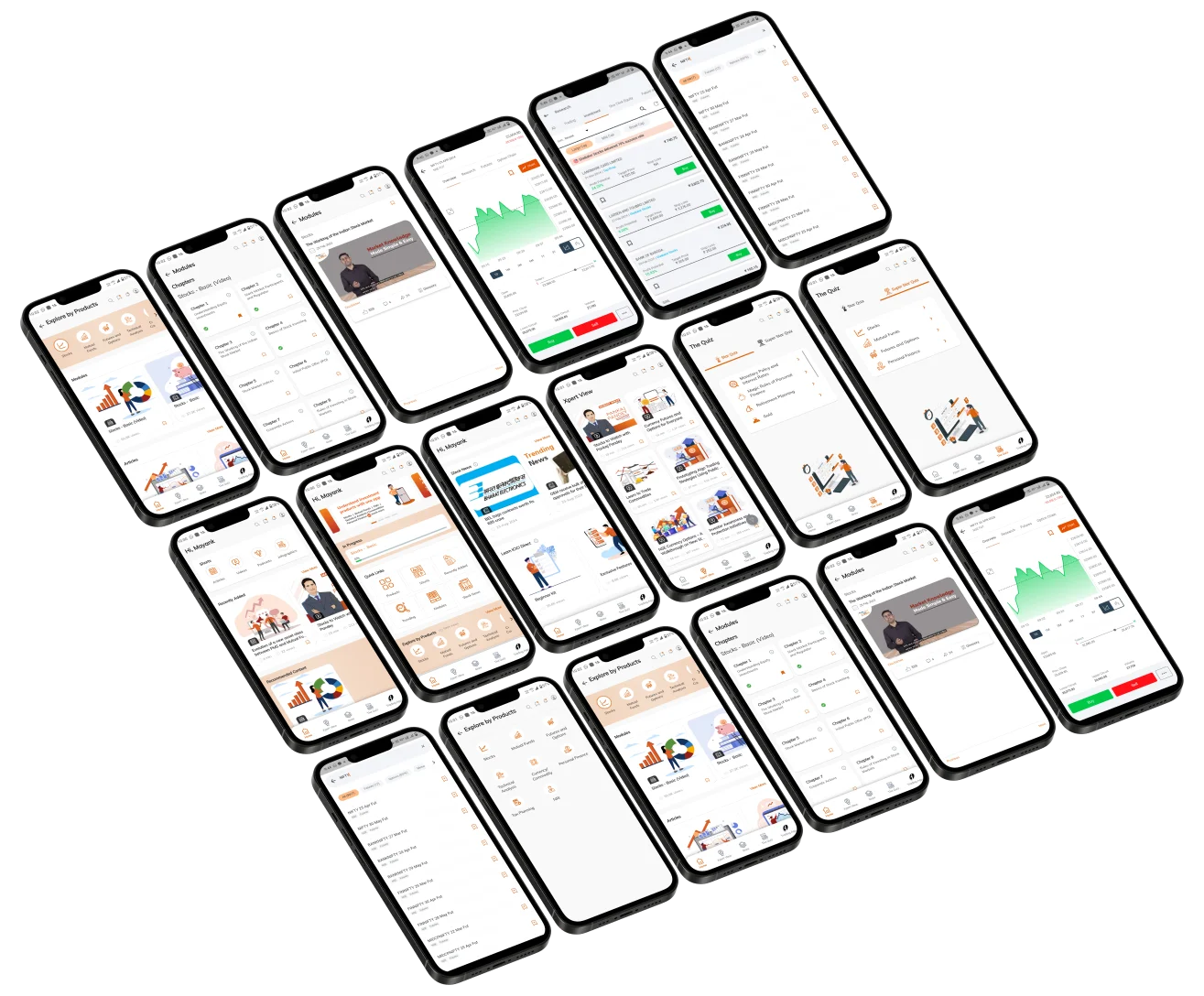
Elevate Your Financial Knowledge with the
ICICI Direct iLearn App
Elevate Your Financial Knowledge with the
ICICI Direct iLearn App
